Best Ankle Braces for Volleyball: Top Picks for Support and Recovery
If you’re seeking reliable ankle protection for volleyball, these five braces offer strong lateral support, secure fits, and stable movement in or out of your shoes. They’re suited for athletes returning from injury, players seeking preventive stabilization, and anyone needing dependable ankle comfort during court play. Below, find product-specific details, who each brace is best for, and practical notes to help you choose.
| Product | Best For | Why It Stands Out |
|---|---|---|
| Med Spec ASO Ankle Stabilizer (Medium, White) | Athletes needing strong, medically recommended support | Figure-8 straps provide secure stabilization that fits in most shoes. |
| Med Spec ASO Ankle Stabilizer (Small, White) | Youth or smaller-foot athletes needing reliable support | Same trusted design in a smaller size for precise fit. |
| Z ATHLETICS Ankle Brace for Women & Men (Lace Up) | Players who want precise, customizable compression | Figure-8 lacing and side stabilizers offer strong control with a slim profile. |
| Med Spec ASO Speed Lacer (Medium, White) | Athletes who value quick, repeatable tightening | Speed-lace system with stable, even compression; easy mid-game adjustments. |
| Active Ankle T2 Ankle Brace (Medium, White) | High-impact sports like volleyball requiring rigid stability | Rigid U-shaped shell minimizes side-to-side movement for maximum protection. |
Med Spec ASO Ankle Stabilizer (Medium, White)
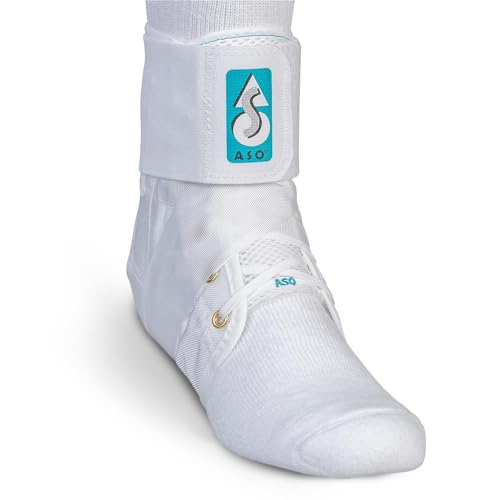
The ASO Ankle Stabilizer uses figure-8 straps to secure the ankle and limit painful twists, a feature widely recommended by athletic trainers. It’s designed to fit in most court shoes, making it a practical choice for volleyball training and games. This medium size is suitable for adult players with average foot width who need consistent support during quick side-to-side movements.
Best for: athletes needing proven stabilization during jumping, landing, and aggressive drills. The brace’s stabilization helps manage chronic ankle instability and supports recovery after sprains. A potential limitation is that the wrap relies on a snug fit; improper sizing can reduce effectiveness, so measure and fit carefully.
Med Spec ASO Ankle Stabilizer (Small, White)
This small-size version mirrors the same trusted stabilization as the medium, ideal for younger athletes, runners with smaller feet, or individuals needing a tighter wrap. The figure-8 straps provide controlled restriction, which helps prevent rolling during volleyball moves, dives, and quick pivots.
Best for: smaller-foot players or youths who require dependable ankle protection without bulk. Caution: ensure the measurement corresponds to the manufacturer’s size chart to avoid an overly loose fit that can reduce support.
Z ATHLETICS Ankle Brace for Women & Men (Lace Up)
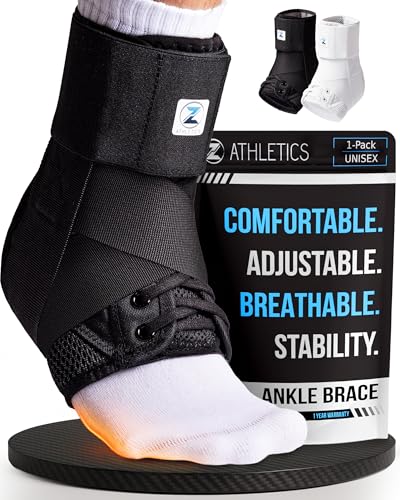
This brace uses a figure-8 lacing system with additional side stabilizers for real-injury support and post-injury rehab. Its slim profile is designed to fit inside most athletic footwear, reducing the need to change shoes for practice or games. It’s a good balance of support and court feel for volleyball players.
Best for: players seeking adjustable compression with a stable, sport-focused design. Avoid: if you need the lightest sleeve-like option; this brace emphasizes stability over minimalism.
Med Spec ASO Speed Lacer (Medium, White)

The Speed Lacer features a quick-pull hook-and-loop closure that tightens evenly in seconds, enabling repeatable compression without re-tying mid-game. The figure-8 stabilization works with the speed-lace system to secure the heel, limiting inversion/eversion while maintaining compatibility with most shoes.
Best for: players who want fast, reliable tightening during practices and tournaments. Limitation: the design assumes a comfortable foot shape for secure hook-and-loop interaction; very tight or very loose adjustments can affect fit during play.
Z ATHLETICS Ankle Brace for Women & Men (Alternative Lace Up)
This brace mirrors the proven design of the lace-up variant with a focus on a secure, repeatable fit that stays in place through fast volleyball movements. It’s a strong pick if you prefer a different color or size option within the Z ATHLETICS line.
Best for: players who want a stable, easy-to-use lace-up system. Caution: ensure the shoe accommodates the lace-up profile without adding bulk that affects fit.
Buying Guide: Key Considerations For Volleyball Ankle Braces
- Purpose: Choose based on whether you need injury prevention, post-injury rehab, or daily training support. Rigid braces provide more stability, while lace-up designs offer adjustable compression.
- Fit and Size: Measure your foot and consult size charts. A snug fit inside your volleyball sneakers is essential for optimal support without restricting movement.
- Compression and Support: Figure-8 straps and side stabilizers deliver lateral control. Speed-lace systems offer quick, repeatable tightening for tournaments.
- Footwear Compatibility: Look for braces designed to fit inside court shoes without requiring a larger size.
- Activity Level: For high-impact courts, prioritize braces with a rigid shell or strong stabilizers; for practice, a lighter option can suffice.
- Material and Comfort: Breathable materials reduce heat and moisture buildup during long matches or sessions.
Frequently Asked Questions
- What is the main benefit of a lace-up ankle brace for volleyball?
It allows precise, repeatable compression and supports the ankle through rapid lateral movements. - Are rigid ankle braces better for volleyball?
They offer stronger stabilization, which can be beneficial for high-risk or recovering injuries, but they may feel bulkier. - Can I wear ankle braces with volleyball shoes?
Yes, most braces are designed to fit inside common volleyball or court shoes. - How do I know if a brace fits properly?
It should feel snug but not restrict circulation or cause numbness; you should be able to flex your foot comfortably. - Should beginners use a brace during play?
Beginners can start with lighter support and progress to more stabilization as needed, especially after guidance from a clinician.