Best Athletic Tape for Hands: Top Selections for Grip and Support
Answering the practical needs of athletes and trainers seeking reliable hand and finger support, this guide highlights five athletic tapes that excel in grip, flexibility, and skin-friendliness. Best for gymnasts and climbers who demand finger protection, for boxers and wrestlers needing joint support, and for rehab or PT scenarios where skin care matters. The following picks balance strong adhesion with easy tearing, residue control, and skin-friendly materials. Review the quick-buying table to compare standout features at a glance.
| Product | Best For | Key Feature |
|---|---|---|
| ADMITRY White Athletic Tape (5 Pack) | General use, joint support | Latex-free cotton, 5 rolls, 1.5″ x 10 yards, breathable |
| Hampton Adams 3-Pack Original Tape | Athletes, trainers | No-itch skin formula, easy tear, strong adhesion |
| COMNICO Finger Tape White | Finger protection, grip training | Soft, durable cotton, ergonomic design, breathable |
| iFwevs 3 Pack White Athletic Tape | Sports therapists, athletes | Easy tear, strong adhesive, latex-free |
| Bighorn Athletics Jiu Jitsu Finger Tape | Finger protection for contact sports | 0.3″ x 45′, residue-free, easy to tear |
ADMITRY White Athletic Tape, 5 Pack

Best for: players and athletes who need skin-friendly, breathable tape with reliable joint support. This latex-free tape uses 100% natural cotton, making it suitable for sensitive skin and long wear. The 5-roll package provides ample supply for frequent training or multiple athletes. Selection rationale: strong basic tape that minimizes tissue stress and supports recovery without sticky residue. Caution: avoid using on broken skin or if latex sensitivity appears, as listed materials are latex-free but keep an eye on any personal sensitivities.
Hampton Adams Original Athletic Tape (3-Pack)

Best for: athletes who want very strong adhesion and easy tearing without residue. This tape is favored by weight lifters, climbers, and boxing enthusiasts for secure wraps that stay in place through tough routines. Selection rationale: claims to be “no glue on your skin” with easy reel and finger-tear capability, which helps quick wrap-and-go scenarios. Caution: some users may prefer a thinner option for fine finger wraps in precision sports.
COMNICO Finger Tape White

Best for: finger-specific protection during climbing, volleyball, or outdoor sports where precise finger motion matters. Selection rationale: soft yet durable cotton with ergonomic design that protects joints while remaining comfortable against skin. Caution: may be thicker for ultra-flexible finger wraps; test for comfort in first use to avoid constriction during dynamic moves.
iFwevs White Athletic Tape (3 Pack)
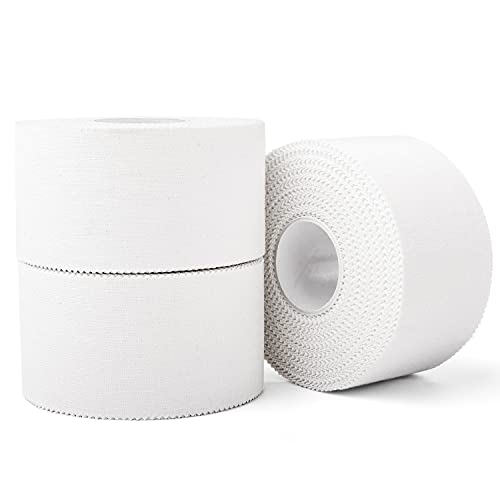
Best for: trainers and athletes who value easy tear and reliable stickiness for quick wraps during practice. Selection rationale: 1.5-inch width, 35-foot length per roll offers stretch without residue, designed for easy handling by hand. Caution: ensure skin is dry before application to maximize adhesion and minimize residue transfer during sweaty sessions.
Bighorn Athletics Jiu Jitsu Finger Tape

Best for: practitioners who need finger protection and consistent wrap behavior in high-contact disciplines. Selection rationale: small 0.3-inch width with 45 feet per roll provides ample coverage while minimizing bulk. Caution: narrow width may require more wraps for certain finger sizes; plan wraps accordingly for full protection.
Buying Guide
What to consider when choosing athletic tape for hands:
- Material and skin compatibility: Latex-free cotton tapes are gentler on sensitive skin. If you have skin sensitivities, verify material lists before buying.
- Width and length: Wider tapes (1.5″) cover more area but may feel bulky; narrower tapes provide precision for fingers and joints. Length per roll affects how many wraps you can perform per session.
- Adhesion and residue: Strong adhesion helps wraps stay in place during workouts, but residue on skin can irritate. Look for residue-free or skin-friendly formulations if you train daily.
- Ease of tearing: Tapes with easy-tear design save time and reduce the need for scissors in fast-paced environments.
- Intended use: Finger-focused tapes suit grip work and finger protection, while broader tapes provide wrist or palm support for general athletic activities.
- Longevity vs. flexibility: Some tapes offer stiff support for joints; others emphasize flexibility for full range of motion. Match to sport demands.
Best practices for application
- Prepare skin: clean and dry the area to maximize adhesion and reduce residue.
- Wrap technique: apply medium tension with even pressure; avoid wrapping over joints with excessive constriction to prevent circulation issues.
- Test fit: move fingers or wrists after initial wrap to ensure comfort and range of motion.
- Maintenance: replace worn wraps to avoid skin irritation and reduced support during activity.
Frequently Asked Questions
- Q: What tape is best for finger protection during climbing? A: A finger-specific tape with a soft, breathable cotton base that offers adequate protection without restricting motion, such as COMNICO or Bighorn finger tapes.
- Q: Can I use athletic tape on skin under sweat-heavy conditions? A: Yes, but consider latex-free options and residues-free formulas; ensure skin is dry before wrapping to improve adhesion.
- Q: How long should an athletic tape wrap last during a training session? A: It depends on activity intensity and sweat; higher-stretch or better-adhesion tapes tend to stay in place longer during rigorous workouts.
- Q: Is there a difference between white and black athletic tapes? A: Color generally reflects branding; performance differences come from material and adhesive chemistry. Choose based on skin compatibility and required visibility for sport rules.
- Q: Should I remove tape immediately after training? A: Remove tape when finished or if it begins to irritate the skin; replace with fresh tape for the next session.
- Q: Are there tapes designed for no-residue removal? A: Some brands emphasize residue-free formulations; check product descriptions for residue claims before purchase.