Best Badminton Racket for Intermediate Players: Top Picks for Steady Progress
If you’re an intermediate player looking to elevate your game, choose a racket that blends control, power, and maneuverability. This guide highlights five well-suited options that balance durability, weight, and sweet-spot size for developing skills. Each pick targets players seeking steadier shot placement, consistent rallying, and comfortable grip at mid-range speeds. Read on to compare what each racket brings to the court and who should choose it.
| Product | Best For | Notes |
|---|---|---|
| Yonex Nanoray Light 18i | Fast swings, speedy clearers | Ultra-light, strong control, great feel |
| Yonex Astrox Lite 27i | All-around play, better control | Slim shaft, enhanced maneuverability |
| Senston N80 Carbon Fiber | Upgraded feel, backyard to intermediate rallies | Balanced, slightly head-light for net play |
| Yonex NanoFlare 1000 Play | Isometric sweet spot, easy touch | Good for developing accuracy |
| Yonex Arcsaber 11 Play | Precision control, consistent placement | Classic Arcsaber feel with fuller cover |
Senston N80 Carbon Fiber Badminton Racket

Best for intermediate players seeking a lighter feel with a responsive frame. Features include a high-modulus carbon fiber frame, a balanced distribution with a slightly head-light profile, and a pre-strung setup that supports versatile shot making. Ideal for players who want quick net play and reliable clears without carrying excessive weight.
Who it’s for: players upgrading from beginner sets who want cleaner control on drives and a faster swing. Why selected: the carbon construction reduces fatigue, while the head-light balance improves maneuverability for mid-court exchanges. Caution: not the strongest option for heavy smashers; expect steadier power rather than brute force.
Yonex NanoFlare 1000 Play Badminton Racquet

Best for players who want a forgiving isometric head and easy maneuverability. The NanoFlare 1000 Play offers a large sweet spot, a light overall weight, and a balanced feel that helps with both control and reach. This makes it suitable for intermediate players building consistency across rallies.
Who it’s for: players refining placement and touch more than raw power. Why selected: the isometric head and light frame enable confident contact on off-center shots. Caution: not ideal for players seeking heavy topspin drives without practice.
Yonex Astrox Lite 27i Graphite

Best for players who want a balanced, easy-to-handle racket with solid control at mid-to-fast speeds. The 27i model uses a slim shaft and Isometric design to maximize swing speed and control through rallies. It supports consistent drives and clear placements while remaining responsive at the net.
Who it’s for: intermediate players transitioning from heavier or basic models who need quicker reactions. Why selected: the design supports smoother transitions between defense and offense. Caution: the overall feel can be on the taut side for players who prefer very soft string beds.
Yonex Nanoray Light 18i Graphite
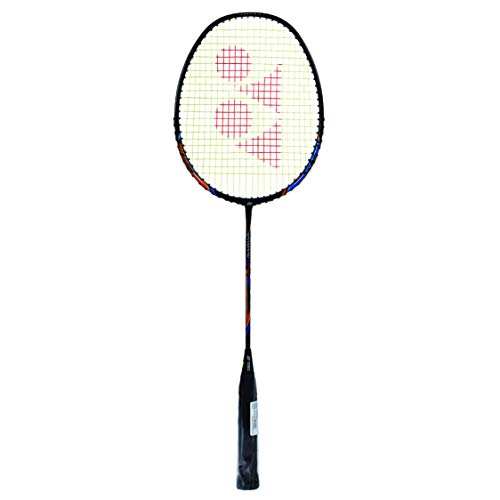
Best for developing pace and footwork with a highly maneuverable frame. At around 77 grams, the Nanoray Light 18i delivers quick handling and strong repulsion via NANOSCIENCE shaft technology. It suits intermediate players who want faster reaction times without sacrificing control.
Who it’s for: players focusing on speed and on-court coverage. Why selected: lightweight frame promotes rapid swings for net play and defensive exchanges. Caution: may feel less powerful on smash-heavy strokes unless you generate momentum with technique.
Buying Guide: Key Considerations For Intermediate Players
What weight range should I aim for?
Intermediate players typically benefit from 80–90 grams for a balance of power and control. Lighter frames increase maneuverability and speed, while heavier frames offer more momentum for powerful shots. Choose a weight that aligns with your swing speed and shoulder comfort.
How does head shape affect play?
Isometric heads provide a larger sweet spot and forgiving contact, which helps with accuracy on off-center hits. Conventional or oval heads can deliver targeted power but require cleaner contact. For intermediate players, an isometric profile often supports steadier progression.
What grip size and balance suit you best?
Grip size affects control and comfort. A mid-range grip that allows easy handling at the net and during rallies is common for intermediates. Balance (head-light, even, or head-heavy) influences maneuverability and power. Head-light is easier for fast exchanges; even balance supports all-around play.
What string tension should I expect?
Pre-strung rackets vary, but a versatile tension around 20–24 pounds is typical for beginners to intermediates. A higher tension yields more control and repulsion, while lower tension increases power and comfort at the cost of some control. Match tension to your playing style and skill level.
Should I prioritize durability or speed?
Durability matters for longer sessions or family play; carbon fiber constructions often offer a balance of stiffness and resilience. If you play fast rallies and require quick reactions, prioritize a lightweight, maneuverable frame with a responsive shaft.
What about accessories and maintenance?
Consider models that come with full racquet covers for protection in transit and storage. Regularly inspect the string bed and grip condition to maintain performance. Re-stringing at the right tension helps sustain power and control as you progress.
Summary: Quick comparison
- Best for fast handling: Nanoray Light 18i and NanoFlare 1000 Play.
- Best for all-around control: Astrox Lite 27i and Arcsaber 11 Play.
- Best for upgraded feel without heavy weight: Senston N80.
FAQ
- Q: What makes an intermediate racket different from a beginner model?
A: Intermediate rackets balance weight, maneuverability, and sweet spot to support more consistent, faster rallies without sacrificing control. - Q: Is it worth choosing an isometric head for progression?
A: Yes, it generally offers a larger sweet spot and easier contact, which helps with accuracy as you develop technique. - Q: Should I upgrade if I’m comfortable with my current racket?
A: Consider upgrading if you want improved control, faster swing speed, or better net play consistency to advance your game. - Q: How important is grip size for performance?
A: Proper grip size fosters precision and reduces fatigue. If you’re between sizes, consult a pro or try both options on court. - Q: How often should I re-string for intermediate play?
A: It depends on play frequency and string type, but many intermediate players re-string every few months or when tension noticeably drops. - Q: Can I mix and match different brands?
A: Mixing is possible, but consistency in weight, balance, and string tension helps maintain predictable performance during progression.