Best Baseball Bats for 7 Year Olds: Easy Swings for Young Players
Answering the question, these bats are ideal for 7-year-olds who are just starting or refining tee-ball and beginner baseball skills. The top picks emphasize light weight, balanced swing, and durable materials to help kids make solid contact. Ideal buyers include parents of new players, coaches seeking affordable youth bats, and guardians who want confidence-inspiring gear for early skill development. Below, five carefully chosen bats are evaluated for quick, practical decisions. A quick summary table follows to compare key details at a glance.
| Product | Length / Drop | Best For |
|---|---|---|
| Rawlings Remix T-Ball Bat | 24″, -12 | Best for entry-level tee-ball players under 7 |
| 26″, -12 | Better for growing players in early leagues | |
| 26″, -12 | Best for beginners needing balanced feel | |
| 24″, -11 | Best for balanced swing and comfort for new hitters | |
| 24″, -12 | Best for smaller-stature kids starting out |
Rawlings Remix T-Ball Bat — 24″ -12

This premium tee-ball bat is designed for entry-level players using soft-core balls. The -12 drop weight and enlarged sweet spot make contact easier for young hitters. Best for: younger kids just learning to swing and connect with the ball. Limitation: the ultra-lightweight design is tailored to beginner use and may feel unaffordable or unnecessary for older or more advanced players shifting to larger balls.
Easton MOXIE Baseball Bat — 26″ -12

This youth bat features a -12 drop weight with a 2-1/4 inch barrel, making it well-suited for younger players in USA Certified Baseball Leagues. The 2.2mm cushioned grip adds comfort, and the ALX100 alloy construction provides durability and balance. Best for: players who need a sturdy, comfortable swing and plan to stay with youth leagues for a while. Caution: taller or stronger players might opt for a longer length as growth continues.
Rawlings 2026 Raptor T-Ball Bat (26″)

Designed for players ages 7 and under who are just starting out, this bat offers a lightweight feel and balanced swing to promote control and confidence. The durable alloy construction withstands consistent use in practice and games. Best for: small-framed beginners who benefit from a shorter, lightweight option. Limitation: 26″ length may be long for some younger players; consider a 24″ model if swing mechanics lag.
Rawlings 2026 Raptor T-Ball Bat (24″)
This 24″ model is built for youth players just starting in tee-ball, delivering a lightweight design and balanced feel to foster confident swinging. Best for: smaller players or those who prefer quicker, easier swings. Limitation: 24″ may be too short for some players who are on the taller side; assess height and reach before choosing.
Rawlings 2026 Raptor T-Ball Bat (25″)
With a 25″ layout, this bat continues the Raptor line’s emphasis on lightweight design and easy handling. Best for: players who need a little more reach without sacrificing control. Limitation: not all 7-year-olds will swing a 25″ bat; verify height and stance for optimal balance.
Victus Vibe Pencil Tee Ball Bat — 24″ -11
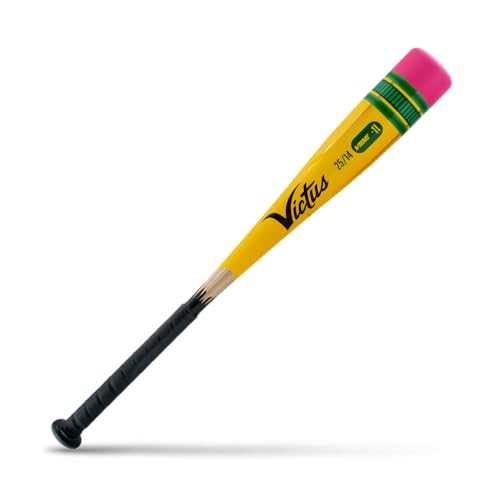
This one-piece aluminum bat uses VXP alloy to deliver a traditional feel and durable performance for tee-ball players. The soft-touch grip enhances control, and the mid-balanced swing weight assists early hitters in learning proper mechanics. Best for: players who want a comfortable, consistent feel during practice. Limitation: the brand is listed as Marucci, which may influence perceived value for some buyers.
Buying Guide
What length should I buy? For most 7-year-olds, 24″ to 26″ bats are a good starting range. Shorter bats improve control, while slightly longer bats offer more reach. Consider the child’s height, reach, and strength.
What drop weight is best? A -12 to -11 drop is common for younger players, balancing swing speed with control. Heavier drops (closer to 0) can be harder to manage for beginners.
What material matters? Aluminum bats tend to be light and durable, making them ideal for beginners. Alloys like ALX100 or VXP provide strong balance and consistent performance.
Grip and comfort: Cushioned grips reduce vibration and improve comfort during swings. A textured grip can help maintain a steady hold through contact.
Durability and maintenance: Choose a bat with a durable end cap and alloy construction to withstand frequent practice. Keep bats dry and store them away from extreme heat to preserve performance.
Age and growth: Plan for growth by selecting a bat length that allows room to grow into the weight while maintaining proper swing mechanics. If in doubt, err on the shorter side and adjust later as needed.
FAQ
- What length should a 7-year-old swing? For most 7-year-olds, 24″ to 26″ is the typical range. Start with the shorter option and move up if the child can swing with good form and contact.
- Is a lighter bat always better for beginners? A lighter bat improves swing speed and control for beginners, but the right drop should still fit the child’s height and strength.
- What is the best material for a tee-ball bat? Aluminum and alloy bats are popular for youth tee-ball due to durability and light weight.
- Should I choose a -12 or -11 drop? -12 is common for younger players; -11 can offer a bit more pop and weight, depending on the child’s strength and swing feel.
- How do I know if a bat is too long? If the child cannot hold the bat comfortably at their side or struggles to make contact while standing straight, the bat is too long.