Best Baseball Bats for Kids: Safe, Lightweight Options for Young Players
Oriented toward entry-level players and young beginners, these kid-friendly baseball bats prioritize light swing weight, safety, and ease of contact. This guide highlights five top choices that help kids build confidence at the plate. The best picks include ultra-light T-ball bats for 7 and under, soft foam toy sets for early development, and beginner-friendly plastic or wood-alternative bats for backyard practice.
Summary Table Of Chosen Products
| Product | Best For | Length | Material/Type | Notes |
|---|---|---|---|---|
| Rawlings Remix T-Ball Bat (24″) | Entry-level T-ball players, ages 7 and under | 24″ | Ultra-lightweight alloy | -12 drop weight, enlarged sweet spot |
| Rawlings Remix T-Ball Bat (25″) | Young tee-ballers needing consistent contact | 25″ | Ultra-lightweight alloy | Better contact for ages 7 and under |
| Aoneky 11.8 Inch Mini Foam Bat | Toddlers 1-3 years, beginner coordination | 11.8″ | Soft foam with hollow core | Lightweight and safe for indoor play |
| CeleMoon 16.5 Inch Mini Foam Bat (Blue) | Toddlers and beginners learning grip | 16.5″ | Soft foam | Includes soft foam balls, indoor/outdoor use |
| Spalding Junior Bat and Ball Set (29″) | Beginner backyard players ages 5+ | 29″ | Plastic bat with 3 soft training balls | Safe, beginner-ready outdoor set |
Below, quickly compare the five options to help you choose the best fit for your child’s age, space, and skill level.
Rawlings Remix T-Ball Bat 24″

The Remix T-ball 24″ is designed for entry-level tee-ball players. Its -12 drop weight and enlarged sweet spot simplify contact for kids just starting to swing. Best for ages 7 and under who need a very light bat for developing hand-eye coordination. A limitation is that this bat is specific to tee balls and soft-core balls, not suitable for heavier pitched baseballs.
Rawlings Remix T-Ball Bat 25″

This 25″ Remix T-ball bat provides a slightly longer reach while keeping the ultra-light feel. It remains best for youth tee-ball players ages 7 and under who want steadier contact with soft-core balls. Choose this if your child benefits from a longer lever while still needing minimal swing effort. Limitation: still optimized for tee-ball use rather than pitched balls.
Aoneky 11.8 Inch Mini Foam Bat Set
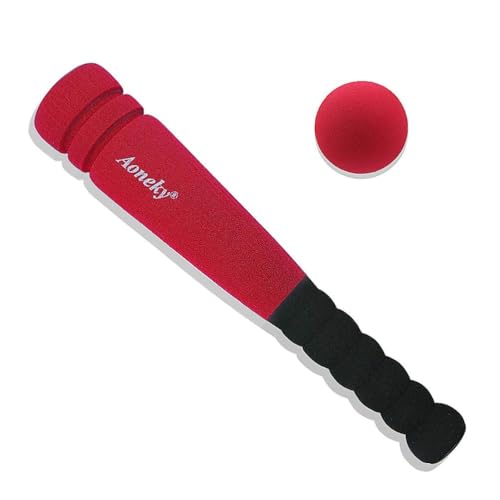
The Aoneky mini foam bat is ideal for toddlers or first-time players ages 1-3. Its hollow-core foam construction reduces risk while building grip and basic swing mechanics. Best for supervised indoor play and early exploration. Caution: too tiny for older kids who quickly outgrow 11.8″ length.
CeleMoon 16.5 Inch Mini Foam Bat Set

This CeleMoon 16.5″ mini foam set is designed for toddlers and beginners learning grip and basic swing. It includes three 2.4″ foam balls and supports safe, indoor/outdoor play. Best for early motor skills development and confidence-building. Limitation: foam materials may wear with aggressive play or rough surfaces.
Spalding Junior Bat And Ball Set (29″)

The Spalding Junior set includes a 29″ bat and three soft training balls, making it suitable for beginner outdoor play. Best for kids starting baseball who can manage a longer reach and want a full backyard practice experience. Better for older beginners who can handle a longer bat; not ideal for younger preschoolers with limited arm strength.
Buying Guide
What to consider when buying the right kid-friendly bat
- Age and height alignment: Match bat length to your child’s height and skill level. Shorter, lighter bats suit toddlers and early walkers; longer bats are better for older kids with more strength.
- Weight and swing effort: Look for bats with low swing weight (often noted as -12 drop or similar) to minimize fatigue and improve contact accuracy.
- Material and safety: Foam or plastic options prioritize safety for indoor play and early learners; metal or composite bats are common for tee-ball and light pitched balls but require supervision for safe use.
- Intended use: Tee-ball, soft-core, or plastic balls require different bat types. Indoor vs. outdoor use also influences material choice and durability.
- Maintenance and durability: Foam bats are safer but wear out with rough use. Plastic bats tend to last longer for outdoor use, while real wood or metal bats demand proper care.
Frequently Asked Questions
- What age should a child start using a T-ball bat? – T-ball bats are designed for entry-level players typically ages 5 to 7 and younger, focusing on light swing weight and larger sweet spots.
- Is foam safer than wood or metal for toddlers? – Yes, foam bats minimize impact risk and are suitable for indoor play and early coordination.
- Should I buy a single bat or a set? – For beginners, a single lightweight bat is common, but sets with accompanying balls can help with practice consistency and confidence.
- What length should I choose for a beginner under 4 feet tall? – A shorter length (around 16” to 22”) is generally easier for very young beginners; assess your child’s reach and grip comfort.
- Are battery- or magnetized bats a thing for kids? – No, not necessary for basic learning; focus on safe, age-appropriate options with soft balls.
- Can these bats be used indoors? – Foam and plastic sets are designed for safe indoor use; metal or wood bats should be reserved for outdoor use under supervision.