Best Baseball Glasses for Youth: Safe, Lightweight Sunglasses for Outdoor Sports
If you’re shopping for youth baseball sunglasses, you want options that protect young eyes, stay secure during play, and stay comfortable all day. This guide highlights five affordable, kid-friendly choices designed for ages roughly 3–16, with features like UV400 or polarized lenses and lightweight frames. Each option is suited to active kids who play baseball, softball, bike, or hike. The selections emphasize protection, comfort, and value, helping you choose the right pair for your child’s sport and daily wear.
Buyer types at a glance:
– Sports-focused parents seeking lightweight, secure fit
– Parents prioritizing UV protection and glare reduction
– Shoppers wanting budget-friendly, multi-pack options
– Guardians who value durable, kid-friendly materials
– Those needing wrap-around designs for wider field of vision
Product Comparison Snapshot
| Product | Key Benefit | Best For |
|---|---|---|
| Kegrimi 3 Pack Kids Sunglasses | HD polarized lenses; ultra-lightweight; 3 color options | Younger kids who need a set for different outfits or activities |
| SEKKAF Youth Baseball Sunglasses (Age 6-12) | UV400 protection; wrap-around design; includes carrying pouch | Active kids needing solid eye coverage and portability |
| DioKiw 5PACK Polarized Kids Sunglasses | Polarized lenses; UV400 protection; multi-pack | Families with multiple kids or frequent outdoor use |
| Foliful Kids Polarized Baseball Sunglasses | Lightweight, flexible frame; UV protection; several colorways | All-day wear for young athletes |
| TURBOPEP 3 Pack Kids Polarized Sunglasses | HD TAC polarized lenses; ultra-lightweight; 3 colors | Budget-conscious buyers needing three pairs |
Kegrimi 3 Pack Kids Sunglasses

Best for younger players who want a variety of colors and a light feel. These sunglasses are designed for ages 3–12 and come in multiple color options. The 20-gram frame reduces fatigue during long practice sessions or weekend tournaments. Lenses are HD polarized to block UVA/UVB rays, aiding comfort on sunny fields. Best to use during outdoor practice, park days, and casual play. Caution: Ensure proper fit for smaller faces to avoid slippage during rapid movements.
SEKKAF Youth Baseball Sunglasses (Age 6-12)

Best for kids aged 6–12 who need robust eye protection for baseball, softball, and cycling. The wrap-around frame design increases the field of vision while shielding from dust and wind. UV400 protection blocks UVA/UVB rays to reduce eye strain during sunny games. Includes a carrying pouch for travel and storage. Caution: Polycarbonate frames are durable but can crack if bent severely; handle with care during rough play.
DioKiw 5PACK Polarized Kids Sunglasses
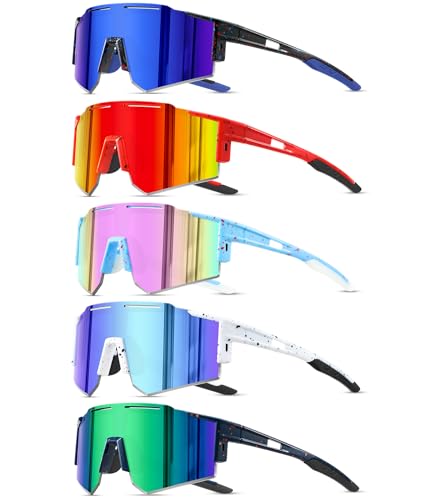
Best for families needing multiple color choices and dependable glare reduction. These sunglasses use polarized lenses with UV400 protection, improving contrast and reducing glare on the field or outdoors. Lightweight construction supports long wear during both practice and games. Caution: The included multiple-pack option means some colors may be less preferred by individual children; consider a color preference check first.
Foliful Kids Polarized Baseball Sunglasses
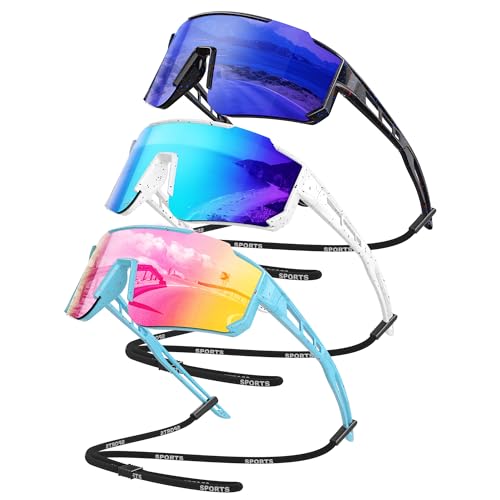
Best for active kids who want stylish frames with reliable UV protection. The lightweight, flexible frame reduces pressure on the ears, and the polarized lenses cut glare for clearer lines of sight during practice and games. Available in several colorways to suit personal style. Caution: Ensure a snug fit as some face shapes may require adjustments for secure wear during intense activity.
TURBOPEP 3 Pack Kids Polarized Sunglasses

Best for budget-conscious families needing value and variety. This three-pack features polarized HD TAC lenses and an ultra-lightweight frame at about 20 grams. Suitable for baseball, biking, and other outdoor sports. Caution: Polarized lenses can be harder to clean if touched frequently; use a microfiber cloth to maintain clarity.
Buying Guide: How To Choose Youth Baseball Sunglasses
What key features should you evaluate?
- UV Protection: Look for UV400 or equivalent to block UVA/UVB rays and protect developing eyes.
- Lens Type: Polarized lenses reduce glare on bright fields and water, improving contrast and comfort.
- Frame Comfort: Lightweight, flexible frames minimize pressure and slipping during runs and dives.
- Fit and Coverage: Wrap-around designs offer broader protection and stay secure during movement.
- Durability: Polycarbonate lenses and tough frames tolerate active use and occasional drops.
- Pack Size: Multi-pack options provide color variety and easier rotation for busy families.
What should I consider for different ages?
Smaller faces may require slimmer frames; parents should check adjustable nose pads or flexible temple tips for a secure fit. For teens who participate in multiple sports, consider a pair with a larger field of vision and better ventilation to prevent fogging.
How to care for kids’ sunglasses?
Clean lenses with a microfiber cloth and mild soap. Store in a protective pouch to prevent scratches. Check fit regularly as children grow and may outgrow their frames within a season.
Are polarized sunglasses always best for sports?
Polarized sunglasses reduce glare, which helps on bright outdoor fields. They may slightly darken images in overcast conditions; if your child plays primarily indoors or in dim light, you may opt for non-polarized lenses for better visibility in low-light settings.
FAQ
- What age range are these sunglasses suitable for? Most models target ages 3–12, with some variants fitting older children up to 16.
- Do these sunglasses provide full UV protection? Yes, most offer UV400 protection to block both UVA and UVB rays.
- Are these sunglasses good for multiple sports? Yes, many are designed for baseball, softball, cycling, running, and outdoor activities.
- Should I buy a multi-pack or a single pair? Multi-packs are cost-effective and provide color options for siblings or daily rotation.
- Is polarization necessary for baseball? Polarization reduces glare from bright sun and reflections, which helps during outdoor practice and games.
- What if the fit isn’t perfect? Look for adjustable or flexible frames and consider a different size or model better suited to your child’s face shape.