Best Bicycles for Fat Guys: Wide-Tire Comfort and Stability for Heavier Riders
Direct answer: choose fat-tire mountain bikes designed for heavier riders, with strong steel frames, wide 4-inch tires, and reliable disc brakes. These bikes offer better balance, traction, and comfort for riders needing extra stability. The top picks below are tailored for tall or heavier riders, focusing on frame strength, tire width, and braking performance. This guide highlights five models and explains who each is best for, plus practical buying considerations.
| Product | Best For | Why It Stands Out |
|---|---|---|
| Mongoose Argus ST Fat Tire Mountain Bike | Average-to-tall riders seeking rugged all-terrain grip | 26″ wheels, 4″ fat tires, steel hardtail frame for toughness |
| Mongoose Dolomite Fat Tire Mountain Bike (Blue/Red) | riders who want versatile off-road capability | 26″ wheels, 4″ tires, adjustable height and disc brakes |
| Mongoose Dolomite Fat Tire Mountain Bike (Light Blue) | Budget-friendly fat-tire option with solid build | 26″ wheels, 4″ tires, alloy rims, dual brakes |
| Mongoose Malus Fat Tire Mountain Bike | Shoppers seeking 7-speed with reliable stopping power | Steep stability, steel frame, front/rear disc brakes |
| Incbruce 26 Inch Fat Tire Mountain Bike | Riders needing wide gearing range and strong braking | 21 speeds, dual mechanical disc brakes, high-carbon steel frame |
Mongoose Argus ST Fat Tire Mountain Bike
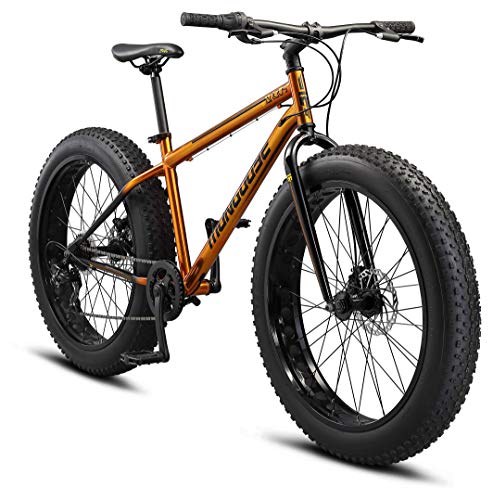
The Argus ST uses 26-inch wheels and 4-inch fat tires to deliver strong traction across snow, sand, mud, and loose gravel. Its steel hardtail frame and rigid fork are designed for durability, making it a solid choice for riders who need a sturdy, low-maintenance setup. Best for riders between approximately 5’7″ and 6’1″ who value control on varied terrain.
Best for: taller or heavier riders who want a tough, all-terrain companion with straightforward maintenance. Why selected: combines a robust steel frame with fat-tire grip for stability on challenging surfaces. Caution: heavier riders should verify seat and handlebar adjustments fit their measurements for comfortable pedaling posture.
Mongoose Dolomite Fat Tire Mountain Bike (Blue/Red)
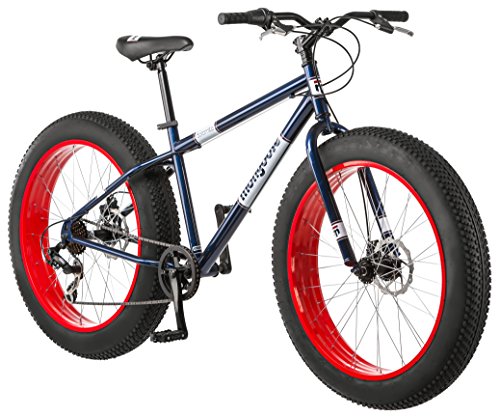
This Dolomite model is built for all-terrain fun and features 26-inch wheels with 4-inch-wide knobby tires. The steel frame provides durability, and the 7-speed setup helps riders manage varied slopes. Best for riders around 5’4″ to 6′ tall who want a versatile, all-purpose fat-tire bike with solid stopping power.
Best for: riders who ride mixed terrain and want reliable braking on both hills and flats. Why selected: strong steel frame with wide tires improves traction. Caution: heavier riders should confirm frame geometry fits comfortably for long rides.
Mongoose Dolomite Fat Tire Mountain Bike (Light Blue)
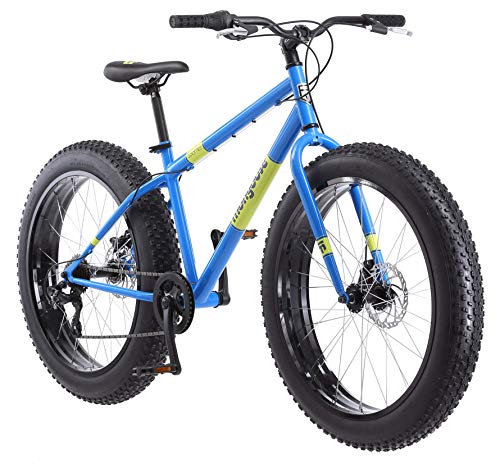
This Dolomite variant also targets riders 5’4″ to 6′ tall, with the same 26-inch wheels and fat tires for solid off-road performance. The threadless headset and alloy rims help keep weight manageable, while mechanical disc brakes provide dependable stopping power. Best for: budget-conscious riders seeking a capable fat-tire bike without sacrificing stability.
Best for: budget-focused buyers needing a dependable fat-tire ride. Why selected: balanced mix of steel frame strength and fat-tire grip. Caution: may be heavier than non-fat-tire bikes; check the fit for long rides.
Mongoose Malus Fat Tire Mountain Bike
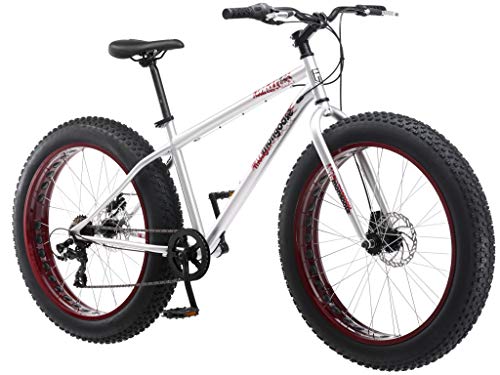
The Malus model emphasizes a stable ride with a 26-inch fat-tire setup and a steel frame. It includes a 7-speed drivetrain and front/rear disc brakes for precise speed control. Best for: riders who want strong stopping power and simple gear changes for casual off-road exploration.
Caution: ensure the frame and wheel size match the rider’s height for comfortable pedaling and neck/shoulder alignment.
Incbruce 26 Inch Fat Tire Mountain Bike

The Incbruce fat-tire MTB offers a 21-speed setup with a high-carbon steel frame and dual mechanical disc brakes. It is designed for all-terrain use and aims to deliver stable control on snow, sand, mud, or urban streets. Best for: riders who want more gear options and strong braking response in varied conditions.
Limitation: the higher number of gears can require more adjustment; verify fit and shifting comfort for daily use.
Outroad Fat Tire Mountain Bike (Black)

Outroad’s fat-tire bike provides 21 speeds and a sturdy high-carbon steel frame, along with front suspension and double disc brakes. It is designed for riders who want a balance of speed and stability on mixed terrain. Best for: riders seeking good all-around performance with front suspension for comfort on rough trails.
Limitation: dual braking and suspension add complexity; regular checks ensure components stay aligned for reliable stopping power.
Outroad Mountain Bike Fat Tire (Black)

This variant emphasizes 21 speeds with a high-carbon steel frame and front suspension, plus double disc brakes for confident stopping power. Best for: riders who want a versatile fat-tire bike that handles city streets and off-road trails with ease.
Limitation: check compatibility of handlebars and saddle height to ensure long rides remain comfortable.
Buying Guide: Key Considerations For Fat-Tire Bicycles
- Frame material and strength: Heavier riders benefit from steel frames or reinforced aluminium with ample gussets. Steel offers durability but adds weight; alloy frames save weight while maintaining strength.
- Tire width and volume: 4-inch tires deliver maximum traction on loose surfaces. Wider tires improve stability but may add rolling resistance on pavement.
- Wheel size: 26-inch wheels are common in fat-tire bikes; ensure the size matches your leg length and riding style for a comfortable stance and pedal stroke.
- Braking system: Disc brakes (mechanical or hydraulic) provide better stopping power in wet or loose conditions. Dual disc brakes add reliability on steep descents.
- Drivetrain: More speeds help tackle varied terrain; a 7- to 21-speed setup broadens options for climbing and cruising. Check ease of shifting and maintenance needs.
- Fit and adjustability: Confirm inseam, standover height, reach, and saddle/handlebar adjustments suit your measurements to avoid strain during rides.
- Intended terrain: If you frequently ride sand, mud, or snow, prioritize traction, stability, and suspension considerations suitable for those surfaces.
FAQ: Fat-Tire Bicycles For Heavier Riders
- What makes fat-tire bikes better for heavier riders?
They offer wider contact patches for stability, greater traction on soft surfaces, and sturdier frames designed to handle additional weight. - Is a steel frame necessary for fat-tire bikes?
Not strictly, but steel frames are often preferred for durability under heavier loads; alloy frames can balance weight and strength. - Do fat-tire bikes require special maintenance?
They require routine checks on brakes, drivetrain, and tire pressure; fatter tires can wear differently and rims may handle more stress. - What should I consider when choosing wheel size?
For comfort, ensure the wheel size aligns with your height and leg length; 26-inch fat tires are common and suitable for many adults. - Are 21-speed bikes better for hills?
More gears help with steep climbs, but ensure you can comfortably shift and that gearing matches your typical riding terrain. - Can fat-tire bikes be used on pavement?
Yes, but expect more rolling resistance; they excel on sand, snow, mud, and loose gravel where traction matters most.