Best Fat Tire Bikes for Adults: Big Wheel Comfort and Off-Road Versatility
When searching for a big-wheel bike for adults, you want models that deliver stability, traction, and performance on diverse terrains. The following five fat-tire bikes are strong picks for riders who value comfort on sand, snow, and rough trails while keeping a practical daily ride feel. They suit beginners seeking confidence, weekend explorers chasing versatility, and taller riders needing sturdy frames. This guide compares top options with clear reasons to choose each one.
| Product | Why It Stands Out | Best For |
|---|---|---|
| Outroad Fat Tire Mountain Bike, 26″ Wheels | 21-speed drivetrain, front suspension, sturdy carbon steel frame | Most versatile for mixed-terrain riding |
| Max4out 26 Inch Fat Tire Mountain Bike, 21-Speed | 4-inch fat tires, robust frame, front suspension for comfort | Heavy riders and rugged trails |
| Incbruce 26 Inch Fat Tire Mountain Bike | 4-inch tires, high-carbon steel frame, dual disc brakes | All-terrain exploration with strong stopping power |
| Mongoose Argus ST Fat Tire Mountain Bike | 26″ wheels, durable steel hardtail, wide tires for grip | Affordability with solid all-terrain capability |
| Outroad Mountain Bike Fat Tire 4-Inch | 21-speed, front suspension, high-carbon steel frame | Comfortable daily-riding plus rough-terrain weekends |
Outroad Fat Tire Mountain Bike With 26” Wheels

Key features include a 21-speed drivetrain for efficient climbing and acceleration, a shock-absorbing front fork, and a high-carbon steel frame designed to resist deformation. This bike is best for riders who want a balance of speed and comfort on mixed trails. A notable limitation is that the weight and build may be heavier than some alloy-frame competitors, impacting nimbleness on very technical paths.
Max4out 26 Inch Fat Tire Mountain Bike

Impressive 4-inch fat tires paired with a 21-speed drivetrain deliver strong grip and climbing ability. The front suspension improves ride quality on uneven surfaces, making long rides more comfortable. Best for heavier riders or riders who frequently encounter loose surfaces. A potential drawback is the overall weight, which may require more effort when lifting or transporting the bike.
Incbruce 26 Inch Fat Tire Mountain Bike

All-terrain conquest with 4-inch tires, a high-carbon steel frame, and dual mechanical disc brakes. The 21-speed setup supports efficient climbing and consistent cadence on varied slopes. Choose this if you want strong braking performance in adverse conditions. Limitation: brake setup may require periodic maintenance to maintain optimal stopping power across terrains.
Mongoose Argus ST Fat Tire Mountain Bike
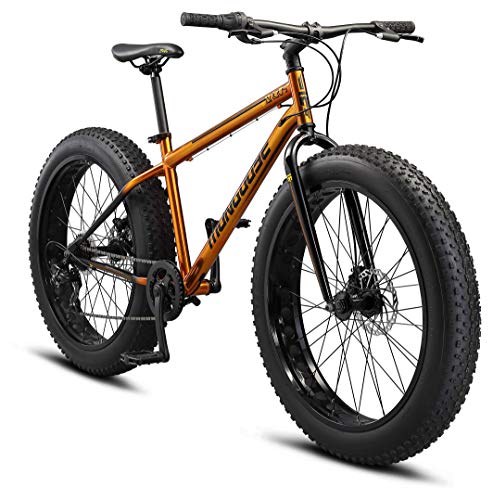
26-inch wheels and a steel hardtail frame deliver durability for all-terrain riding. The four-inch fat tires provide substantial grip on sand, snow, and rough trails, while the 7-speed setup balances speed with control. Best for riders seeking a budget-friendly entry into fat tires with credible off-road capability. Limitation: 7-speed gearing may feel limited on steep climbs compared with higher-count drivetrains.
Outroad Mountain Bike Fat Tire 4-Inch

Features a 21-speed drivetrain and a shock-absorbing front fork with a high-carbon steel frame for durability and comfort. The ergonomic design enhances riding comfort across long sessions and rough surfaces. Best for riders who want a versatile daily rider that can handle occasional off-road adventures. Limitation to monitor: front suspension performance may vary with terrain and rider weight.
Buying Guide
What to look for in a fat tire bike for adults
- Wheel size and tire width: 26″ wheels with 4-inch tires are a common standard for stable handling on uneven surfaces.
- Drivetrain: A 21-speed setup offers broader gearing options for hills and varied terrain, while 7-speed systems may be lighter and simpler.
- Frame material: High-carbon steel frames provide strength and durability but can be heavier; aluminum frames save weight but may be less stiff.
- Brakes: Dual disc brakes provide reliable stopping power in diverse conditions; ensure calipers and rotors are appropriate for your weight and riding style.
- Suspension: Front suspension helps absorb shocks on rough trails; full-suspension differs in ride feel and maintenance needs.
- Intended use: If you primarily ride on pavement with occasional loose gravel, prioritize a lighter setup; for frequent off-road use, prioritize stability and traction.
Frequently Asked Questions
- Q: Are fat tire bikes harder to pedal on pavement?
- A: They can feel heavier and require more effort on smooth pavement, but the wide tires offer stability and traction on uneven surfaces.
- Q: Do fat bikes need special maintenance?
- A: Regular maintenance is similar to other mountain bikes, with extra attention to tire pressure, brake pads, and suspension components on rough trails.
- Q: What rider height is best for 26-inch wheels?
- A: 5’7″ to 6’1″ is a common range for comfortable fit on many 26″ fat tire bikes, but always check the manufacturer’s size chart.
- Q: Should I choose 4-inch tires over 3-inch tires?
- A: Four-inch tires provide better traction and float on soft terrain, making them preferable for most fat-tire enthusiasts.
- Q: Are fat tire bikes suitable for beginners?
- A: Yes, many fat bikes offer forgiving handling and stability, but beginners should start on gentle trails and gradually increase difficulty.