Best Bike Helmet for an 8-Year-Old Boy: Safe, Comfortable, and Easy to Fit
Looking for a kid-sized helmet that keeps an 8-year-old boy safe during bike rides, skate sessions, or scooters? This guide highlights five top options that balance protection, comfort, and value. Each choice targets common needs: growing heads, sizing ease, ventilation for long rides, and kid-friendly designs. Best for different activity levels and head shapes, these picks help parents choose with confidence.
Quick buyer snapshot:
- 80SIX Triple Certified Multisport Helmet — best for active kids who try many activities and need a sturdy, ventilated option.
- Schwinn Thrasher Helmet — best for growing kids who want an adjustable fit and sun protection from a removable visor.
- OUWOER Kids Bike Helmet — best for budget-conscious families needing a versatile, multi-size helmet with good cooling.
- BELL Richter Bike Helmet — best for classic styling with a simple, reliable fit system.
- BURSUN Kids Helmet — best for multi-sport use with ample vents and a lightweight feel.
Buying considerations table:
| Helmet | Best For | Key Benefit | Potential Limitation |
|---|---|---|---|
| 80SIX Multisport | Active riders | ABS shell, EPS liner, comfortable fit | May be bulkier for very small heads |
| Schwinn Thrasher | Kids growing fast | Adjustable dial fit, removable visor | Microshell may be lighter protection |
| OUWOER Multi-Sport | Budge-friendly families | Three sizes, good ventilation | Non-locking visor may detach |
| BELL Richter | Classic feel | True Fit adjustment, pinch-free buckle | Fewer venting features |
| BURSUN Multi-Sport | Multi-activity use | 11 vents, adjustable dial | Color options vary by stock |
80SIX Triple Certified Multisport Helmet
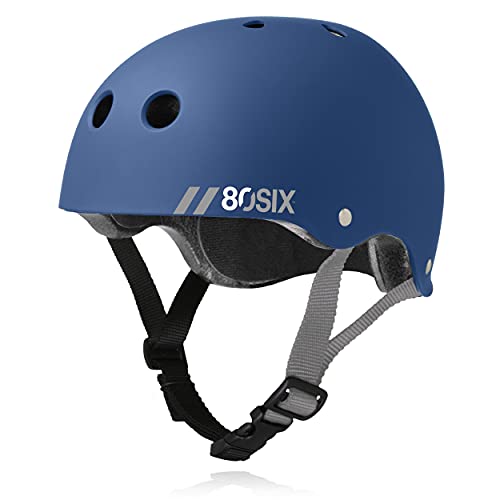
Best for active kids who enjoy biking, skating, scooting, and inline sports. This helmet uses an ABS outer shell for durability and an EPS liner with inner foam pads for comfort. It’s designed in NYC, and the brand has roots in trusted names like Triple 8 and 187 Killer Pads, which appeals to parents seeking established design language. A robust, well-ventilated build helps keep heads cool during long play sessions.
Who it’s best for: families seeking a single, versatile helmet that can transition across multiple activities without swapping gear. Why selected: strong, protective shell with comfortable padding and reliable ventilation. Caution: some kids may find it slightly bulkier than ultra-light models.
Schwinn Thrasher Helmet for Kids

This youth helmet is designed for kids aged roughly 8–14 with head circumferences of about 55–58 cm. It features a custom dial-fit system for a snug, secure fit and a removable visor for sun protection. The microshell construction keeps the helmet lightweight while full-coverage padding adds 360° comfort and makes washing easier as padding is removable. It’s a practical option for riders who ride on varied terrain and want a simple, adjustable fit.
Who it’s best for: families wanting an easy-to-adjust helmet that grows with a child and provides sun protection. Why selected: adjustable fit, good ventilation, and removable visor. Caution: may be less robust in very rough outdoor use compared to hard-shell riders.
OUWOER Kids Bike Helmet (Blue)
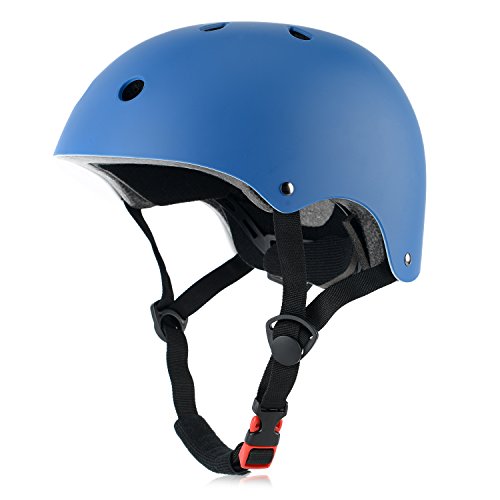
Available in three sizes to accommodate growing kids, this helmet combines an ABS shell with shock-absorbing EPS foam for effective impact protection. Ventilation is strong with 11 vents to help keep young riders cool. The design emphasizes a secure, adjustable fit and a broad size range, making it a versatile option for families who want one helmet that can last several years.
Who it’s best for: budget-minded buyers who need a multi-size helmet with solid cooling. Why selected: three sizes and robust protection features at a competitive price. Caution: sizing can run slightly small for older kids transitioning between sizes.
Atphfety Kids Helmet (Camouflage Green)
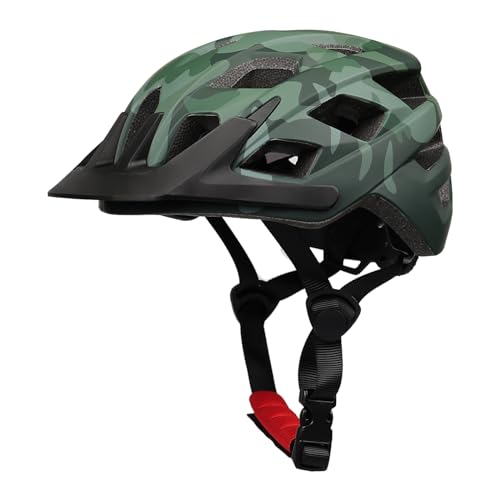
This helmet is offered in two sizes and uses a PC shell with an enhanced EPS core for improved crash protection. A large, snap-in detachable visor helps shield eyes from sun and rain, reducing face scrapes during a fall. The adjustable dial and strap system ensure a secure fit, making it suitable for active kids who ride multiple modes, from biking to skating.
Who it’s best for: families wanting a protective, visor-equipped helmet at a fair price. Why selected: reliable construction, removable visor, and multi-sport applicability. Caution: some colorways may have limited availability or slightly bulkier profiles.
BELL Richter Bike Helmet

With a classic, low-profile design, the BELL Richter emphasizes full coverage with straightforward fit adjustments. The True Fit system allows quick, one-step sizing, ideal for kids who prefer a simple, reliable setup. The Pinch Guard buckle reduces the chance of pinching during fastening, which helps speed up the helmet-wearing routine for busy mornings.
Who it’s best for: parents who want a timeless, simple helmet with reliable fit and easy buckling. Why selected: classic protection, easy adjustment, and pinch-free buckling. Caution: fewer ventilation channels compared with higher-vent models may feel warmer on hot days.
BURSUN Kids Bike Helmet (Multi-Sport)

Designed for ages 3–8, this helmet transitions into early adolescence with two sizing options and multiple color choices. It uses an ABS shell paired with EPS foam for impact absorption and features 11 vents to keep heads cooler during play. The shell-strength and adjustable dial system help ensure a snug fit for growing children who participate in biking, skating, and scooters.
Who it’s best for: families seeking a pocket-friendly, multi-sport helmet with adjustable sizing. Why selected: strong cooling, durable materials, and growth-friendly sizing. Caution: the visor, while practical, can be less secure at high speeds on rough terrain.
Buying Guide
How should you choose a helmet for an 8-year-old boy? Start with fit, then consider activity and protection needs. Look for sizes clearly labeled for children, with adjustable dials or two-strap systems to accommodate growth. A hard outer shell with a high-density EPS liner provides better impact distribution. Ventilation matters for comfort, especially during longer rides.
What size does your child need?
Use a flexible measuring tape to measure the head circumference around the forehead, above the ears. Most kids’ helmets list size ranges (for example, 54–58 cm). If in between sizes, choose the larger size with adjustable pads or a dial for a secure fit.
What activities will your child do?
For multi-sport use, pick a helmet labeled for biking, skating, and scooters. Models with a detachable visor help block sun and rain. If your child bikes on rougher terrain, prioritize models with stronger shells and more ventilation.
How important is comfort and weight?
Lightweight helmets reduce fatigue and improve willingness to wear the gear. Look for soft padding that is removable and washable, and a comfortable, secure chin strap. A snug fit prevents shifting during movement.
Safety standards to look for
Choose helmets that meet or exceed recognized safety standards for bike helmets. While specific certifications aren’t listed for every model here, many contemporary children’s helmets adhere to CPSC or equivalent safety requirements. Verify labeling on the product page or packaging before purchase.
Practical tips for use
- Always ensure the helmet sits level on the head and covers the forehead.
- Replace a helmet after a significant impact, even if there’s no visible damage.
- Adjust the fit after washing pads or changing sizes to maintain protection.
FAQ
- What size helmet should an 8-year-old wear? Answer: Measure head circumference and choose a helmet that fits a 55–58 cm range or the closest size with a secure fit adjustment.
- Is a visor necessary for kids’ helmets? Answer: A removable visor provides sun and rain protection and can be helpful for outdoor play, but is not essential for safety.
- Should I buy a single helmet for multiple activities? Answer: If your child bikes, skates, and scooters, look for a multisport helmet with strong ventilation and a comfortable, adjustable fit.
- How do I know if the helmet fits properly? Answer: It should sit level on the head, not tilt back or forward, with straps snug but comfortable. You should be able to fit two fingers under the chin strap.
- Are lightweight helmets less protective? Answer: Not necessarily. Modern designs balance weight and protection with optimized shell and liner materials for effective impact absorption.
- When should I replace a helmet? Answer: Replace after any significant impact or if the shell becomes cracked, dented, or the straps show wear.