Best Bike Helmet for Triathlon: Top Picks for Speed, Safety, and Comfort
Answering the need to balance aerodynamics, ventilation, and safety, these bike helmets are among the best choices for triathletes and serious runners. The top picks below are suitable for adult riders and offer features like MIPS protection, aerodynamic visors, and adjustable fittings. This guide helps triathletes select a helmet that stays cool, reduces rotational forces, and fits securely during transitions. Each option is chosen for athletes who value performance in training and race-day events. The buying table summarizes the five highlighted products and who they’re best for.
| Product | Best For | Why It Stands Out |
|---|---|---|
| SLS3 Triathlon Bike Helmet | Pros aiming for aero edge | Visor with magnetic fastener; tight, race-ready fit |
| Giro Isode MIPS II Cycling Helmet | All-around safety and comfort | MIPS Evolve Core; lightweight in-mold construction |
| Schwinn Thrasher Helmet (White) | Budget-friendly fitness rides | Lightweight microshell; adjustable fit; removable visor |
| Gianfto Adult Cycling Helmet | Comfort and airflow | 18 vents; lightweight; adjustable dial |
| Odoland Bike Helmet with Sunglasses | All-in-one commuter option | Helmet plus UV protection sunglasses; full ventilation |
SLS3 Triathlon Bike Helmet

The SLS3 Triathlon Bike Helmet is designed for aero-focused triathlon and time-trial use. It fits head circumferences from 21 to 23 inches (54-58 cm), with a compact 9.06 by 12.4 inch profile. Key features include a magnetically fastened visor that can be flipped up or removed while wearing the helmet. Eight vents (four front, four back) promote airflow to help stay cool during efforts. The visor is best for sun protection and keeping wind from eyes during a race. Caution: the helmet is not a very large size, so larger heads may feel snug.
Best for: Triathletes and time-trial riders who want an aero profile with a removable visor. Better for riders with average head size who need a compact helmet during transitions. Choose this if you want built-in eye protection and a streamlined shape. Avoid this if you have a larger head and require more room in the crown.
Giro Isode MIPS II Cycling Helmet

The Giro Isode MIPS II blends protection with comfortable, adjustable fit. It uses MIPS Evolve Core to reduce rotational forces while improving overall comfort and fit. The in-mold construction fuses a tough outer shell with an impact-absorbing foam liner for better ventilation and a cooler ride. The Roc Loc Sport fit system enables easy one-handed adjustments with a 7 cm range, and its design accommodates ponytails without compromising stability. Best for: Riders who want top-tier protection with a modern fit system and good ventilation. Better for: Those who value forward-looking MIPS technology and a secure fit. Caution: Some users may prefer larger sizing for added room in the crown.
Schwinn Thrasher Helmet (White)

This Schwinn Thrasher helmet is designed for fitness and recreational rides, fitting riders 14+ with head circumferences 58–62 cm. It uses a lightweight microshell with full-coverage interior padding for 360° comfort. An adjustable dial retention system allows a snug fit, with side and chin straps to fine-tune stability. The removable visor provides sun protection on bright training days. Best for: Budget-conscious riders who want a comfortable helmet for regular rides. Better for: Fitness cyclists who ride in sunny conditions. Caution: For triathlon-specific aerodynamics, this is not a dedicated aero helmet, so the shape is more conventional than ultra-streamlined.
Gianfto Adult Cycling Helmet
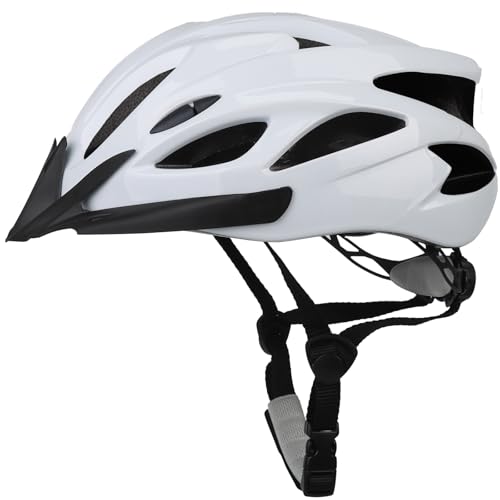
The Gianfto helmet emphasizes airflow with 18 vents and an easy-to-use dial for fit customization. It is certified for safety and features an all-in-one polycarbonate shell with EPS foam to absorb impact forces. The helmet’s lightweight construction reduces head fatigue during long sessions, and the ventilation design promotes cooling. Best for: Riders seeking strong airflow at a reasonable price. Better for: Those who prioritize ventilation during longer rides. Caution: Availability and sizing may vary; verify fit before purchase.
Odoland Bike Helmet With Cycling Sunglasses

The Odoland helmet set combines cycling head protection with UV-protected sunglasses. It targets outdoor and urban riders who want a complete go-to kit. Ventilation is designed to keep riders cool, and the sunglasses help shield eyes from glare. Best for: City cyclists and commuters who want an all-in-one solution. Better for: Mixed-use riders who value sun protection during breaks in training. Caution: The integrated sunglasses may limit braking visibility in heavy rain or low-light conditions.
Buying Guide
What should I prioritize in a triathlon helmet?
Focus on aerodynamics, lightweight construction, and a secure fit. Look for MIPS or similar rotational-force reduction technology, an adjustable fit system, and a low-profile shape that minimizes drag. A visor can help during transitions and sunny segments but should not interfere with goggles or glasses.
How important is fit and comfort?
A helmet must fit snugly without pinching, with enough room to accommodate hair and glasses. An adjustable dial or strap system helps tailor the fit to your head shape. Ensure the helmet sits level and covers the forehead without tilting forward or backward.
What about ventilation?
Aerodynamic helmets often trade some ventilation for speed. For climate control, prioritize models with multiple vents and internal channels to channel air over the scalp. The goal is to stay cool during the bike segment while keeping the helmet lightweight.
Visor vs. no visor
Visors reduce glare and eye fatigue in bright conditions. They can, however, complicate transitions or interfacing with glasses. If you race in variable light, consider a helmet with a removable visor or a design that lets you remove it easily while riding.
How do I choose the right size?
Measure head circumference and consult the product’s size chart. If you’re between sizes, choose the larger size and use padding or adjusters to fit. A proper fit prevents movement during the ride and improves energy efficiency in the aero position.
What else should I consider?
Durability, ease of cleaning, and maintenance matter for long-term performance. Ensure pads are removable and washable. Check the safety certifications listed by the manufacturer to confirm compliance with consumer safety standards.
FAQ
- Q: Do triathlon helmets have better aerodynamics than regular bike helmets?
- A: Yes, many triathlon helmets are designed to be more aerodynamic with a lower profile and fewer protrusions to reduce drag; some include visors for eye protection during transitions.
- Q: Is MIPS essential for triathlon helmets?
- A: MIPS or similar protective technologies help reduce rotational forces in certain impacts, which can improve safety in hard crashes.
- Q: Can I wear a regular bike helmet in a triathlon?
- A: You can, but aero-focused triathlon helmets often offer better performance in cycling segments and transitions.
- Q: How important is visor visibility during races?
- A: Visors can cut glare and improve vision in bright conditions, but ensure they don’t interfere with glasses or race-day protocols.
- Q: How do I know which size to choose?
- A: Use the head circumference measurement and compare with the manufacturer’s sizing chart; try on if possible to ensure secure fit.