Best Binocular Harnesses for Birding: Comfort, Stability, and Easy Access
Answering the question “which binocular harness is best for birding?” this guide highlights five reliable options that balance load distribution, accessibility, and durability for birdwatchers. These harnesses are ideal for hikers, field researchers, and casual hobbyists who want hands-free carrying without neck strain. Each product is chosen for a specific scenario—whether you need ultra-light comfort, rugged durability, or quick access in dense brush—so you can pick the best fit for your birding style. A quick summary table follows to compare core ideas at a glance.
| Product | Brand | Best For | Key Benefit |
|---|---|---|---|
| Binocular Harness Strap for Hunting, X-shaped Decompression | OUFABE | All-day birding, outdoor adventures | Even weight distribution; flexible adjustment |
| Rick Young Outdoors Premium Binocular Harness | Rick Young Outdoors | Hunting and birding with quick access | Patent design; versatile wearing positions |
| OUFABE Binocular Harness Strap, X-shaped Adjustable | OUFABE | Compact setups, light packing | Durable, easy to slide into position |
| GAIARENA Binocular Harness | GAIARENA G | Casual birding and travel | Includes microfiber cleaning cloth; comfortable spread |
| HUNTPAL Binocular Harness Strap | HUNTPAL | Rugged outdoor use | Wear-resistant build; ergonomic distribution |
OUFABE Binocular Harness Strap, X-shaped Deluxe Bino Chest Straps
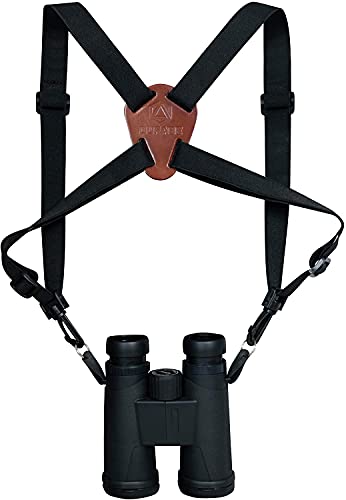
Best for: Birders who want even weight distribution and a snug chest hold without restricting movement. The X-shaped design places the load across shoulders and upper back to minimize neck fatigue during long field sessions. Double-stitch construction adds durability for rugged outdoor use.
Why selected: This harness emphasizes wear resistance and ergonomic support, making it a dependable option for extended birding trips or treks where you carry binoculars for hours. Flexibility in strap length helps accommodate different body sizes and layering.
Limitation: Some users may prefer a lighter or less bulky option for very short walks or urban birding, where minimal gear is preferred.
Rick Young Outdoors Premium Binocular Harness

Best for: Birders who need a compact, versatile harness that works well with multiple wearing positions and other gear. The patented shock cord system distributes weight evenly, reducing digging and sagging during long observation sessions.
Why selected: Its adaptability supports different hunting or birding styles, making it a strong choice for users who switch between perched sightlines and active hiking. It’s ultralight and stores neatly when not in use, aiding mobility in dense habitats.
Limitation: While lightweight, it may offer fewer texture options for those who prefer thicker chest straps for extreme conditions.
OUFABE Binocular Harness Strap, X-shaped Adjustable Deluxe

Best for: Birders carrying cameras or rangefinders in addition to binoculars, needing a stable, hands-free setup. The cross design distributes weight across the chest to reduce fatigue during long field outings.
Why selected: This option emphasizes compatibility with other gear, making it practical for enthusiasts who photograph birds or manage multiple optical tools. The design keeps binoculars close to the chest for quick, interference-free viewing.
Limitation: The fabric and fittings are designed for durability, but some users may find the cross-strap setup slightly longer to adjust than simpler models.
GAIARENA Binocular Harness
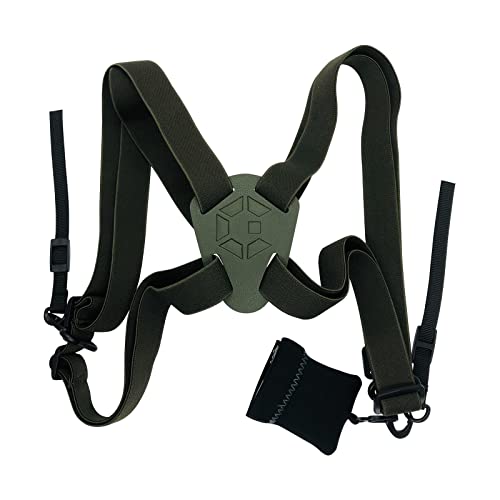
Best for: Birders who want a lightweight, comfortable carry with added cleaning cloth to maintain optics on the go. The harness spreads weight across shoulders for longer, fatigue-free viewing sessions.
Why selected: The microfiber cleaning cloth is a functional bonus that helps keep lenses clear during field use, while the design keeps gear close to the chest to prevent swinging.
Limitation: The included cleaning cloth is a nice extra, but users should verify compatibility with their specific binocular width and eye relief to ensure a perfect fit.
HUNTPAL Binocular Harness Strap
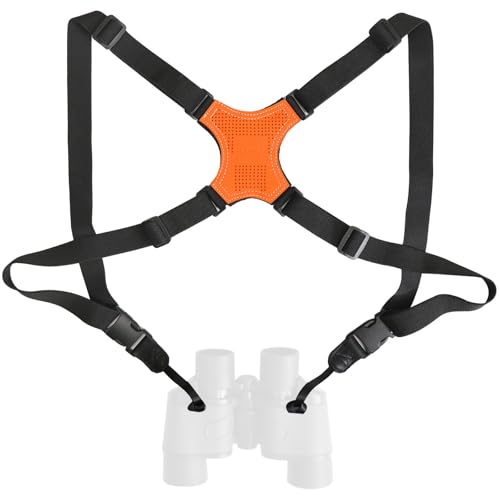
Best for: Outdoor enthusiasts seeking a tough, wear-resistant option that maintains a balanced load across shoulders and back. The X-shaped design supports extended birding sessions in rugged terrains.
Why selected: The product prioritizes durability and ergonomic weight distribution, which is essential for birding in mixed terrain or during long hikes where equipment robustness matters.
Limitation: As with other heavier-duty harnesses, bulkier packs may require more fabric management in cramped observation spots.
Buying Guide: How To Choose A Binocular Harness For Birding
- Seek an X-shaped or cross-shoulder design that spreads weight across both shoulders and upper back to prevent neck fatigue during long observations.
- Look for rugged materials and reinforced stitching, especially if you field-test in rough terrain or carry gear beyond binoculars (camera or rangefinder).
- Ensure flexible strap length and easy quick-release or adjustable buckles for quick access and a snug fit over clothing and layers.
- Consider how easily you can slide binoculars to viewing position without interference; a harness should keep optics close to the chest but readily accessible.
- Cleaning cloths or sensor-friendly fabric can be helpful for maintaining optics in damp or dusty environments.
- Check fit with your specific binocular width, eye relief, and whether you also carry a camera or rangefinder.
FAQ
- What makes a binocular harness better for birding than a regular neck strap? A harness distributes weight across shoulders and chest, reducing neck strain and limiting binocular sway during movement, which improves stability while tracking birds.
- Is a lightweight harness always better for birding? Not always. Lightweight models are comfortable for short trips, but a sturdier harness often provides better weight distribution for long days or heavier optics.
- Can I use a binocular harness with a camera? Some harnesses are designed to accommodate multiple devices; check compatibility with your camera strap layout and ensure quick-access options remain unobstructed.
- How do I choose between adjustable and fixed-length straps? Adjustable straps are more versatile across body sizes and clothing layers, while fixed-length straps can offer quicker setup if you consistently wear the same setup.
- Do these harnesses protect binoculars from damage? Yes, many use durable nylon and reinforced stitching to minimize impact and reduce the risk of strap failure during use.
- What should I consider for extreme weather? Look for water-resistant materials and secure buckles; consider a harness that keeps optics closer to the body to shield from wind and rain.