Best Boxes for Box Jumps: Top Plyometric Boxes for Home Gyms
Looking for the right box for box jumps? This guide highlights five versatile plyometric boxes suited for beginners to advanced athletes, focusing on stability, height options, and joint-friendly design. Whether you’re building explosive power, improving agility, or adding HIIT into your routine, these selections help you choose based on height variety, material, and surface grip. Ideal buyers include home gym enthusiasts, CrossFit-style trainees, and anyone prioritizing safe, stable landings during plyo training.
Quick reference table of selected products
| Product | Height Options | Best For | Notes |
|---|---|---|---|
| BalanceFrom 3-in-1 Rotatable Plyometric Box | 16″, 20″, 24″ | Beginners to intermediate; home gym users | Foam build; anti-slip surface |
| BalanceFrom 3-in-1 Foam Plyometric Jump Box | 16″, 20″, 24″ | Joint-friendly training; versatile heights | High-density foam; non-slip |
| BalanceFrom 3 in 1 20″, 24″, 30″ Foam Box | 20″, 24″, 30″ | Progressive athletes; HIIT and strength | Longer height range |
| CAP Barbell 3-in-1 Rubber Textured Box | 16″ x 14″ x 12″ | Compact spaces; sturdy wood core | Interlocking design; smooth edges |
| Amazon Basics 3-in-1 Wooden Plyo Box | 16″ x 14″ x 12″ (three heights) | Indoor home gym; easy assembly | 450 lb capacity |
BalanceFrom 3-in-1 Rotatable Plyometric Box Jumping Exercise Trainer

Three-in-one height options allow rapid height changes without moving equipment, supporting 16-inch, 20-inch, and 24-inch plyo heights. The durable foam build reduces impact and shin scrapes, while the textured surface provides non-slip footing. Best for beginners to intermediate users who want simple height progression and a comfortable landing surface. Limitations include foam construction may compress with heavy, repeated use over time.
BalanceFrom 3-in-1 Foam Plyometric Jump Box

Foam-engineered, this 3-in-1 box offers soft landings with heights of 16, 20, and 24 inches and a non-slip textured surface. It’s well-suited for home gyms prioritizing joint comfort and multi-height options. Choose this if you want maximum surface softness and quiet operation; however, foam structure may show more wear under heavy daily use compared with solid wood or steel options.
BalanceFrom 3 in 1 Foam 20″, 24″, 30″ Box

This foam-based, three-height plyo box supports 20″, 24″, and 30″ heights, enabling progression for HIIT, plyometrics, and strength training. Best for serious trainees who need a broader height range in a single unit. A potential limitation is foam durability under high-volume sessions; inspect regularly for compression at higher heights.
CAP Barbell 3-in-1 Rubber Textured Plyometric Box

Solid construction with a textured, non-skid surface and interlocking design for stability. The 16″ x 14″ x 12″ dimensions keep it compact for smaller spaces while providing safe, stable landings. Best for users who want a durable wood/rubber combo in a compact footprint. Limitation: smaller footprint may feel less supportive for taller jump heights for some athletes.
Amazon Basics 3-in-1 Wooden Plyo Box

Three adjustable heights with clear indicators, a robust wooden core, and a 450 lb capacity. The easy assembly and wide handles make it a practical choice for many home gym setups. Best for buyers who value a traditional wooden build with straightforward height options and heavy-duty weight support. Caution: wood-based boxes may require more care to maintain smooth edges over time.
GanFindX Steel Plyometric Jump Box

18-inch steel plyometric box with a wide trapezoid base for stability and a textured top surface for grip. Suitable for higher-load training and serious athletes, including power and conditioning work. Best for those who require maximum stability and a high weight capacity. Limitation: heavier and less portable than foam or wooden options; consider storage space and setup time.
BalanceFrom 3-in-1 Foam Plyo Jump Box (Multicolor)
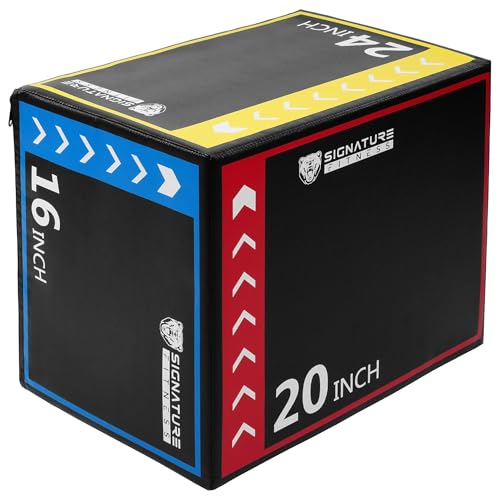
This foam-based 3-in-1 box supports up to 350 lbs with a flip design for three height options. The textured non-slip PVC surface helps maintain footing during jumps and step-ups. Best for budget-minded buyers who want a versatile, joint-friendly platform; avoid if you need maximum durability for heavy daily use over many years.
Buying Guide: Key Considerations for Box Jumps
- Height range: Decide whether you need three heights, up to 30 inches, or a fixed height. Higher options benefit advanced box jump training and sprint work; lower heights help beginners and rehab progressions.
- Material and feel: Foam offers softer landings but may wear with heavy use; wood provides solid stability and durability; steel/iron adds maximum weight capacity but increases impact on joints and footprint.
- Surface grip: A textured, non-slip top keeps you secure during dynamic movements. Check base materials for floor protection and slide resistance.
- Portability and storage: Consider dimensions, weight, and whether the box folds or disassembles. Foam boxes are typically lighter; wooden and steel boxes are heavier but more durable.
- Durability vs. safety: Look for rounded edges, secure joints, and anti-slip surfaces. Interlocking designs or wide bases reduce wobble during jumps.
- Weight capacity: Ensure the box supports your training load, including repeated explosive jumps and step-ups. Higher capacities are preferable for power training.
How to choose by training goal
- Explosive power and sprint work: Prefer higher height options and robust construction (steel or dense foam with solid base).
- Joint-friendly training: Foam plyo boxes offer softer landings; verify foam density and surface texture.
- Space-limited gyms: Opt for compact dimensions with three height options and easy storage.
- All-around home gym: Look for three-height versatility, solid construction, and a good balance between weight and stability.
FAQ
- What height should beginners start with? Start with the lowest height available (often 12–14 inches) and progress gradually as confidence and form improve.
- Is foam better for training than wood? Foam reduces impact on joints but may wear faster with heavy use; wood provides durability but harder landings.
- Do I need a non-slip top? Yes, a textured top helps prevent slips during jumps and step-ups, especially on hardwood floors.
- Can I use a plyo box for exercises other than box jumps? Yes, you can use it for step-ups, elevated push-ups, pistols progressions, and various HIIT movements.
- How much space do I need? A box with a small footprint plus room for knee clearance is ideal; ensure you have safe landing space on all sides.
- Are any of these boxes suitable for outdoor use? Most are designed for indoor use; check material and moisture resistance if you plan to use them outdoors.