Best Caffeine Gels for Running: Quick Fuel for Endurance and Speed
Answering the call of distance runners and tempo racers, caffeine gels offer fast-acting carbs in a portable, easy-to-digest format. This guide highlights five caffeinated and related endurance gels to consider for training runs, race days, and mixed workouts. The buyers most likely to benefit are long-distance runners, tempo/interval athletes, and anyone who needs reliable mid-race energy without stopping.
| Product | Caffeine (approx.) | ||
|---|---|---|---|
| Honey Stinger Organic Strawberry Kiwi Energy Gel | 32 mg | 24 g | Fast, portable energy for runners who want a fruity flavor |
| Honey Stinger Organic Salted Caramel Energy Gel | 32 mg | 24 g | Electrolyte-backed energy with a dessert-like taste |
| BARE PERFORMANCE NUTRITION Go Gel Endurance Apple Cinnamon | 75 mg | 24 g | High-caffeine option for endurance push and longer sessions |
| Precision Fuel PF30 Caffeine Energy Gel | 100 mg | 30 g | High-caffeine, neutral flavor for long runs without flavor fatigue |
| GU Roctane Ultra Endurance Energy Gel | Varies by formulation (often includes caffeine in some packs) | 19-21 g | Advanced endurance support with amino acids for challenging efforts |
The following sections present each product in detail. Expect practical takeaways on who should choose each option, why it was selected for this guide, and any notable caveats or limits associated with the product data.
Honey Stinger Strawberry Kiwi Energy Gel

Best for runners seeking a familiar fruit flavor with reliable energy delivery. This caffeinated gel provides 24 g of carbohydrates per serving and 32 mg of caffeine, designed for quick uptake during runs or workouts. The compact 12-pack format fits easily into pockets or belt pouches, making it a convenient mid-run fuel. Choose this if you prefer a fruity profile and need steady energy during moderate-to-long efforts. Caution: caffeine sensitivity can vary; start with a half-serving if you’re new to caffeine gels.
Honey Stinger Organic Fruit Smoothie Energy Gel

Better for runners who want a fruit-forward option with quick uptake and no caffeine. While this gel is gluten-free and designed for sustained energy, it is labeled caffeine-free in the product line, making it a good alternative on days when caffeine intake is limited. Best for tempo runs where flavor variety helps maintain motivation. Note: this variant does not provide caffeine, so align with your caffeine plan for the session.
Honey Stinger Salted Caramel Energy Gel

Ideal for runners who want a dessert-inspired option with electrolytes. This caffeinated gel combines organic honey and electrolytes with natural caffeine for a quick energy spike during activity. Best for workouts with steady pacing or moderate-distance races. Limitation: sweetness may feel too rich for some athletes, and caffeine tolerance should be considered before extended use.
BARE PERFORMANCE NUTRITION Go Gel Endurance Apple Cinnamon

Best for endurance athletes who want a stronger caffeine kick. This gel provides 75 mg of caffeine per packet and 24 g of carbohydrates, designed to support sustained energy release during long workouts. Choose this if you’re training for long-distance events or need a noticeable mid-run lift. Caution: higher caffeine content may increase heart rate and gastrointestinal sensitivity in some runners; test in training before race day.
Precision Fuel PF30 Caffeine Energy Gel

Best for runners who want a high-caffeine, neutral-tasting gel to avoid flavor fatigue. PF30 delivers 100 mg of caffeine per serving with 30 g of carbohydrate, and a texture designed to reduce stickiness. It is well-suited for long runs or interval sessions where flavor fatigue can be an issue. Limitation: very high caffeine content may not be suitable for caffeine-sensitive athletes; consider splitting servings in early trials.
GU Roctane Ultra Endurance Energy Gel
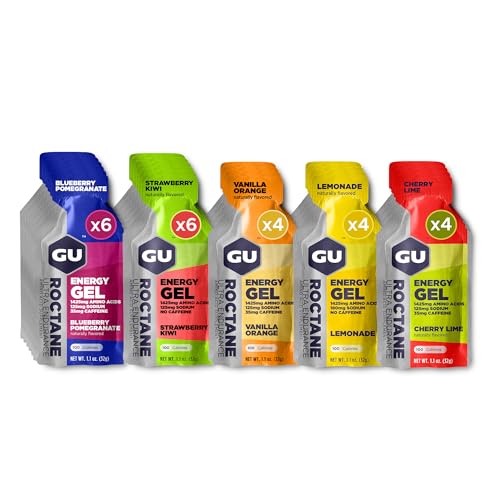
Best for athletes who want enhanced support during demanding efforts. Roctane gels contain higher sodium, additional amino acids (BCAAs) and carbohydrates for sustained energy and focus. While caffeine content varies by formulation, it is designed for longer events like marathons or multi-hour sessions. Choose this if you are following a plan that prioritizes endurance-focused supplementation. Limitation: higher sodium and amino-acid content may not suit every athlete; test with training runs first.
Buying Guide: How To Choose The Right Caffeine Gel For Running
When selecting caffeine gels for running, consider caffeine level, carbohydrate delivery, digestibility, flavor, and session length. Below are practical questions to guide your decision.
How much caffeine do you need?
Higher caffeine options (75–100 mg per serving) can provide a stronger mid-run lift for long-distance or intense workouts. Start with a lower dose if you’re caffeine-sensitive or new to gels, then progress to higher caffeine options as your tolerance builds.
Do you prefer caffeinated or caffeine-free options?
Some runners perform well with caffeinated gels only during certain sessions. A mix of caffeinated and non-caffeinated gels allows flexible fueling depending on distance, pace, and training schedule.
How easy is the gel to digest during activity?
Look for gels labeled as easy-to-digest with a quick uptake profile. Some formulations emphasize rapid absorption to reduce the risk of stomach upset during high-intensity efforts.
What flavor profile works best for you?
Flavor fatigue matters on longer runs. Fruity, dessert-like, and neutral flavors can all reduce palate fatigue. If you train with different flavors, you may avoid getting bored mid-race.
Are electrolytes or amino acids a priority?
Gels with electrolytes help with hydration and sodium balance during longer runs. Some Roctane-style gels add amino acids for sustained focus and recovery support, which may be beneficial for athletes pushing into higher intensities.
How do you plan to carry and consume gels?
Consider the form factor, packaging, and access during runs. Pack-sized gels fit in a pocket or belt. Some athletes prefer gels with a smoother texture to minimize mouth-coating and make ingestion easier on the move.
FAQ
- Are caffeinated gels safe for all runners? Caffeine sensitivity varies. Start with a small amount, monitor heart rate and GI response, and adjust based on training experience.
- How long before a run should I take a gel? Most runners take a gel 15–45 minutes before and, if needed, again every 30–45 minutes during longer sessions.
- Can I mix gels with sports drinks? Yes, but avoid overloading on fluids that might cause GI distress. Consider separate sips of water to aid digestion.
- Do gels cause stomach upset? Some athletes may experience GI discomfort with certain formulations. Test different brands and flavors during training, not race day.
- Should I use the same gel for training and racing? Using the same gel reduces risk of GI surprises. For longer races, plan caffeinated gels for strategic energy intervals.
- What if I don’t like the flavor? Many brands offer several flavors; try samples in training to identify preferred options.