Best Compression Sleeves for Your Legs: Comfort, Recovery and Support
When searching for leg compression sleeves, focus on graduated compression, fabric comfort, and a fit that suits your activity. This guide highlights five top options ideal for runners, travelers, workers on their feet, and anyone seeking relief from shin splints, swelling, or varicose veins. Each product is chosen for different needs—whether you want all-day wear, athletic support, or recovery after workouts. Below, compare features, best-use scenarios, and any practical limitations to help you choose confidently.
- Product: BLITZU Calf Compression Sleeves (Black, L-XL)
- Product: Skylety Full-Length Leg Sleeves
- Product: Rymora Calf Compression Sleeves (Black, L)
- Product: Copper Compression Leg Sleeve
- Product: CAMBIVO Calf Compression Sleeve (Black, Large-XLarge)
BLITZU Calf Compression Sleeves – Black, L-XL

Best for: Nursing mothers, people with circulation concerns, and active runners seeking swelling relief. The sleeves use graduated compression to improve blood flow, reduce swelling, and ease varicose-vein discomfort. They are designed to support calf muscles during workouts and speed recovery after activity.
Why selected: This model emphasizes measured compression, a fit tailored by calf sizing, and coverage that helps with shin splints and leg fatigue. It is suitable for day-to-day wear and athletic use, making it versatile for several buyers.
Caution: Ensure you pick the correct calf size; sizing guidance recommends sizing up if between sizes for a looser fit, or down for tighter compression.
Skylety Full-Length Leg Sleeves

Best for: Outdoor athletes and daily wearers who want sun protection and leg support during sports. The sleeve set offers two pairs with breathable, elastic fabric that helps manage heat and moisture while reducing leg fatigue.
Why selected: The fabric blend emphasizes comfort and breathability, coupled with elasticity that suits a range of leg shapes. It’s a practical choice for people who perform in sunny environments and need light compression plus sun-blocking capability.
Caution: Check the size chart carefully before buying; higher compression may require choosing a smaller size for a firmer fit.
Rymora Calf Compression Sleeves – Black, L
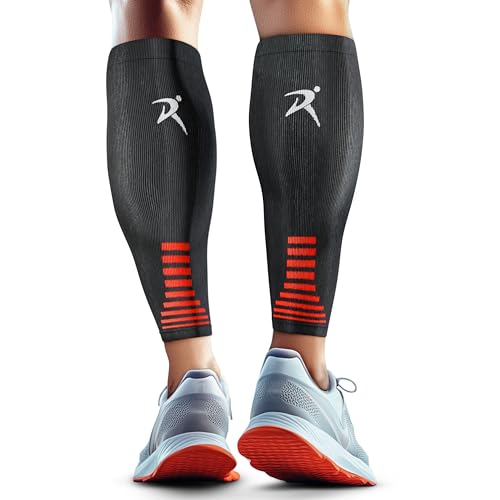
Best for: Athletes and recovery-focused users who want strong calf support during workouts and after-exercise relief. These sleeves aim to improve circulation and reduce leg fatigue, aiding quicker post-workout recovery.
Why selected: The product emphasizes a precise size chart and graduated compression to support movement and reduce stiffness. It’s well-suited for runners and individuals who spend long periods on their feet.
Caution: Accurate sizing is important; follow the included size diagram to avoid under- or over-compression.
Copper Compression Leg Sleeve

Best for: All-day wearers and sport enthusiasts who want full-leg support from thigh to just above the ankle. The sleeve is designed to stay in place under clothing and provide consistent compression throughout wear.
Why selected: This option covers a broader area, making it suitable for users needing support beyond the calf. It’s a practical choice for preventive care, chronic soreness, and everyday activities requiring leg stabilization.
Caution: Full-leg compression requires snug fitting; if you’re between sizes, size down for a firmer fit, but avoid overly tight compression that may impede circulation.
CAMBIVO Calf Compression Sleeve – Black, Large-XLarge

Best for: Runners and gym-goers seeking targeted calf support to prevent fatigue and enhance performance. The sleeve is designed for high-activity days and recovery periods alike.
Why selected: CAMBIVO’s sleeve emphasizes calf stability and circulation, aiding performance during running, walking, and other sports. It’s a strong mid-range option and often preferred for varied workouts.
Caution: Verify the size chart before ordering; larger sizes may be needed for thicker calves, especially during high-activity training cycles.
Buying Guide: Key Considerations For Leg Compression Sleeves
What level of compression do I need?
Choose sleeves with graduated compression (typically 15-30 mmHg for everyday wear, 20-30 mmHg for athletic use). Higher pressure is common in performance-focused products but should fit snugly without restricting movement.
Which length is best?
Calf sleeves target the lower leg, while full-leg sleeves cover from thigh to ankle. For shin splints or calf fatigue, calf-length options are usually enough. For broader support or medical needs, full-leg sleeves may be preferred.
What materials matter?
Look for blends that balance breathability, moisture-wicking, and stretch (common mixes include nylon, polyester, and spandex). Durable fabrics resist wear during repeated wash cycles.
How should I size them?
Always refer to the manufacturer’s size chart. Measure around the thickest part of your calf (or thigh for full-leg sleeves). If between sizes, choose the smaller size for firmer compression or the larger size for a looser fit.
Are there any drawbacks to watch for?
Some sleeves can be too tight or slide down during activity. Check for a snug, comfortable fit with minimal rolling. If you have persistent swelling or medical conditions, consult a clinician before use to ensure compression is appropriate.
How should I care for compression sleeves?
Most sleeves are machine washable. Use a gentle cycle and air dry to preserve elasticity. Avoid high heat and fabric softeners that may degrade compression fibers over time.
FAQ
What are compression sleeves used for?
They help improve blood circulation, reduce swelling, relieve shin splints and calf fatigue, and support recovery after activity or long periods of standing.
Can I wear compression sleeves all day?
Yes, for most users, but listen to your body. If you notice numbness, persistent pain, or coughing due to tightness, remove them and consult a clinician.
Is there a difference between calf sleeves and full-leg sleeves?
Calf sleeves focus on the lower leg, while full-leg sleeves provide support from thigh to ankle. Choose based on your specific comfort and support needs.
How do I know which size to pick?
Use the size chart and measure the relevant circumferences. If you’re between sizes, a smaller size offers firmer compression; a larger size offers more comfort with slightly looser compression.