Best Cool Helmets for Kids: Safe, Stylish Headgear for Riders
Find the right kids helmet that blends safety, comfort, and style for active youngsters. This guide highlights five top options suited for biking, skateboarding, scootering, and more. Best for different needs, from ultra-ventilated designs to bold, kid-friendly graphics. The products below are selected for durability, fit adjustability, and cool looks that kids will actually want to wear. Ideal buyers include parents seeking reliable protection for frequent riders, caregivers shopping for sporty youth, and anyone wanting versatile, multi-sport helmets.
Summary of selected products
- 80SIX Triple Certified Multisport Helmet — best for multi-sport use and long rides
- Mongoose Street Hardshell Skull Youth Helmet — best for bold, standout style
- BELL Spider-Man Mowhawk Web Shatter Helmet — best for Spider-Man fans and smaller heads
- Raskullz Sharkmo Blue Child Helmet — best for lightweight, playful design
- SIFVO Kids Bike Helmet — best for full coverage and versatile sports
80SIX Triple Certified Multisport Helmet
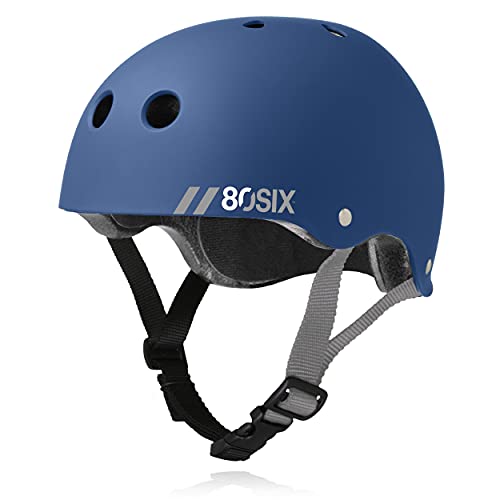
Best for: Kids, teens, and adults who participate in multiple activities like biking, skating, and scootering. It combines durability with a comfortable fit for hours of use.
Why selected: It uses a classic bike helmet shell with an EPS liner and inner foam pads, offering reliable protection and good ventilation. Designed in New York and backed by a sports-gear lineage, this helmet suits active families seeking a versatile option.
What to know: This is a larger, all-purpose helmet, which may be preferable for families needing one helmet to cover several sports. Ensure fit with adjustable pads and a secure strap system.
Mongoose Street Hardshell Skull Youth Helmet

Best for: Kids ages 8–14 who want a bold, durable helmet for biking, skating, or scooting with a standout skull design.
Why selected: Built with a tough ABS outer shell and 360° internal pads, this helmet emphasizes durability and a secure, comfortable fit while meeting safety standards for multiple activities.
What to know: The skull motif is highly visible, which helps with park visibility. As with all helmets, proper sizing is essential for effective protection.
BELL Marvel Spider-Man Mowhawk Web Shatter 3D Helmet
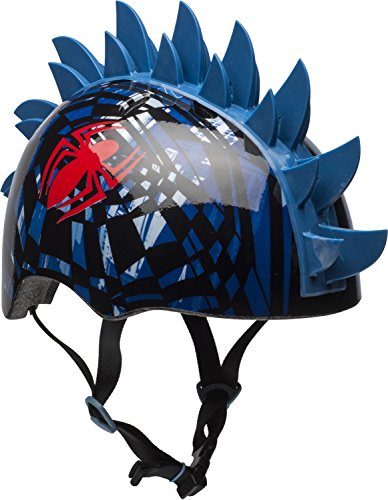
Best for: Younger children who are fans of Spider-Man and need a helmet sized for 5–8-year-olds.
Why selected: Features a web-themed 3D look with a comfortable fit and multiple vents to keep heads cool during play. The side-squeeze buckle allows easy adjustments for quick on-off access.
What to know: Fit range is specific to smaller heads; verify sizing before purchase to ensure proper protection.
Raskullz Sharkmo Blue Child Helmet

Best for: Kids who want a lightweight helmet with a fun, shark-themed graphic for biking, scooting, or skating.
Why selected: A lightweight design with a playful, visually engaging graphic that can motivate kids to wear it regularly. Suitable for ages around 5–8 depending on head size.
What to know: The graphic is bold, which may appeal to some kids more than others; always check sizing and comfort before extended use.
SIFVO Kids Bike Helmet With Visor

Best for: Kids aged 5–14 who need full-coverage protection and a built-in visor for sun protection during outdoor play.
Why selected: Combines sturdy PC shell with an impact-resistant EPS liner and includes a 360° protection design. The removable visor helps shield eyes from sun and branches, while remaining suitable for various sports types.
What to know: Certification includes CE+CPSC+ASTM; ensure proper size and secure strap for maximum safety.
Buying Guide
What should I look for in a kid helmet?
- Certification and safety standards: Look for CE, CPSC, or ASTM certifications that align with your region’s requirements.
- Proper fit options: Adjustable dial fits, adjustable chin straps, and removable pads help tailor the helmet to growing heads.
- Ventilation and comfort: Adequate vents and soft interior padding improve comfort during longer sessions.
- Weight and material: Lightweight helmets reduce fatigue and are more likely to be worn consistently.
- Design and visibility: Bright colors or bold graphics can encourage kids to wear the helmet and stay visible to others.
Which helmet type is best for multi-sport use?
For families that bike, skate, and scooter, a multi-sport helmet with a robust shell and strong EPS liner is ideal. Look for models labeled as multisport or with versatile adjustment ranges to fit different activities.
Is sizing really important?
Yes. An ill-fitting helmet can fail to protect the head in a fall. Measure your child’s head circumference and compare with size charts. If in doubt, choose a helmet with more adjustability to accommodate growth.
How should I test the helmet fit?
Place the helmet level on the head, two fingers width above the eyebrows. The chin strap should be snug but comfortable, allowing only two fingers to fit under it. Shake gently to ensure it stays in place.
What about durability and weather?
Choose helmets with durable shells and impact-resistant liners. If your child plays in varied weather, consider a model with good ventilation for heat and a visor or brim for sun protection.
Maintenance tips
- Wipe the exterior with a damp cloth; avoid harsh cleaners that could degrade materials.
- Remove and wash pads as recommended by the manufacturer to maintain hygiene and fit.
- Inspect for cracks or compromised straps after falls and replace if any damage is found.
Frequently asked questions
- Are bike helmets universal for all sports? Some helmets are multisport and suitable for several activities, but always follow the manufacturer’s safety guidelines for each sport.
- How do I know if a helmet fits my child’s head well? A properly fitting helmet sits level, not tilted, and the strap keeps it secure without pinching.
- Should I replace a helmet after a crash? If the helmet has sustained an impact, replace it. Do not rely on the helmet’s appearance to judge safety.
- What sizes are typical for kids’ helmets? Sizes commonly range from toddler to youth; always measure head circumference for accuracy.
- Can older kids use adult-sized helmets? Yes, if the adult size fits properly; ensure the helmet covers the forehead and sits securely.