Best Coyote Decoy for Deer: Effective Deterrents to Protect Lawns and Gardens
The top choice for deterring deer and other wildlife is a lifelike coyote decoy. This guide highlights five practical options, focusing on effectiveness, durability, and ease of use. Each product is evaluated for who it’s best for—owners with barns, gardens, or large open spaces—and what makes it a better pick in different scenarios. Use the table below to compare key points at a glance.
| Product | Best For | Notes |
|---|---|---|
| Flambeau Lone Howler | Ranchers and barns | Ultra-realistic, sturdy, portable |
| Watch Dog Goose Patrol Dog Decoy | Geese and mixed fowl | All-weather, persistent threat signal |
| Bird-X 2D Hunting Coyote | General yard deterrence | 2D silhouette, versatile for birds and deer |
| Lucky Duck Yote Coyote Decoy | Fields and golf courses | Realistic eyes, easy setup |
| Mysora 3 Pack Coyote Decoys | Large lawns and gardens | Three poses, visible from distance |
Flambeau Lone Howler Coyote Decoy
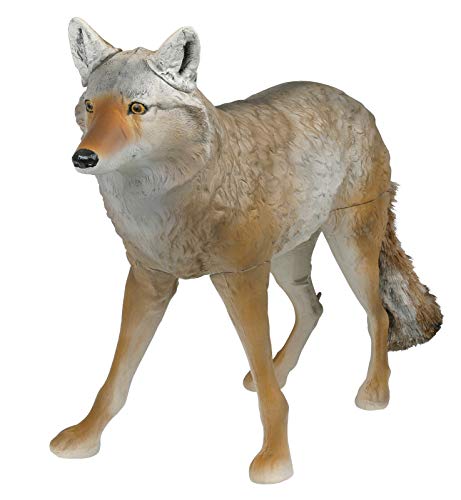
Best for: barnyards, outbuildings, and properties where a durable, portable decoy is needed. This model features ultra-realistic detailing to mimic a mature male coyote’s stance and coloring, providing a credible threat signal to both birds and small mammals moving near structures. The hard plastic construction, heavy-duty leg posts, and locking lugs support long-term outdoor use and robust transport.
Why it’s selected: The realistic body and reliable mounting make this decoy a top option for frequent repositioning around perimeters, pastures, or garden beds where predators are a concern. It’s a strong deterrent when paired with regular placement changes to prevent habituation.
Caution: The leg posts are designed for stability, but in extremely windy locations, extra staking may be required to maintain orientation.
Watch Dog Goose Patrol Lone Dog Decoy

Best for: areas where a dog-shaped deterrent provides a consistent threat signal to birds, especially around ponds, fields, and driveways. The corrugated plastic construction withstands sun, wind, and seasonal changes, and a steel spring adds durability for outdoor use.
Why it’s selected: The decoy leverages a canine silhouette that birds perceive as a persistent predator, which can be more effective than occasional coyote visuals in some settings. Daily repositioning during the first week helps maintain deterrence.
Caution: This decoy requires careful setup and daily relocation to maximize effectiveness; improper placement may reduce impact.
Bird-X 2D Hunting Coyote Decoy

Best for: homeowners seeking a simple, lightweight 2D silhouette to deter geese, deer, and rabbits with a discreet profile. The 2D design can be more wind-friendly in exposed areas.
Why it’s selected: The 2D profile offers a cost-effective option that’s easy to deploy across multiple zones, making it suitable for large yards or campuses where visibility from a distance matters more than 3D realism.
Caution: A flat silhouette may be less convincing up close; combine with moves and additional deterrents for best results.
Lucky Duck Yote Coyote Decoy

Best for: large lawns, golf courses, farms, and beaches where a lifelike decoy with visible features draws attention and discourages animals from entering treated zones. Glass eyes and faux fur tail enhance realism.
Why it’s selected: The Yote combines realism with portability and simple setup, making it a practical pick where frequent relocation is desired to prevent wildlife from learning that the area is safe.
Caution: The decoy’s realism may draw attention from curious animals; place it where it won’t cause unintended disturbances to people or pets.
Mysora 3 Pack Coyote Decoys

Best for: large outdoor spaces where multiple decoys increase coverage and visibility. The three poses create varied profiles to mimic natural movement and break up pattern recognition by wildlife.
Why it’s selected: Coverage and versatility are key here. The three decoys, with metal stakes for stability, allow you to adapt positioning across lawns, gardens, and driveways to maximize deterrence.
Caution: The larger size can be more conspicuous to humans; position away from frequently traveled walking paths when possible.
Buying Guide
What should you consider when buying a coyote decoy for deer deterrence?
- Coverage area: Larger lawns benefit from multiple decoys or bigger, highly visible models. For smaller yards, a single, realistic decoy placed strategically may suffice.
- Material and durability: All-weather materials extend life in sun, wind, and rain. Look for hard plastic or corrugated plastic with secure mounting options.
- Realism vs. visibility: Realistic 3D decoys are more convincing at close range, while 2D silhouettes can work well at a distance and are lighter for quick deployment.
- Move-and-change strategy: Regularly relocating decoys during the first week or two helps prevent wildlife from habituating to the device.
- Placement tips: Position decoys at varying angles, heights, and distances from the target area to create a dynamic threat signal.
- Combination approach: For best results, consider pairing decoys with other deterrents such as fencing, reflective tape, or scent repellents, depending on the target species.
FAQ
- Do decoys work for deer specifically? Yes, decoys simulate predator presence and can encourage deer to avoid treated areas when placed properly.
- How many decoys should I use? Larger properties often benefit from multiple decoys placed at strategic intervals to cover escape routes and feeding zones.
- How long do decoys last outdoors? Durability varies by model, but all-weather materials extend lifespan; inspect and adjust yearly for worn parts.
- Can I mix decoy types? Yes, using a mix of 2D silhouettes and 3D decoys can create a varied threat perception that reduces habituation.
- Is it necessary to relocate decoys daily? In the first week, daily changes are recommended to establish a persistent deterrent signal.
- Will animals ignore decoys over time? Some may, especially if decoys are static; combine with other deterrents and reposition regularly to maintain effectiveness.