Best Fat Tire Bike Tires for Snow: Top 5 Winter Options
Get solid traction and floatation on snowy trails with fat tires designed for winter riding. This guide highlights five tires ideal for snow, ice, and mixed conditions, helping you pick the right setup for your fat bike or e-bike. Best for riders who want extra stability on soft surfaces, or who ride in icy or packed-snow conditions. Each option includes who it’s best for and why it stands out, plus practical cautions to consider before you buy.
| Product | Brand | Why It Stands Out |
|---|---|---|
| WEEROCK 26×4.0 Studded Fat Tire | WEEROCK | Extreme traction on ice and snow with carbide studs; ideal for harsh winter conditions |
| MEGHNA MG-BT-26-4.0 Fat Tire | MEGHNA | Foldable, all-terrain stability; good for varied surfaces |
| BALINGE 20×4 Fat Tire | BALINGE | Durable, versatile for mountain, snow, and urban surfaces |
| BALINGE 16×4 Fat Tire | BALINGE | Wide compatibility, great for year-round use and wet surfaces |
| WEIYINGSI 20×4 Fat Tire | WEIYINGSI | Heavy-duty construction with puncture resistance for rough terrain |
WEEROCK 26×4.0 Studded Fat Tire

- Size: 26 x 4.0; Includes tires and inner tubes; Designed for 26″ fat bikes, e-bikes, and snow bikes
- Traction: High-density carbide studs deliver grip on ice and snow
- Best for: Riders who encounter icy or packed-snow surfaces and want secure handling
Best for riders who prioritize superior ice grip and flotation on winter trails. A potential limitation is the studs, which may wear over time on hard pavement.
MEGHNA MG-BT-26-4.0 Fat Tire

- Size: 26 x 4.0; Foldable outer tire; Max inflation about 20 PSI
- Stability: 4-inch width improves stability and float on loose surfaces
- Best for: Fat bikes and e-bikes needing reliable all-terrain performance
Choose this if you want a foldable, broadly compatible option that adapts to desert, sand, mud, and dirt as well as snow. Note: package lists vary; confirm all parts are included before purchase.
BALINGE 20×4 Fat Tire
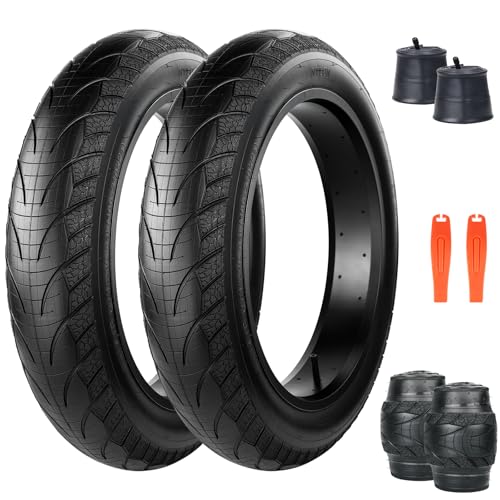
- Size: 20 x 4; 2-pack with tubes and levers
- Durability: Wear-resistant construction for urban and off-road use
- Best for: Riders seeking a robust, all-terrain fat tire pairing for E-bikes and mountain bikes
Best for riders who need a versatile, all-terrain tire for mixed winter and non-winter conditions. A caution: ensure proper rim compatibility and inflate within recommended limits.
BALINGE 16×4 Fat Tire
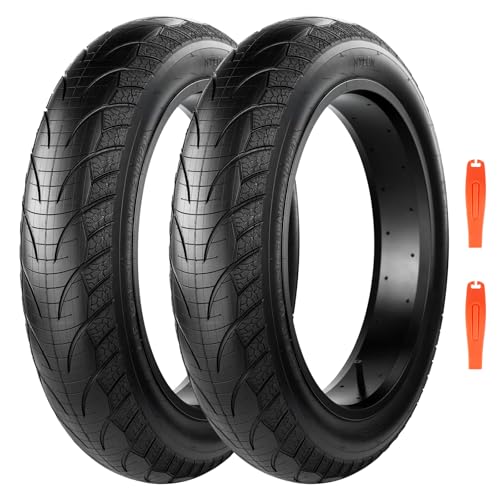
- Size: 16 x 4; Deep drainage grooves; V-shaped tread for grip
- Compatibility: Versatile for E-bikes, mountain bikes, and snowbikes
- Best for: Snowy urban commutes and wet, muddy trails
Choose this for year-round use and reliable wet-surface performance. Limitation: slightly smaller footprint than 20″ or 26″ fat tires, which may affect flotation on powder snow.
WEIYINGSI 20×4 Fat Tire

- Size: 20 x 4; Heavy-duty, puncture-resistant
- Terrain: All-terrain with emphasis on snow and rough trails
- Best for: E-bikes and mountain bikes needing resilient, all-season performance
Best for riders seeking a sturdy, 20-inch fat tire that can handle diverse winter terrains. Limitation: may require careful fitment checks on smaller frames or certain rims.
Buying Guide: Fat Tire Tires For Snow
What to consider when shopping for fat tire tires for snow:
- Rim compatibility: Check diameter and inner width to ensure proper seat and bead seating on your rim.
- Width vs. flotation: Wider tires float better on deep snow but may increase rolling resistance on packed snow.
- Studded vs. non-studded: Studded tires offer superior ice grip; non-studded tires can be lighter and smoother on pavement.
- Inflation range: Fat tires typically run at lower pressures for float; respect max PSI to avoid rim damage.
- Intended use: For icy conditions, prioritize traction-enhancing features; for dry, powdery snow, flotation is key.
- Durability and puncture resistance: Heavier-grade rubber and reinforced sidewalls reduce pinch flats in rough winter terrain.
- Foldable vs. solid: Foldable tires can save weight and storage space; all-terrain tires favor rugged trails.
Frequently Asked Questions
- Q: Are studded tires necessary for snow riding? A: They are beneficial on ice and packed snow but may wear faster on pavement; consider where you ride most.
- Q: How do I choose tire width for my fat bike? A: Wider tires improve flotation in deep snow; narrower options perform better on hard-packed snow.
- Q: What PSI should I run in fat tires for snow? A: Many fat tires perform well around 8-20 PSI depending on tire width and rider weight; consult the tire’s guidelines.
- Q: Can fat tires be used on e-bikes? A: Yes, many fat tires are designed for both standard bikes and e-bikes with appropriate clearance and mounting.
- Q: How do I maintain fat tires in winter? A: Inspect for embedded debris, check tread wear, and verify tubes and liners are intact before rides.
- Q: Do foldable fat tires perform differently from non-folding tires? A: Foldable tires can be lighter and easier to store but must be mounted and inflated correctly to avoid bead issues.