Best Fixed Blade Broadheads for Deer: Reliable Choices for Ethical, Accurate Harvest
For deer hunting, fixed blade broadheads offer dependable penetration, predictable flight, and durable construction. This guide highlights five top fixed-blade options, helps you pick the right one for your setup, and explains how to maximize performance. The best fits: KEAUP for crossbow and bow versatility; Muzzy MX-3 for compact flight and broad cut; Ramcat for field-point flight and quiet performance; TenPoint EVO-X Montec for high-speed crossbows; and New Archery Thunderhead for replaceable blades and rugged steel. Below is a quick summary to compare core traits.
| Product | Best For | Key Benefit |
|---|---|---|
| KEAUP 6 Pack Hunting Broadhead | Crossbows and compounds | 100-grain with vented design for windage reduction |
| Muzzy MX-3 Fixed Blade Broadheads | High-speed bows | 1.25″ cut for larger wound channels |
| Ramcat Fixed Broadheads (Diamondback) | High-speed accuracy | Flys like a field point, back-cut blades for durability |
| TenPoint EVO-X Montec | Crossbows | Three fixed blades, cut-on-contact for clean penetration |
| New Archery Thunderhead | Rugged, reliable | Replaceable blades, all-steel construction |
KEAUP 6 Pack Hunting Broadhead 100 Grain 420 Stainless Steel

Best for versatility and value, the KEAUP fixed-blade broadhead uses 420 stainless steel and features a three-blade design with a 1-1/8 inch cut. Its one-piece MIM construction and vented blades support stable flight and easy sharpening. This broadhead is suitable for crossbows and traditional bows alike, making it a good choice for hunters who switch setups or hunt different game. Limitations include the need for regular sharpening to maintain edge retention on tough hides.
Muzzy MX-3 Fixed Blade Broadheads 100 Grain

Best for high-speed bows, the Muzzy MX-3 uses a compact 1-1/4″ cut with three blades. Its short design reduces drift and wobble, helping arrows maintain true flight. Choose this if you shoot fast bows and want predictable grouping at longer distances. A potential limitation is that broader cuts can slightly increase drag, which may affect long-range performance in ideal conditions.
Ramcat Fixed Broadheads (Diamondback)
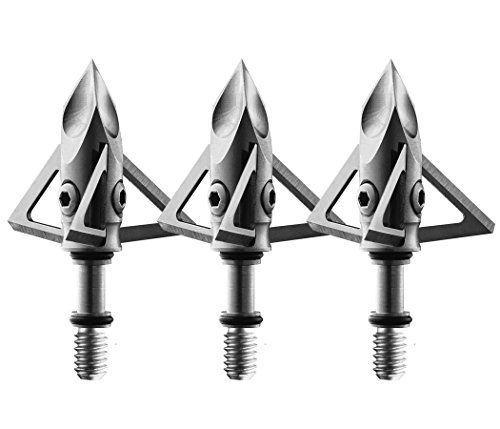
Best for field-point flight and silent performance, the Ramcat Diamondback features back-cut blades and a 0.032-inch thick stainless steel design. It aims to maximize penetration with minimal wind drift and maintains cutting power even after contact. Opt for this if you value quiet flight and reliable pass-through potential. Note that its fixed blade arrangement may require precise alignment for optimal impact on angled shots.
TenPoint EVO-X Montec Fixed Blade Broadhead
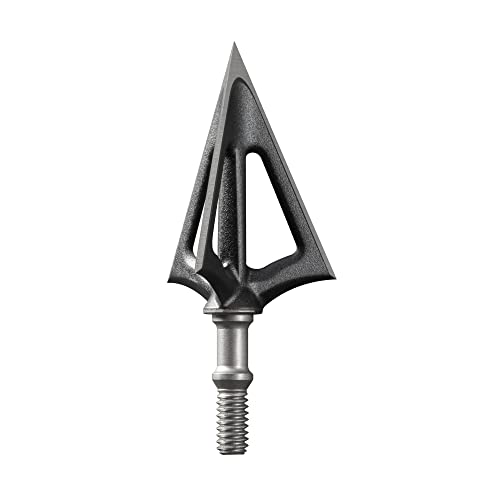
Best for TenPoint crossbows, the EVO-X Montec uses a 100-grain three-blade, cut-on-contact design with one-piece MIM construction. It delivers a devastating 1-1/8 inch cut and is engineered for high-speed stability. Choose this if your setup is a TenPoint crossbow or you prefer a proven, simple fixed-blade design that delivers consistent performance at impact. Limitation includes compatibility considerations with non-TenPoint platforms.
New Archery Thunderhead Crossbow 100 Grain

Best for rugged reliability, the Thunderhead features three replaceable blades and an all-steel construction. Its 1-3/16 inch cutting diameter provides solid wound channels, and the replaceable blades simplify maintenance between hunts. Use this if you want long-term blade durability and easy field maintenance. A caveat is blade replacement adds an extra maintenance step during the season.
Buying Guide
What to consider before buying fixed-blade broadheads for deer:
- Cut diameter: Larger cuts create bigger wound channels but can affect flight stability. For high-speed bows, a 1-1/4 inch cut is often a good balance.
- Blade count and design: Three-blade designs provide strong cutting power; two-blade options may offer cleaner penetration and weight savings.
- Material and construction: Stainless steel blades resist corrosion and maintain edge. One-piece construction can reduce blade gaps and improve penetration.
- Flight and arrow compatibility: Ensure the broadhead is compatible with your bow type (compound, crossbow) and your arrow spine.
- Maintenance: Consider how easy it is to sharpen or replace blades in the field, and whether the head is replaceable or full-blade replaceable.
- Impact angle and ethics: Fixed blades are known for predictability; match broadhead choice to typical shot angles you anticipate on deer.
FAQ
- Are fixed-blade broadheads more accurate than expandable heads?
Answer: Fixed blades tend to deliver consistent flight and predictable impact, especially at high speeds or with older equipment, while expandables rely on mechanical action that can vary with shot conditions. - What’s the advantage of a 3-blade design?
Answer: Three blades provide more cutting surface and even wound channels, improving tissue disruption and potential blood trail, balanced against potential increased drag. - How important is blade material?
Answer: Blade material affects edge retention and corrosion resistance; stainless steel is common for durability and maintenance ease. - Should I choose replaceable-blade heads?
Answer: Replaceable-blade designs can extend the life of a broadhead and simplify field maintenance, but may have slower blade changes than full-blade models. - Can fixed blades perform well on longer-range shots?
Answer: Yes, with proper tuning and practice, fixed blades can deliver stable flight closer to field points and maintain penetration on longer shots. - Which broadhead is best for a TenPoint crossbow?
Answer: The Evo-X Montec is specifically designed for TenPoint crossbows, aligning with their design and performance expectations.