Best Flotation Devices for Kids: Safe Buoyancy Options for Young Swimmers
Looking for the right flotation device for kids can be challenging. This guide highlights five reliable options that align with common safety standards and learning needs. Best for different skill levels, these picks cover Coast Guard-approved life jackets, back floats, and arm floaties. Use this to compare fit, buoyancy, and ease of use for children ages roughly 3–14. The quick reference table below helps you identify which product suits your child’s weight, swimming ability, and activity setting.
| Product | Best For | Notes |
|---|---|---|
| Oceans7 US Coast Guard-Approved Kids Life Jacket | Children needing a formal PFD for boating or pool play | Open-side design, adjustable straps |
| Swim Float Kids Back Belt EnriQ | Beginner swimmers in back-float training | High buoyancy, layers adjustable |
| Swim Float Kids Back Belt ToySharing | Growing kids learning to swim | 4-layer buoyancy, dual buckles |
| Speedo Unisex-Child Swim Flotation Vest | Casual beach or pool use with UPF protection | UV protection, secure fit |
| 10Leccion Inflatable Arm Floaties (2 Pack) | Early learners needing arm support | Easy to wear, dual airbag design |
Oceans7 Coast Guard-Approved Kids Life Jacket
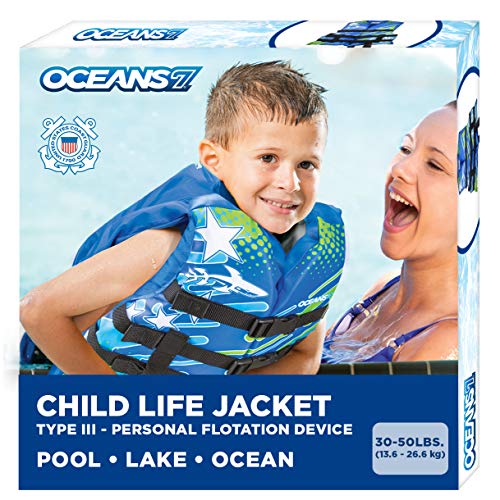
Best for: Young riders who need reliable PFD protection during boating, lake, or pool use. This Oceans7 life jacket is USCG-approved and designed to fit children who weigh 30–50 pounds with a chest size around 20–25 inches. The open-sided design and three adjustable straps help tailor the fit for comfort and safety. A potential limitation is that sizing varies by weight and chest measurement, so accurate fitting is essential before water entry.
Swim Float Kids Back Belt EnriQ

Best for: Beginners who want freedom of arm movement while learning to float. This back belt offers high buoyancy with Eco-friendly EVA and adjustable layering to match progress. The design encourages natural arm strokes by keeping hands free. Caution: the product relies on proper placement and belt tightness; ensure the belt sits securely around the waist to prevent slipping.
Swim Float Kids Back Belt: ToySharing

Best for: Progressive buoyancy training where kids gain confidence gradually. This back belt features four adjustable layers and dual buckles for a secure fit. It helps children practice floating and basic strokes without feeling restricted. Limitation: more layers mean added bulk, so ensure a comfortable fit under clothing and within pool space.
Speedo Unisex-Child Swim Flotation Vest

Best for: Pool or beach outings where UPF 50 sun protection is a priority. The vest offers comfortable, durable material and a safety leg strap for a snug fit. Choose this if you want a lightweight vest with added UV protection. Caution: not all vest styles are ideal for vigorous swimming; supervise as needed to ensure proper use.
10Leccion 2 Pack Inflatable Arm Floaties

Best for: Toddlers and early learners needing adjustable arm support. The double airbag design increases buoyancy, and the two-pack option helps families practice with a sibling. Use caution with inflation levels to avoid over-inflation and ensure a comfortable fit around the arms.
Buying Guide: Key Purchase Considerations
- Safety standards: Look for USCG approval or equivalent certifications for your child’s size. A properly labeled PFD is essential for boating or water activities.
- Fit and sizing: Use weight, chest, and height guidelines from each product. Open-side designs and adjustable straps improve comfort but require correct fastening to stay secure.
- Intended use: PFDs are better for boating and supervised water activities, while back belts and arm floaties assist learning to swim and floatation in pools.
- Buoyancy and layers: Multi-layer buoyancy aids growth and skill progression. Be mindful of bulk that could hinder movement for beginners.
- Material and comfort: Look for smooth surfaces, non-slip textures, and gentle edges. UV protection adds value for outdoor use (as with Speedo vest).
- Independence vs. supervision: Some devices are designed for more independent practice; others require close supervision for safety.
FAQ
- What age should a child use a life jacket vs. a back belt? A life jacket with CG-approved sizing is best for boating or high-water activities; back belts and arm floaties are common for learning to float and swim in pools under supervision.
- Is USCG approval required for all kids’ flotation devices? No, but it is strongly recommended for PFDs used in water activities where safety standards apply.
- Can arm floaties replace a life jacket? They assist learning but do not provide the same level of buoyancy or torso support as a properly fitted PFD.
- How do I ensure a proper fit? Check weight ranges, chest measurements, and strap adjustments. Test the device in shallow water before deeper usage.
- What if the device feels bulky? Try a different design with fewer layers or a smaller size. Comfort and freedom of movement matter for consistent use.
- Are UV-protected vests worth it for kids? Yes, especially for extended outdoor time; they reduce sun exposure during water activities.