Best Foam Padding for Golf Simulator: Safe, Durable Enclosures and Walls
The best foam padding for a golf simulator protects players, equipment, and surroundings while reducing ball rebound and noise. This guide highlights five top options that balance impact absorption, durability, and easy installation for home, training bays, and commercial setups. Whether you’re shielding enclosure edges, poles, walls, or all of the above, these picks offer practical protection for various layouts and budgets.
| Product | Best For | Key Benefit |
|---|---|---|
| VercanMonth 3 Pcs 39 Inch Golf Enclosure Triangle Bumpers | Enclosure edges and poles | Customizable, high-density foam padding for impact absorption |
| FoamTouch 2″ Thick Foam | General padding and packing | Shock absorption and easy customization |
| JOMOQ 12 Pack Golf Wall Padding Panels (20x20x2 in) | Wall protection and quiet cushioning | Layered protection with easy replacement |
| Shappy 1 Pack Golf Simulator Pole Protection Foam | Pole guards | Flexible installation around round or square poles |
| Impact sports 39” Golf Simulator Enclosure Triangle Bumpers | Triangle bumper protection | Edge-to-edge impact absorption along enclosure |
VercanMonth 39 Inch Triangle Bumpers

Best for: Enclosure edges and poles in compact or mid-size golf simulator setups. These bumpers are designed to wrap around bottom edges and poles, absorbing ball impacts and reducing rebound. The 39-inch length and hook-and-loop edge allow easy linking for continuous barriers around hard-to-protect areas. The foam is high-density for better energy absorption, helping prevent damage to enclosures and nearby equipment.
Why chosen: The set adapts to various simulator sizes, letting you connect multiple pieces to cover irregular layouts. This is a practical pick when you want a seamless barrier that doubles as edge protection and safety padding. A note: it ships compressed and needs up to 24 hours to fully expand before use.
Caution: Ensure edge connections are securely fastened to avoid gaps that could allow stray balls to rebound.
FoamTouch 2″ Thick Foam Padding

Best for: General foam padding and packaging-like protection. This 2″ thick charcoal foam offers reliable shock absorption for fragile items during shipping or storage, and it can be cut to custom shapes for unique layouts. Its stain- and impact-resistant composition makes it suitable for reuse and long-term protection in busy practice areas.
Why chosen: The foam’s versatility makes it useful beyond wall padding, enabling creative coverage for corners or custom barriers. It’s especially helpful when you need a flexible material that can be resized with a sharp knife or similar tool.
Caution: Not engineered as a dedicated wall panel; plan to pair with other panels if you need full-room coverage.
JOMOQ 12 Pack Golf Wall Padding Panels

Best for: Indoor wall protection in home theaters, gyms, or training rooms with high swing activity. Each panel combines a high-density synthetic leather exterior with a soft plush interior, delivering durable, quiet cushioning and easy cleaning. Included hook-and-loop straps simplify installation and replacement.
Why chosen: The layered design reduces noise and minimizes wall damage from fast ball impacts. The 20″ x 20″ panels are sized for straightforward coverage and flexible layout, making these panels a reliable option for long-term use.
Caution: The panels rely on secure adhesion and straps; improper installation may reduce effectiveness in high-traffic environments.
Shappy Golf Simulator Pole Protection Foam
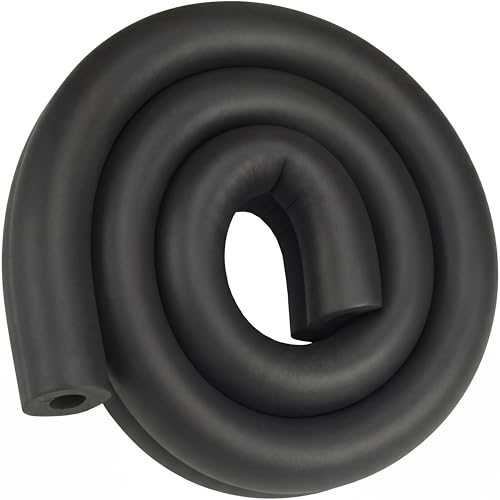
Best for: Pole-and-edge protection around enclosure supports. The 71-inch long pole guard is bendable and easy to shape around 1.5–2 inch round or square poles, using included zip ties for quick setup. The high-density foam cushions impact from golf balls and helps protect enclosure structures.
Why chosen: It offers flexible installation for various pole configurations, reducing setup time and enabling quick changes to layout. The product emphasizes dual safety for players and equipment, making it suitable for both home and commercial environments.
Caution: Ensure a snug fit around poles to avoid gaps that could affect ball rebound control.
Impact Sports Enclosure Triangle Bumpers

Best for: Enclosure edge protection with a focus on preventing bounce-back and protecting the projector enclosure. These triangle bumpers offer modular impact absorption and a polished edge appearance that suits both home setups and commercial facilities.
Why chosen: The triangle shape provides tight edge coverage, and the bumpers help reduce misdirected rebounds while maintaining a clean, professional look. They pair well with larger enclosure systems requiring robust edge safety.
Caution: Verify compatibility with your enclosure dimensions to ensure a snug fit along all edges.
Buying Guide: Key Considerations for Golf Simulator Foam Padding
- What area needs padding? Edges, poles, and walls each require different padding solutions. Consider a mix of bumpers for edges and panels for walls to maximize coverage.
- How thick should padding be? Thicker foam (2″ to 3″) offers more impact absorption but may be bulkier. For tight spaces, prioritize edge protectors with strong rebound control.
- Is installation easy? Look for hook-and-loop fasteners, zip ties, or self-adhesive panels for quick setup and replacements. Modular systems simplify resizing as your setup evolves.
- How durable is the material? High-density foam or memory foam with a PU leather surface offers good longevity and easy cleaning, especially in busy practice rooms.
- Can it handle frequent hits? For commercial venues, choose padding designed for high-traffic use with quick rebound and noise reduction.
- Maintenance and replacement: Panels with extra straps or spare parts reduce downtime and keep your protection effective over time.
FAQ
- Q: Do foam paddings reduce ball rebound effectively? A: Yes, high-density foam absorbs energy and reduces dangerous rebounds when properly installed around edges and poles.
- Q: Can padding be used for all enclosure types? A: Most paddings are adjustable for common round or square poles and standard edge shapes, but always check dimensions beforehand.
- Q: How long does foam take to expand after unboxing? A: Some bumpers ship compressed and may require up to 24 hours to fully expand.
- Q: Are these suitable for home basements or commercial facilities? A: All listed products are designed for both home and commercial environments, with features tailored to different usage levels.
- Q: Is installation difficult? A: Most options offer straightforward installation with included straps, ties, or adhesive fasteners for quick setup.
- Q: Should padding cover the entire enclosure? A: Full coverage improves safety and reduces stray impacts, but starting with edge bumpers plus wall panels often provides sufficient protection.