Best Foam Rollers for Back Relief and Recovery
Find the right foam roller to ease back tension, improve mobility, and support post-workout recovery. This guide highlights options suited for different back care needs, from deep tissue massage to gentle, beginner-friendly relief. Best for athletes, beginners, and anyone recovering from back stiffness or muscle knots.
| Product | Best For | Key Benefit |
|---|---|---|
| Amazon Basics 18″ High-Density Foam Roller | Balanced workouts and back mobility | Firm yet comfortable surface for targeted back work |
| TriggerPoint GRID 13″ Foam Roller | Deep tissue and muscle recovery | Multi-density ridges for tissue aeration |
| Amazon Basics 24″ High-Density Foam Roller | Full-back and core routines | Longer roll to cover more surface area |
| The Original Body Roller 13″ | Deep trigger point relief | 3D textured rollers with multiple massage zones |
| ProsourceFit High-Density 12″ Roller | Versatile back and full-body massage | High density with broad muscle reach |
Amazon Basics 18-Inch High-Density Foam Roller
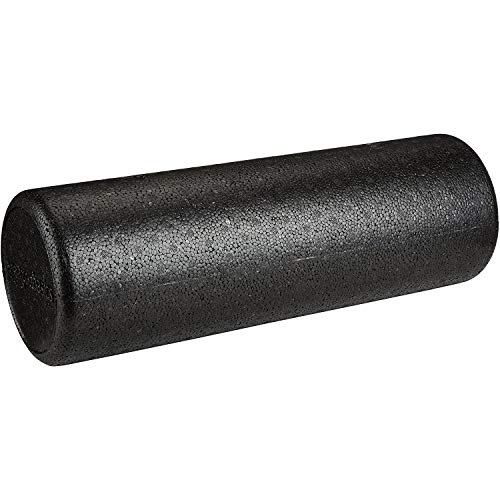
Best for: intermediate back work and general mobility. This 18-inch foam roller uses a firm, durable polypropylene core with high-density foam to maintain shape during pressure. The molded edges offer added comfort, making it suitable for back release and core integration. Choose this if you want a compact option that still covers key back areas without overwhelming your space. Caution: first-time users may experience intense pressure on very tight muscles; ease into rolling to prevent discomfort.
TriggerPoint Grid 13-Inch Foam Roller

Best for: deep tissue relief and muscle recovery. The Grid 1.0 features a multi-density surface with distinct ridges that promote tissue aeration and blood flow, aiding back muscle recovery after workouts. The distribution of ridges mimics hands-on massage, allowing you to target tight areas along the spine and surrounding musculature. Choose this if you need a more targeted, massage-like experience. Limitation: the denser surface may feel aggressive for complete beginners.
Amazon Basics 24-Inch High-Density Foam Roller

Best for: full-back coverage and longer rolling sessions. This 24-inch roller provides a larger rolling surface ideal for sweeping back rolls and core work that involve the thoracic region. The high-density foam maintains firmness under pressure, supporting more consistent back release routines. Use this for smoother, longer back strokes. Limitation: larger footprint may be less portable for travel or small spaces.
The Original Body Roller 13″
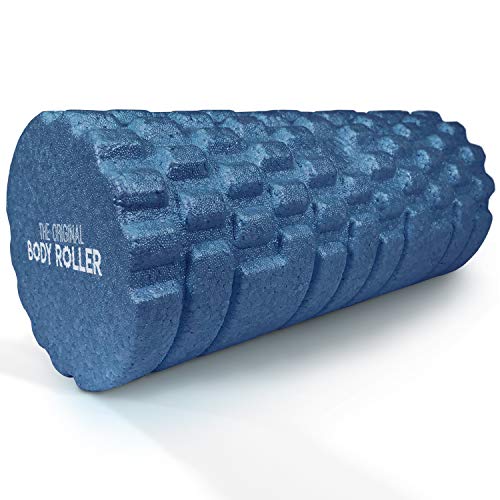
Best for: self-massage with finger-like zones. This 3D textured design includes dual grids with finger and ridged surfaces, simulating professional hands and thumbs. It’s well-suited for back and leg muscle release and can target trigger points along the spine. Choose this if you want a highly tactile, therapist-like feel at home. Caution: the dual grid design may feel intense for first-time rollers; go slowly and use supportive positions.
ProsourceFit High-Density Foam Roller 12″

Best for: back and overall muscle relief with a versatile, compact tool. The ProsourceFit 12″ roller uses a high-density core that maintains firmness under pressure, enabling deeper back massage without sacrificing stability. It’s capable of supporting various body parts, making it a flexible choice for users who want a single device to cover multiple muscle groups. Limitation: shorter length means less coverage for large back areas during one pass.
Buying Guide: Key Considerations When Choosing a Back Foam Roller
- Purpose and intensity: For beginners or sensitive backs, start with a medium density or softer surface and progress to firmer rollers to avoid excessive discomfort.
- Length and coverage: Shorter rollers (12–18 inches) are portable and space-saving; longer rollers (24 inches) offer broader coverage for the entire back and longer rolling strokes.
- Surface design: Flat surfaces target broader back areas; grid or textured designs provide deeper tissue engagement and trigger point relief.
- Durability: Look for high-density foam with a solid core to maintain shape and prevent sagging under body weight.
- Usage scenarios: Choose based on whether you want pre-workout activation, post-workout recovery, or daily mobility work.
- Weight capacity: Most high-density rollers support a wide weight range; confirm if you’re seeking heavy-duty support for advanced users.
FAQ
- What density should I start with for back relief?
Start with medium density and progress to firmer options as you become comfortable with rolling intensity. - Can a foam roller help with upper back tension?
Yes, especially longer rollers that cover both shoulder blades and the thoracic region; use controlled, smaller motions on tougher spots. - Is a textured roller better than a smooth one for back pain?
Textured/measured ridges can provide deeper tissue stimulation, but may be too intense for beginners; smooth rollers are gentler. - How often should I use a foam roller for back health?
Aim for 3–5 sessions per week, with 1–2 sessions on rest days to improve mobility and reduce stiffness. - Are foam rollers safe for people with back injuries?
Consult a healthcare professional before use if you have a known back injury or chronic pain. - What’s the difference between 12″ and 24″ rollers for back work?
Twelve-inch rollers are more portable and good for targeted spots; twenty-four-inch rollers cover more area for full-back rolling.