Best Foam Rollers and Neck Relaxers for Shoulder Tension Relief
Need fast relief for neck and shoulder tension? This guide highlights five top foam rollers and neck-stretch devices that target upper-back stiffness, improve mobility, and promote better posture. Each option is described for who it’s best for, plus practical trade-offs to help you choose. Ideal for office workers, athletes, and anyone seeking toxin-free muscle recovery at home.
Summary of selected products:
| Product | Best For | Key Benefit |
|---|---|---|
| TriggerPoint Grid 1.0 Foam Roller | Deep tissue relief, athletes | Multi-density surface for targeted muscle recovery |
| RESTCLOUD Neck and Shoulder Relaxer (Blue) | Gentle cervical traction | Ergonomic curve aligns with the spine for neck relief |
| RESTCLOUD Neck and Shoulder Relaxer (Black) | Travel-friendly traction | Same ergonomic design, versatile use |
| WANYIDA Neck and Shoulder Relaxer | Adjustable height for different users | Three-tier height adjustability for cervical support |
| Chirp Wheel XR Massage Roller | Deep tissue for whole body | High-density foam with broad relief for neck and back |
TriggerPoint Grid 1.0 Foam Roller

Features: Multi-density GRID with a three-dimensional surface to promote tissue aeration, blood flow, and optimal muscle recovery. Proprietary Distrodensity Zones provide varying ridges for both tight and soft tissues.
Best for: Athletes and active individuals who want a versatile foam roller that supports deep tissue work and mobility. This is the pick when you need a flexible tool that can adapt to multiple body parts beyond the neck and shoulders.
Why chosen: The GRID’s multi-density design targets fascia and muscle without excessive pressure, making it suitable for gradual soreness relief and shoulder mobility work. A potential limitation is that the textured surface can feel intense for beginners.
RESTCLOUD Neck and Shoulder Relaxer (Blue)
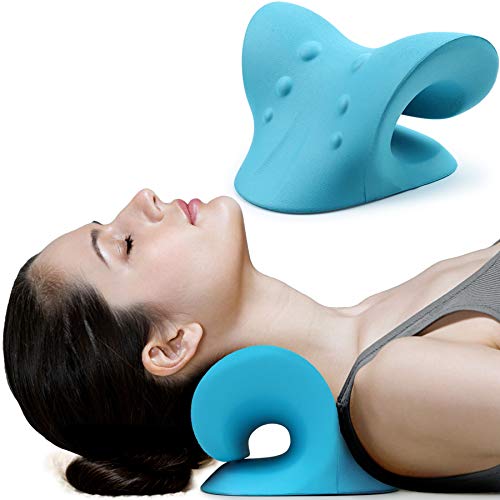
Features: Cervical traction device designed to relieve neck pain in about 10 minutes. Ergonomic curve matches the cervical spine, offering vertical and horizontal support and curvature stretch for neck traction.
Best for: People with chronic neck stiffness or posture-related neck strain who want a simple, passive stretch to restore neck curvature. It’s also suitable for those who spend long hours seated and need a quick daily relief routine.
Why chosen: The ergonomic design aligns with the cervical spine and provides a straightforward daily regimen. Caution: should be used as directed; misalignment or overextension can cause discomfort if used improperly.
RESTCLOUD Neck and Shoulder Relaxer (Black)

Features: Similar ergonomic cervical traction with emphasis on reducing spinal pressure and restoring the C-shaped neck curve. Portable and easy to use on various surfaces.
Best for: Individuals who value a compact, easy-to-use traction device that travels well. The black model offers a discreet option for home or office use.
Why chosen: Provides predictable cervical traction with a flexible positioning approach. Caution: avoid prolonged use beyond recommended times to prevent muscle fatigue or headaches in sensitive users.
WANYIDA Neck and Shoulder Relaxer

Features: Three-tier adjustable design for height customization, crafted with high-density EVA foam. Aims to relieve neck pain and tension by aligning the cervical spine and offering adjustable support for different body types.
Best for: Office workers or travelers who need a customizable level of traction and neck support. It’s also suitable for users who want a tailored fit for different neck shapes and shoulder tension levels.
Why chosen: The three-height options help tailor the stretch to comfort and effectiveness. Caution: the device may require some adjustment time to discover the optimal height and placement for your neck shape.
Chirp Wheel XR Massage Roller

Features: Deep-tissue pressure with a high-density foam wheel designed for a wide range of body parts. Supports up to 500 lbs and serves as a back, neck, and shoulder relief tool with both mobility and stability.
Best for: Individuals seeking a deep, targeted massage that can address neck tension and general mobility in a compact, travel-friendly form. It also doubles as a spine-friendly option for posture work.
Why chosen: The XR’s balance of firmness and cushioning enables controlled deep pressure. Caution: beginners should start with light pressure to avoid discomfort when first rolling along the neck and upper spine.
Buying Guide: How to Choose the Right Neck and Shoulder Roller
- Purpose and use case — Do you need passive traction for neck pain, or active foam rolling for tight shoulders? Multi-density rollers offer deeper tissue work, while traction devices focus on alignment and relief.
- Target areas — If neck tension is your primary goal, prioritize cervical alignment features (ergonomic curves, spinal channels) and adjustable supports. For broader upper-back relief, consider a versatile roller or the XR wheel that also covers shoulders.
- Pressure level — Beginners should start with softer surfaces or higher-density rollers used with gentle pressure. Those with chronic pain may benefit from denser cores and varied ridges.
- Adjustability — Height-adjustable neck rollers or configurable traction devices help accommodate different body sizes and comfort levels.
- Portability and storage — If you travel or have limited space, compact traction devices or wheels with simple setup are advantageous.
- Material and durability — Look for high-density foam, reinforced cores, and materials designed to maintain shape after repeated use.
FAQ
- Q: Can a neck traction device replace physical therapy? A: These devices can complement therapy by promoting daily gentle traction, but they should not replace professional medical advice for chronic conditions.
- Q: How long should I use a neck stretcher in one session? A: Start with 5–10 minutes, then adjust based on comfort and guidance from a healthcare professional.
- Q: Are these rollers suitable for all ages? A: Most are designed for adults; children should use devices under supervision or per pediatric guidance.
- Q: Will I experience soreness after using a roller? A: Mild soreness can occur as tissues release; reduce intensity or duration if soreness is uncomfortable.
- Q: How do I clean foam rollers? A: Wipe with a damp cloth and mild soap; avoid soaking in water to protect the inner core.
- Q: Is multi-density better than a single-density roller for beginners? A: A multi-density surface offers varied pressure, which can be gentler for beginners as you acclimate.