Best Foam Rollers for Recovery and Flexibility: A Buyer’s Guide
When speedier recovery and improved mobility matter, a high‑quality foam roller can be a game changer. This guide highlights five top foam roller options, each suited to different needs—from compact travel use to deep tissue compression. Ideal buyers include beginners who want gentle tissue release, athletes seeking post‑workout recovery, and physical therapy patients aiming to maintain range of motion. Below, you’ll find concise profiles, practical pros and cons, and clear guidance to help you compare effectively.
| Product | ||
|---|---|---|
| Amazon Basics High-Density Foam Roller, 18 Inches | High-density, Black | Beginner to intermediate; overall body use |
| TriggerPoint Grid 1.0 Foam Roller | 13″ Multi-density | Targeted deep tissue and mobility work |
| Amazon Basics High-Density Foam Roller, 24 Inches | High-density, Black | Full‑body rolling; longer reach for quads and back |
| Amazon Basics High-Density Foam Roller, 36 Inches | High-density, Black | Full‑body routines; therapy-style sessions |
| Amazon Basics 36 Inches, Blue Speckled | High-density, Blue Speckled | Full‑body mobility and core work |
Amazon Basics High-Density Foam Roller 18 Inches
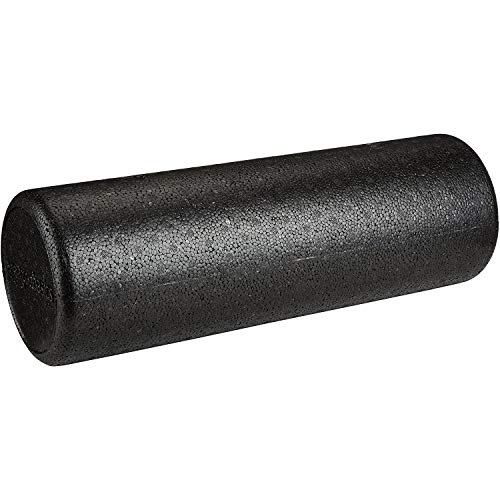
Overview: This black high‑density roller is designed for balance, strengthening, and flexibility exercises. It uses firm, durable polypropylene that maintains its shape through repeated use and features molded edges for added comfort. Best for beginners and general post‑workout use, it provides predictable pressure without excessive compression.
Who it’s best for: Fitness newcomers and anyone performing routine mobility work who wants a reliable, straightforward roller. It’s also suitable for athletes adding basic rolling into warmups or cooldowns.
Why selected: Its simple design and durable construction make it a solid all‑round option for coverage of large muscle groups like calves, quads, and glutes.
Limitations: It may feel too firm for those seeking a lighter, more forgiving roll or for sensitive areas like the upper back when untreated. Consider spending time on lighter pressure first.
TriggerPoint Grid 1.0 Foam Roller

Overview: The Grid 1.0 uses multi‑density GRID texture with a three‑dimensional surface designed to promote tissue aeration and blood flow. Its proprietary Distrodensity Zones tailor the feel for tight, sore muscles and soft tissue alike, mimicking the hands of a massage therapist.
Who it’s best for: Athletes and outdoor enthusiasts who want a deeper, more targeted massage and better muscle recovery after hard workouts. Ideal for those who appreciate varied pressure on different body parts.
Why selected: The combination of high‑density materials and varied ridges provides a more intense, massage‑like experience for hard‑to‑reach areas such as the IT band, upper back, and calves.
Caution: The diagonal ridges can be intense on very tender areas. Start with light pressure and gradually increase as comfort allows.
Amazon Basics High Density Foam Roller 24 Inches

Overview: This 24‑inch foam roller offers the same high‑density construction as the 18‑inch version but with added length for broader muscle groups and a more extended rolling surface. It’s well suited for users who want to cover more area with a single pass.
Who it’s best for: Individuals with larger frames or those who perform full‑body mobility routines that require more surface area. Great for glute, back, and leg work.
Why selected: The longer length helps maintain consistent pressure along the spine and hips, reducing the need to reposition as often.
Limitations: For casual or travel use, the longer size may be less convenient to pack, though it remains versatile at home or in the gym.
Amazon Basics High-Density Foam Roller 36 Inches
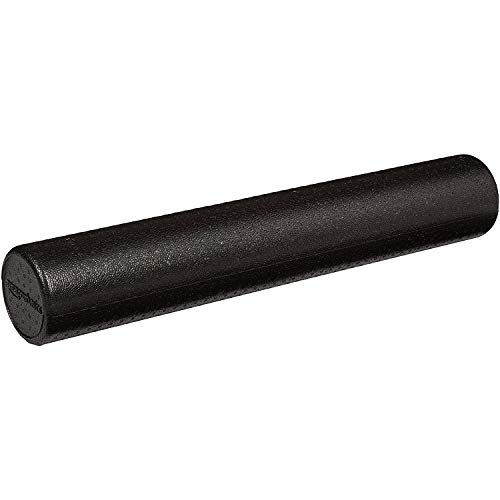
Overview: The 36‑inch version is designed for serious, therapy‑style sessions. Its length enables full‑body rolling and additional stabilization for advanced users and athletes working on posture and mobility drills.
Who it’s best for: Serious exercisers, runners, and rehab patients who benefit from longer segments and a broader stretch during rolling. Suitable for home gyms and clinics.
Why selected: The extended length supports comprehensive routines, allowing smoother coverage without frequently repositioning the roller.
Caution: A longer roller requires more space. Ensure you have a clear area to roll safely.
Amazon Basics 36 Inches Blue Speckled Foam Roller

Overview: This blue speckled 36‑inch roller mirrors the long format for full‑body recovery and mobility work. It’s designed for durability and shape maintenance under regular use, with molded edges for comfort.
Who it’s best for: Individuals who want a robust, long roller for integrated bodyweight routines, including spine‑aligned movements and larger muscle groups.
Why selected: It combines the stability of a longer roller with a classic high‑density build, making it a dependable option for steady, controlled rolling.
Limitation: The color and design are cosmetic; performance is aligned with other high‑density rollers, so choose based on length and target muscle groups rather than appearance.
Buying Guide: Key Considerations For Foam Rollers
- Density and firmness: Higher density rollers resist compression, offering a firmer feel that suits experienced users and deep tissue work. Beginners may prefer a slightly softer option to reduce discomfort.
- Length and coverage: Short rollers (12–18 inches) are portable and easy for travel, while longer rollers (24–36 inches) enable full‑body coverage and broader muscles. Choose based on body size and routine needs.
- Texture and design: Multi‑density grids or ridges provide targeted massage; smooth surfaces provide uniform pressure. Consider sensitivity and recovery goals when selecting texture.
- Durability: Look for high‑quality materials that resist deformation under daily use. A good roller maintains shape after repeated rolling sessions.
- Intended use: General mobility vs. deep tissue work. If you want professional‑style therapy at home, a multi‑density or longer model may be preferable.
- Cleaning and maintenance: Waterproof surfaces and easy‑to‑clean materials extend life and hygiene, especially when used with lotions or oils.
FAQ: Foam Rollers For Recovery
- What does “high density” mean in a foam roller?
It refers to the density and firmness of the foam or material, affecting how much it resists compression during use. - Are longer rollers better for beginners?
Not necessarily. Longer rollers cover more area but can be harder to control; beginners may start with 12–18 inch rollers and progress to longer models as comfort increases. - Can foam rolling replace professional physical therapy?
No. Foam rolling can support recovery and mobility, but it does not replace diagnosis, treatment plans, or supervised therapy. - Is rolling too hard dangerous?
Rolling with excessive pressure can irritate tissues. Use moderate pressure, and stop if you experience sharp pain. - How often should I foam roll?
Many users incorporate rolling 3–5 times per week as part of warmups or cooldowns, adjusting frequency based on comfort and recovery needs. - What is the best foam roller for back pain?
A longer roller (24–36 inches) can help maintain neutral spine during back‑focused routines, while a grid texture can provide deeper tissue work in the mid back and upper back regions.