Best Foam Rollers for Muscles: Top Picks for Recovery and Mobility
Looking for the best foam rollers for muscles to aid recovery, reduce soreness, and improve mobility? This guide highlights five top options chosen for different needs—from deep tissue relief to beginner-friendly routines. Ideal for athletes, office workers, and anyone seeking better muscle recovery, these rollers vary in density, size, and target areas to suit your routine.
| Product | Best For | Notes |
|---|---|---|
| Amazon Basics High-Density 18″ Foam Roller | General muscle recovery, balance, flexibility | Durable, maintains shape |
| TRIGGERPOINT GRID 13″ Foam Roller | Deep tissue relief, mobility | Multi-density with ridges |
| Amazon Basics High-Density 24″ Foam Roller | Full-body rolling, stability work | Longer for larger areas |
| 321 STRONG Foam Roller | Targeted myofascial release | Medium density, therapist-like texture |
| ProsourceFit High Density 12″ Foam Roller | Back and core work, versatility | High density, durable |
Amazon Basics 18-Inch High-Density Foam Roller
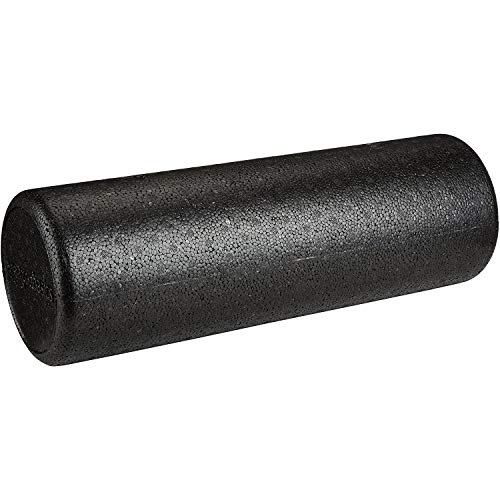
Best for: beginners and general muscle recovery. This roller provides a firm, durable surface that maintains shape under pressure, making it suitable for balance, strengthening, and flexibility routines. It is ideal for users building a base foam rolling practice and focusing on larger muscle groups such as the glutes, quads, and calves.
Key reasons to choose this: high-density construction delivers consistent pressure, molded edges offer comfort, and the 18-inch length provides adequate reach for most adults. Caution: the firmness may be intense for first-time rollers or sensitive areas; start with lighter pressure and progress gradually.
TRIGGERPOINT GRID 1.0 Foam Roller

Best for: deep tissue relief and mobility work. The GRID 1.0 features multi-density surfaces and a three-dimensional grid designed to mimic therapist hands. It helps promote tissue aeration and blood flow to accelerate recovery after intense workouts.
Why it stands out: varied ridges and nodules target different tissue depths, making it versatile for sore calves, hips, back, and shoulders. Caution: the dense surface may be challenging for beginners; begin with shorter sessions and lighter pressure.
BORNEW Foam Roller Set (Complete Recovery Kit)

Best for: comprehensive whole-body therapy and beginners who want a complete recovery toolkit. This set includes a high-density roller, a massage stick, a peanut ball, plantar fascia ball, a stretching strap, and more, delivering a full routine from back to feet.
Why it’s chosen: versatility and value for money—one kit covers most major muscle groups, with tools that support muscle relief, improved circulation, and flexibility. Caution: the full kit is larger and may require more storage space; use individual pieces as needed to avoid clutter.
Amazon Basics 24-Inch High-Density Foam Roller

Best for: bigger muscle groups and extended rolling sessions. The longer 24-inch design can cover larger surfaces in a single pass, aiding full-back, thighs, and hip flexor work.
Why it’s selected: the same durable, high-density construction as the 18-inch version with added reach. Caution: longer rollers may require more space to maneuver in tight areas.
321 STRONG Foam Roller

Best for: targeted deep tissue massage and myofascial release. This medium-density roller features a patented texture that mimics the touch of a therapist’s hands, helping to break up knots and reduce muscle tightness.
Why it’s chosen: the texture and density aim to flush lactic acid buildup and support post-workout recovery. Caution: medium density may not satisfy users seeking very firm or very soft sensations; adjust pressure accordingly.
ProsourceFit High Density Foam Roller

Best for: back and overall body use, with a focus on stability and mobility. The high-density construction provides a firmer massage, suitable for deep tissue work and core stability exercises.
Why it’s selected: offers robust support for spine-friendly rolling and a versatile tool for yoga, Pilates, and post-workout recovery. Caution: beginners may prefer a softer roller to acclimate to pressure levels gradually.
Buying Guide: Key Considerations For Choosing The Right Foam Roller
- Density vs. comfort: Higher density delivers firmer pressure, better for deep tissue work; lower density feels softer and more accessible for beginners.
- Length and surface texture: Longer rollers cover more area; textured surfaces target knots more directly, while smooth surfaces are gentler on joints.
- Intended use: Consider whether you want general recovery, specific trigger point work, or integrated mobility training (yoga, Pilates, or core work).
- Durability and maintenance: Look for closed-cell EVA foam or durable polypropylene; wipes clean easily and resists moisture and odors.
- Portability and storage: If you travel or have limited space, choose a compact option or a kit that packs neatly.
Frequently Asked Questions
- What density should a beginner use? Start with a medium to high-density roller but moderate pressure. Increase intensity gradually as tolerance builds.
- Can I use a foam roller daily? Yes, with light to moderate duration. Avoid rolling directly on joints or bones and listen to your body’s signals.
- Which areas should I roll first? Begin with the back, glutes, quads, hamstrings, calves, and hips. Avoid rolling directly on the lower spine or knee joints without guidance.
- Is a longer roller always better? Longer rollers allow more coverage but can be harder to control. Choose based on your body size and space.
- Are kits worth it? Kits offer versatility, especially for beginners needing multiple tools. For advanced users, a single high-density roller may suffice.
- How do I prevent soreness after rolling? Hydration, light movement, and a proper post-workout cooldown help minimize soreness. Start with shorter sessions.