Best Front Wheel Stands for Bike Trainers: Top Riser Blocks for Indoor Cycling
The best front wheel stand for a bike trainer helps you maintain a natural riding position, protects floors, and reduces wheel slippage during intensive sessions. This guide highlights five front-wheel riser blocks that fit common road and mountain bikes, explaining who each is best for and why. It’s ideal for indoor cyclists, home trainers, and anyone who wants a stable, floor-friendly riding setup.
| Product | Best For | Lift Height | Notes |
|---|---|---|---|
| Thinvik | Road bikes and narrow-mountain bikes | 1.4 inches | Stable, skid-resistant base; fits tires up to 1.8 inches; not for fat bikes |
| Flexzion | Most road and mountain bikes; home trainers | 1.5 inches | Rubber-padded base; prevents slipping and floor damage |
| KOM Cycling | Various trainers and wheel sizes | 3 heights | 3 height options; tapering valley for stability |
| ZLXHDL | Road, mountain, and hybrid bikes | 1.4 inches | Anti-slip base; protects rims; not for fat tires |
| Saris | Versatile front-wheel elevation | 3 levels, stackable | Stackable for up to 12 levels; strong stability |
Thinvik Bike Front Wheel Riser Block

The Thinvik front wheel riser block provides a 1.4-inch lift for cycling on indoor trainers. It fits most road tires and some narrow-tire mountain bikes up to 1.8 inches wide. The design emphasizes stability and floor protection, thanks to a skid-resistant base. Best for riders with road or narrow-mountain tires seeking a stable, simple elevation solution. Limitation: not compatible with fat bikes.
Flexzion Bike Trainer Front Wheel Block

The Flexzion block offers 1.5-inch elevation and a rubber-padded base for extra grip, reducing floor vibration and avoiding scuffs. It accommodates a wide range of tire widths typical of road and mountain bikes. Choose this if you want a solid, grip-rich stand that also protects flooring while you train indoors. Caution: ensure your tire width is within the supported range.
GEEDIAR Bike Front Wheel Riser Block
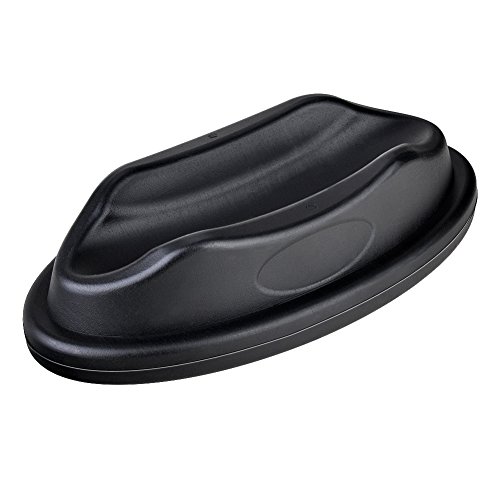
This molded plastic stand elevates the front wheel just enough to prevent sliding while you pedal, providing stable support during workouts. It emphasizes a simple, dependable design with internal stability features. Best for budget-conscious buyers who want a straightforward, no-fuss riser. Limitation: fewer height options than multi-height rivals.
KOM Cycling Indoor Trainer Front Wheel Riser Block
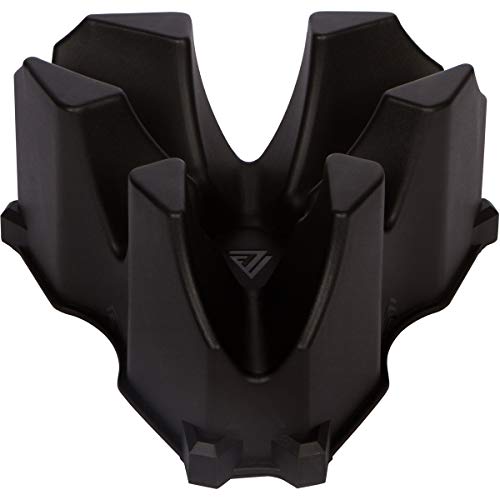
The KOM Cycling block features three heights to accommodate different trainers and wheel sizes, plus a tapering valley for broad wheel support and stability. It’s best for riders who use multiple trainers or want a flexible setup that adapts to various bikes. Avoid if you require ultra-high elevations beyond its three levels.
ZLXHDL Bike Trainer Front Wheel Block

The ZLXHDL block supports tires up to 1.8 inches and provides a 1.4-inch lift with an anti-slip base. It offers protection from rim damage and floor scratches, making it suitable for regular endurance sessions. Best for riders who want a protective, stable option with clear compatibility notes. Not compatible with fat tires.
Saris Front Wheel Riser Block

The Saris riser block is stackable and offers three levels of height, allowing up to 12 distinct training elevations when combined with additional risers. It emphasizes reliability and easy customization for different workouts. Best for serious indoor cyclists who want fine-grained control over elevation; may require extra blocks for very high climbs.
ThinkRider Cycling Indoor Trainer Front Wheel Riser Block

The ThinkRider block claims compatibility with four tire widths and multiple trainer types, offering a broad fit for mixed indoor setups. Best for users who rotate between trainers or bikes and want one adaptable riser. Limitation: ensure the four widths align with your tires to avoid fit issues.
Buying Guide: Key Considerations For Front Wheel Riser Blocks
- Compatibility: Check tire width support (commonly up to 1.4–1.8 inches) and whether your bike’s tires fall within the range.
- Height options: Decide if you want a fixed lift or multiple heights. Multi-height designs offer better adaptability for various trainers.
- Stability and floor protection: Look for anti-slip bases and rubber padding to minimize floor damage and wheel movement during high-intensity sessions.
- Material and build: Molded plastic is common; heavier blocks may feel sturdier but are less portable. Consider abrasion resistance if you train on rough surfaces.
- Ease of use: Quick setup and stackability (for Saris-style increments) can be important for changing workouts or sharing with others.
- Trail and safety notes: Some blocks are not compatible with fat bikes; confirm compatibility with your tire type before purchasing.
Frequently Asked Questions
- What is a front wheel riser block used for? – It lifts the front wheel to level the bike with indoor trainers, improving stability and riding posture.
- How high should a front wheel riser be? – Most common risers provide 1.4–1.5 inches of lift; some offer multiple heights for adaptability.
- Can I use any riser with any trainer? – Many are designed to fit a broad range of trainers, but verify compatibility with your specific trainer model.
- Will a riser block damage my floor? – Quality blocks have anti-slip bases and padded bottoms to minimize floor wear and prevent movement.
- Are risers needed for fat bikes? – No; most standard risers are not compatible with very wide fat tires.
- Is stacking risers safe? – Stacking is common in some models (like Saris) but follow manufacturer guidance to maintain stability.