Best Fungo Bats for Baseball Practice
Direct answer: for accurate fielding practice, choose a fungo bat that matches your preferred feel and use case—wooden fungos for realism and balance, maple for durability, and lighter designs for easy handling. The top five options below cover varying weights, lengths, and woods to suit both coaches and players. This guide helps buyers pick the right fungo bat for infield grounders, pop-ups, and long hits to infielders or outfielders.
| Product | Brand | Length | Material | Best For |
|---|---|---|---|---|
| Rawlings | Wood FUNGO Training Bat | Rawlings | 35″ | Northern ash | Balanced fielding practice, all-ground surface |
| Louisville Slugger K100 Fungo 36” Training Bat | Louisville Slugger | 36″ | Wood | General infield/outfield drills |
| Rawlings | Maple Training FUNGO Bat | Rawlings | 34″ | Maple | Game-like practice reps, durable |
| Mizuno Pro Fungo Bat Infield, Grey, 35″ | Mizuno | 35″ | Wood (likely ash/maple blend in line) | Infield/outfield versatility, premium finish |
| Mizuno Pro Fungo Bat, Red, 37 inch | Mizuno | 37″ | Wood | Long-reach fielding drills, wider reach |
Rawlings Wood FUNGO Training Bat — 35″

Best for players who want a traditional feel and balanced balance. Northern ash provides a natural swingweight for infield practice and grounders. Cupped barrel aids controlled contact, reducing bat whip during long-to-contact sessions. Suited for coaches and players who value fielding realism over extreme durability.
Who it’s best for: players needing a lightweight, balanced fungo for consistent grounders and pop-ups during fielding drills. Why selected: authentic ash feel with a cupped barrel for light, responsive swings.
Limitation: ash wood can wear faster under heavy use and outdoor conditions; consider proper storage and routine inspection for cracks.
Louisville Slugger K100 Fungo 36” Training Bat

Best for players who want a proven fungo with a sturdy design and reliable swing. The K100 is designed for infield and outfield drills with a balanced feel and natural wood performance. It’s suitable for coaches running routine fielding sessions and players seeking a dependable training partner.
Who it’s best for: coaches seeking a dependable, ready-to-use fungo bat for varied drill types. Why selected: established model known for consistent performance in practice settings.
Caution: wood quality varies by batch; inspect for warping or dents before practice sessions to maintain accuracy.
Louisville Slugger Maple S345 Fungo 35”

Best for players who want durability and a premium feel. Maple wood offers stiffness and a solid hit response, making it suitable for long practice sessions and repetitive drills. Colorway Silver/Black adds a professional look for infield/outfield work.
Who it’s best for: teams or individuals prioritizing maple durability and a premium feel. Why selected: maple construction tends to resist warping and maintains a stable swing weight over time.
Limitation: maple bats can be heavier than ash; ensure target length suits your swing speed to avoid fatigue in longer sessions.
Mizuno Pro Fungo Bat Infield, Grey, 35 inch

Best for versatile fielding work with a premium finish. Mizuno’s fungo design emphasizes a lightweight profile and a high gloss surface, making it ideal for players who value both performance and aesthetics during drills.
Who it’s best for: players needing a balance of infield/outfield versatility and a premium visual finish. Why selected: lightweight feel aids quick swings and precise grounders or pop-ups.
Limitation: 35-inch length may feel short for players who prefer extended reach on certain drills; consider 37 inches for longer drills if needed.
Mizuno Pro Fungo Bat Infield Teal 35″
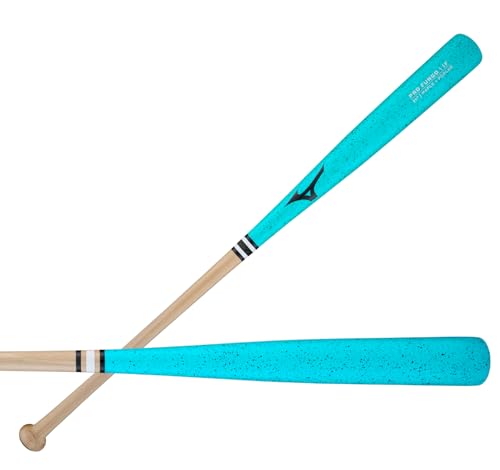
Best for players who want a consistent practice tool with a strong finish. The teal 35-inch model maintains Mizuno’s design language focusing on fielding accuracy and control. Suitable for infield/outfield drills and sharp contact work.
Who it’s best for: players seeking a premium 35-inch fungo with a modern look and controlled balance. Why selected: reliable light feel with a smooth surface for precise contact during drills.
Limitation: 35 inches may limit reach for some drills; consider a longer option if drills require extended contact range.
Jikbeed Fungo Racket

Best for coaches and parents who want a lightweight coaching tool with a training bag. The Jikbeed fungo racquet is designed to help predictably hit ground balls and line drives with a comfortable grip and reduced fatigue.
Who it’s best for: instructional settings where variety and portability matter. Why selected: includes a carrying bag and a specialized design to support practice variety.
Caution: as a racket-style fungo, it may not replicate true bat swing feel for players who prefer traditional fungo bats.
Buying Guide
What material should you choose?
- Ash: Lightweight feel, good for balance; requires care in outdoor use.
- Maple: Durable and stiff, long-lasting under heavy practice; heavier than ash.
- Wood selection affects swing weight and contact feedback; match to your players’ strength and drill type.
What length is best?
- Shorter (34–35 inches): easier to control, good for quick drills and younger players.
- Longer (36–37 inches): extended reach for infield/outfield drills, but may require more arm strength.
Should you pick a dedicated fungo or a multi-use tool?
- Dedicated fungo bats (wood or maple) provide realistic feel and control for fielding reps.
- Racket-style fungos can offer portability and added practice variations but may differ in swing feel from traditional bats.
How important is balance and weight?
- A well-balanced fungo reduces fatigue during long drills and improves accuracy for line drives and grounders.
- Weight should align with the user’s swing speed; a heavier fungo can slow down drills and reduce practice quality for beginners.
Durability and storage considerations
- Maple tends to resist wear but can be heavier; ash requires careful storage to prevent cracking.
- Store bats away from extreme temperatures and moisture to extend life.
FAQ
- Q: What is a fungo bat used for?
A: It is used to hit grounders, pop flies, and line drives during fielding practice to help players improve positioning and reaction times. - Q: Which material is best for beginners?
A: Ash can offer a lighter, easier swing, while maple provides durability for continued practice. - Q: How long should a fungo last in regular use?
A: With proper care, maple fungo bats may outlast ash bats, but all wood bats require inspection for cracks and wear over time. - Q: Is length more important than weight?
A: Both matter; length affects reach and drill versatility, while weight influences control and fatigue during extended sessions. - Q: Are racket-style fungos appropriate for all players?
A: They’re useful for coaches who want quick drills and portability, but may not replicate true bat feel for traditional hitting drills. - Q: Do I need different fungos for infield and outfield drills?
A: A 35–36 inch bat is typically versatile for both infield and outfield work, with longer options available for extended drills.