Best Golfers Elbow Braces for Weightlifting: Top 5 Picks for Pain Relief
Answering the question: what elbow brace best supports weightlifting while addressing golfer’s elbow and tendonitis? This guide highlights five reliable options that target golfers elbow and tendonitis, with clear notes on who each product is best for. Ideal for weightlifters seeking steady compression, comfort, and sweat-wicking performance, these braces help reduce pain during lifts and daily activity. The summary table below compares key points at a glance to help you decide quickly.
| Product | Main Benefit | Best For | Limitations |
|---|---|---|---|
| CAMBIVO 2 Pack Elbow Brace | Graduated compression, anti-slip, breathable 3D knit | Weightlifters needing all-day support | May run tighter on larger arms |
| Nordic Lifting Elbow Compression Sleeves | Quality, adjustable comfort, anti-slip grip | Long workouts and varied movements | Some users prefer tighter compression |
| Sleeve Stars Tennis Elbow Brace | Fully adjustable, multi-strap support | Customizable compression for many activities | May require size confirmation |
| Gymreapers Elbow Sleeves | 5mm neoprene for warmth and stability | Heavy lifting and powerlifting | Heavier material may feel warm |
| FREETOO Tennis Elbow Brace | Detachable gel pad, double pressure | Quick relief during sports | Gel pad wear can change fit |
CAMBIVO 2 Pack Elbow Brace for Golfers Elbow
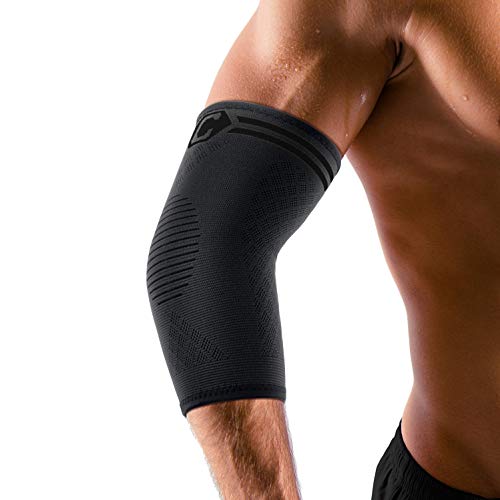
Best for weightlifters who want continuous, all-day compression without straps or Velcro. This seamless 3D-knit sleeve provides graduated pressure around the elbow joint, promoting blood circulation and reducing inflammation for golfer’s elbow and epicondylitis. The open-knit fabric enhances breathability, helping you stay cool during workouts and long shifts. The anti-slip design minimizes shifting during explosive movements and repetitive reps. Suitable for gym lifts, daily wear, and desk work. Caution: may feel snug for users with very large arms.
Nordic Lifting Elbow Compression Sleeves (1 Pair)

Best for lifters who value durable materials and a stable, customizable fit. These sleeves are crafted from nylon with spandex and latex, designed to hold compression through many washes. An anti-slip grip helps keep the sleeve in place during complex movements like bench presses or heavy curls. They deliver targeted compression to aid in muscle recovery and tendinitis relief without overly restricting motion. Limitation: some users prefer denser compression for very high-intensity days.
Sleeve Stars Tennis Elbow Brace

Best for those who want highly adjustable, multi-strap support. This elbow brace focuses on customizing compression to reduce tendon stress and protect tendons from further strain during tennis, golf, or weightlifting activities. It accommodates a wide range of arm circumferences and offers comfortable wear for extended sessions. Caution: check size guidance to ensure the right fit for optimal compression and support.
Gymreapers Elbow Sleeves

Best for heavy lifters needing warmth and joint stability without sacrificing mobility. The 5mm neoprene sleeves provide substantial compression that supports heavy lifts, such as bench press and overhead movements, while maintaining a full range of motion. They help reduce elbow fatigue by keeping the joint warm and stable. Limitation: neoprene can feel warm after long sessions in hot environments.
FREETOO Tennis Elbow Brace with Gel Pad

Best for athletes seeking quick relief with adjustable, double-pressure support. This brace uses a detachable gel pad and overlapping strap to apply targeted compression, helping relieve tendonitis and golfers elbow during sports and daily activities. It can be worn under clothing and during various sports like tennis, golf, or weightlifting. Caution: gel pad positioning may shift during intense movements; ensure proper alignment for consistent pressure.
Buying Guide
What should you consider when choosing a golfers elbow brace for weightlifting?
- Compression type: Do you prefer seamless sleeves or adjustable straps? Seamless sleeves offer comfort, while straps allow precise pressure control.
- Material and breathability: Look for moisture-wicking fabrics to stay dry during workouts and long sessions.
- Fit and size: Elbow circumference determines the best fit. Check size charts and consider whether you need a snug or relaxed fit for range of motion.
- Mobility vs support: Heavier lifts benefit from warmth and stability; lighter activities may prioritize flexibility.
- Durability and care: Reusable sleeves should withstand frequent washing without losing compression.
FAQ
- What makes a good elbow brace for weightlifting?
- How do I know my size for a sleeve or strap?
- Can I wear these braces all day?
- Do these braces work for both tennis elbow and golfer’s elbow?
- Are gel-pad braces better than fabric sleeves?
- Should I wear a brace during weightlifting warmups?
A good elbow brace should provide targeted compression, minimize shifting during lifts, be comfortable for long wear, and support recovery from golfer’s elbow or tendinitis without restricting motion.
Measure around the elbow at the widest point. Compare to the vendor’s size chart and choose the size that matches your measurement for a secure fit.
Many sleeves are designed for all-day wear, but consider your activity level and comfort. Breathable fabrics help reduce heat buildup during extended wear.
Yes, most braces target the elbow joint generally and relieve pain from tendinopathies like tennis elbow and golfer’s elbow through compression and stabilization.
Gel-pad braces offer focused pressure in specific areas, which can be beneficial during activities. Fabric sleeves provide consistent all-around compression and airflow.
Wearing a brace during warmups can help maintain joint warmth and stability, potentially reducing tendon strain as you progress into heavier sets.