Best Gravel Bikes for Beginners: Affordable Bikes That Grow With You
Looking for a gravel bike that’s friendly to new riders yet capable as you improve? This guide highlights five well-rounded options that balance value, versatility, and performance. Each bike is suited for different beginner profiles—from casual riders exploring mixed surfaces to aspiring riders aiming for longer gravel adventures. Read on to find a model that matches your goals and budgets, with practical notes on who it’s best for and potential limitations.
| Bike | Best For | Why It Stands Out |
|---|---|---|
| Tommaso Sentiero Sport | Fitness newcomers with serious goals | High-quality components and reliable Shimano drivetrain at an affordable price |
| AVASTA 700C Gravel Hybrid | City-to-trail commuters | Lightweight aluminum frame and versatile 21-speed setup |
| SAVADECK Carbon Gravel Bike (T800) | Aspiring riders wanting lightness | Ultralight carbon frame; hydraulic brakes; modern GRX-style shifting |
| SAVADECK Carbon Gravel Bike (T800, GRX400) | Riders seeking premium shifting | Carbon frame with GRX400 groupset and strong braking |
| KABON Carbon Gravel Road Bike | Performance-minded beginners | Carbon build with reliable 2×9 gearing and carbon components |
Tommaso Sentiero Sport Performance Gravel Bike
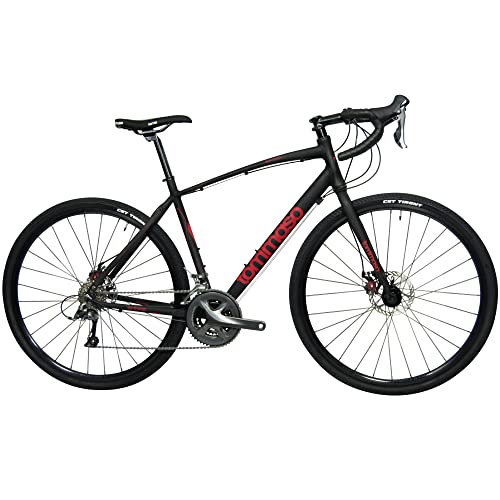
The Sentiero Sport targets riders who want strong, long-lasting parts without paying for race-grade gear. It features a more affordable performance level with a 24-speed Shimano drivetrain and reliable rapid-fire shifting. This bike is well suited for beginners who plan to ride mixed surfaces regularly and want a bike that can keep up with improving skills. Best for: riders serious about progressing quickly who still prefer a value-forward build. Caution: professional assembly is required to validate warranties and ensure optimal shifting setup.
AVASTA 700C Gravel Hybrid Bike

This AVASTA model is a practical entry option for urban riders transitioning to gravel paths. Its aluminum frame keeps weight reasonable while the 21-speed drivetrain supports a wide range of hills. It’s a strong pick for riders who value everyday usability and the ability to customize with racks or fenders. Best for: city-to-trail commuters who want a versatile, easy-to-maintain bike. Limitation: some riders may outgrow the component quality if they pursue aggressive off-road testing.
SAVADECK Carbon Gravel Bike — T800 (11-Speed)

With a carbon frame and hydraulic brakes, this model emphasizes lightness and smooth stopping. The T800 carbon, paired with a precise 11-speed system, is suited for beginners who want efficient shifts and strong braking in mixed-terrain riding. Best for: riders seeking a premium feel and endurance-ready setup. Caution: carbon frames require careful handling and regular inspection for frame-specific maintenance needs.
SAVADECK Carbon Gravel Bike — GRX400 Version

This variant uses Shimano GRX400 for more refined gravel-specific performance, including better off-road gearing control and braking feel. Best for: beginners who want a bike that truly handles gravel with confidence. Limitation: higher-end components may come at a higher price point and require careful setup and maintenance to preserve the GRX benefits.
KABON Carbon Gravel Road Bike

Designed with a carbon frame and 2×9 gearing, this model emphasizes light weight and efficient shifting. It’s a solid option for beginners who anticipate longer gravel excursions and want consistent performance on mixed surfaces. Best for: riders who value carbon’s weight savings and responsive gearing. Caution: carbon components can be more sensitive to impacts; avoid rough handling when transporting or storing.
Buying Guide
- Frame material: Carbon frames are lighter and stiffer, ideal for longer rides, but may cost more. Aluminum frames offer good strength-to-weight at a lower price and are easier to repair.
- Drivetrain complexity: 2x or 3x setups provide a wider gear range for varied terrain. For beginners, a 2x setup balances simplicity with versatility.
- Brakes: Hydraulic discs deliver consistent stopping power in wet and dry conditions. Mechanical discs are cheaper but require more effort to modulate.
- Wheels and tires: 700c wheels with 38–40mm tires are common for gravel; wider tires improve stability on rough surfaces but may roll slower on pavement.
- Component quality: Look for reputable brands (Shimano, GRX, Acera, EF500) to ensure smoother shifting and durability as you ride more challenging terrain.
- Fit and sizing: A correct frame size matters more than quick spec bonuses. Consider reach and standover height to ensure control and comfortable riding posture.
- Build intent: Beginners should prioritize bikes designed with durable components and reliable stopping power, while those aiming for longer gravel adventures can lean toward lighter frames and higher-end drivetrains.
FAQs
- What should a beginner look for in a gravel bike? A comfortable fit, a dependable drivetrain, reliable braking, and tires suited to mixed surfaces are essential for building confidence and improving quickly.
- Are carbon bikes good for beginners? Carbon frames are lightweight and efficient but can be pricier and require careful handling. For many newcomers, a well-built aluminum frame offers strong value.
- Is a gravel bike necessary for mixed surfaces? It’s not mandatory, but gravel bikes provide better stability and tire clearance for dirt and gravel paths compared with road bikes.
- Should I upgrade components immediately? Start with the stock setup; upgrade only as your needs become clearer, such as when you crave lighter weight or crisper shifting.
- How much should I ride before upgrading? Prioritize fit, comfort, and safe operation. Upgrades are typically considered after several months of consistent riding and goal alignment.
- What maintenance is typical for gravel bikes? Regular drivetrain cleaning, proper tire pressure checks, brake pad wear monitoring, and annual inspection of cables and housing help maintain performance.