Best Hand Straps for Lifting: Top 5 Straps for Grip Support
Looking for hand straps that help you push through grip fatigue during lifts? This guide compares five popular options to help lifters choose the right strap for deadlifts, rows, pull-ups, and other heavy moves. Each pick targets different needs—from padding and comfort to extra length and leather durability—so you can train with less wrist strain and more focus on powerful lifts. Below you’ll find who each strap is best for, plus concise pros and a practical caution.
| Product | Best For | Key Benefit |
|---|---|---|
| Gymreapers Lifting Straps | Lifters needing reinforced padding and grip | Neoprene padding for comfort, strong grip lock |
| Harbinger Padded Cotton Lift Straps | Lifters seeking long wrap and wrist padding | Extended length, NeoTek padding for comfort |
| COFOF Weight Lifting Wrist Strap | Leather-based support with adjustable fit | Double-layer leather, strong Velcro |
| FITFIV Lifting Straps | Durable, versatile cotton straps | High-density cotton, 4mm pad |
| Frelaxy Lifting Wrist Straps | Comfort-focused with padding and fit options | Double-layer leather, multiple colors |
Gymreapers Lifting Straps for Heavy Lifts
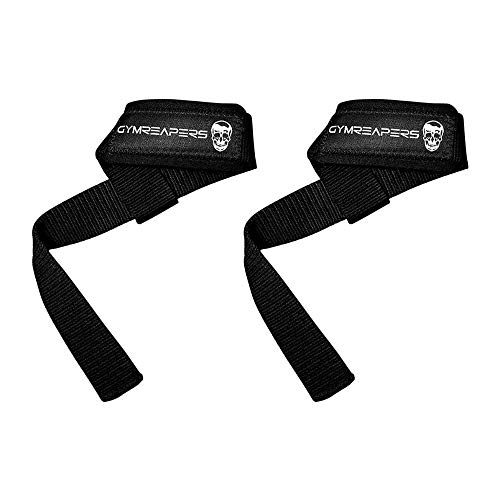
Best for lifters who push through grip fatigue on pulling movements. The plan emphasizes secure bar attachment with cotton straps and padded neoprene wrist support, helping you train heavier without losing grip. Choose this if you frequently deadlift, row, or rack pull and want to reduce forearm burn while maintaining bar control.
Pros: Cushioned neoprene padding, solid grip lock, suitable for high-rep back work. Cons: Cotton straps may wear faster under extreme long-term use compared with leather options.
Harbinger Padded Cotton Lift Straps

Best for lifters who want longer wraps and comfortable wrist padding. The Neotek padded wrist cushion reduces pressure on the wrist during heavy sets, while the 21.5″ length supports multiple wraps for a tighter hold. This option is well suited for broad back work, shrugs, and deadlifts where wrist comfort matters most.
Pros: Extended length, strong stitching, wide strap for even load distribution. Cons: Longer straps may feel bulky for lightweight sets.
COFOF Weight Lifting Wrist Straps (Leather, Pair)

Best for lifters seeking a leather-based grip with a reinforced clasp and comfortable neoprene padding. The double-layer leather provides a premium feel, while the adjustable hook-and-loop offers a secure fit. Choose this if you value durability and a solid, traditional lifting strap experience.
Caution: Leather straps may require more break-in time and maintenance to maintain grip integrity over many cycles.
FITFIV Lifting Straps With Neoprene Padding

Best for all-around training with durable cotton and a padded grip for comfort. The 20.8-inch length supports multiple wraps, balancing safety and grip. Ideal for lifters who want a reliable, breathable strap that handles a variety of lifts from deadlifts to rows.
Pros: High-density cotton with neoprene padding, secure wrap. Cons: Some users may prefer leather for heavier, long-term use.
Frelaxy Lifting Wrist Straps With Padded Leather

Best for lifters who want a cushioned, ergonomic fit with leather layers and a storage pouch. The double-layer leather and user-friendly sizing fit a wide range of wrist circumferences, offering durable support for deadlifts, rows, and pulls. Choose this if you want a premium feel with practical storage options.
Limitation: Leather construction may be stiffer until fully broken in, and care is required to maintain padding integrity over time.
Buying Guide: Key Factors To Choose Hand Straps For Lifting
What material should you choose? Straps come in cotton, neoprene padding, and leather. Cotton straps are breathable and affordable but may wear faster; neoprene padding adds wrist comfort; leather options can be premium and durable but may require care and break-in time.
Should you prefer length and wrap style? Longer straps offer tighter wraps around the bar and better load distribution, which helps in heavy sets. Shorter straps are lighter and less bulky, handy for travel or minimal wrist movement.
What about padding and wrist protection? Padding protects the wrist from pressure points during high-repetition lifts. If you lift heavy, padding reduces discomfort and helps maintain a strong grip even when forearms fatigue sets in.
How important is adjustability? Velcro and buckles that allow fine-tuning ensure a snug fit, preventing strap slippage mid-lift. A secure fit translates to improved bar control and performance consistency.
Who should use these straps? Beginners may start with simple cotton straps for grip awareness, while intermediate and advanced lifters may benefit from padded or leather options that support heavier lifts and longer sessions.
FAQ
- Are lifting straps necessary for beginners? They can help beginners learn proper form by reducing grip fatigue, but they should still focus on developing grip strength over time.
- Can I use leather straps for all lifts? Leather straps are durable and secure, but may require more break-in and maintenance compared with cotton straps.
- Which strap length is best for deadlifts? Longer straps that allow multiple wraps around the bar provide a tighter hold and distribute load more evenly for deadlifts.
- Do padded straps reduce wrist pain? Yes, padding helps reduce pressure points and friction, supporting comfort during high-rep sets.
- How should I care for my lifting straps? Clean cotton straps as needed, wipe down neoprene padding, and follow manufacturer care guidance for leather to extend life.
- What’s the main trade-off between cotton and leather? Cotton is affordable and breathable; leather offers durability and a premium feel but may require more care.