Best Handlebar Extensions for Road Bikes: Comfort, Reach, and Control
Answering the common need for more cockpit space and improved riding comfort, this guide highlights top handlebar extensions for road bikes. These accessories help riders gain extra reach, adjust riding posture, and reduce fatigue on long sessions. The featured products suit different rider types—from endurance cyclists seeking a relaxed grip to racers needing quick access to mounted gear. Each option is evaluated for ergonomic design, compatibility, and practical trade-offs to help you choose confidently.
Summary table of selected products
| Product | ||
|---|---|---|
| FIFTY-FIFTY Bike Bar Ends | Long-distance riders seeking comfortable hand positions | Durable 6061 T6 aluminum, ergonomic grip options |
| 2 Set Bike Handlebar Extender (Psiriol) | Builders needing extra mounting space on handlebars | 4-inch extension, wide compatibility |
| ONZILLO Upgraded Bike Bar Ends | Riders prioritizing extended reach and rotation | Longer length, rotating inner/outer mount |
| LITEONE Bike Stem Riser | Riders needing height adjustment without new stems | 115mm extension, adjustable gaskets |
| Lightweight, fatigue reduction on long rides | Carbon fiber composite build, ergonomic design |
FIFTY-FIFTY Bike Bar Ends, Aluminium MTB Handlebar Ends

Best for: Road cyclists who want a stable, ergonomic handhold and durable construction. These bar ends use 6061 T6 aluminum alloy to balance light weight with strength, delivering long-term durability for frequent riders. The ergonomic bend and sand-finished surface reduce vibrations and fatigue on long rides, and they fit 22.2mm / 7/8” MTB ends and standard 22mm road handlebars. Potential limitation: compatibility is best on round tubing; ovalized bars may require adapter considerations.
2 Set Bike Handlebar Extender, Psiriol

Best for: Riders needing extra mounting space and a simple, secure extension. The 4-inch/10-cm length provides a straightforward way to reposition mounted devices or create a cleaner handlebar layout. This extender is lightweight and sturdy, designed to fit most bicycle models with a secure fit. Caution: ensure the extension does not interfere with cable routing or shifters on your specific frame.
ONZILLO Upgraded Bike Bar Ends

Best for: Road and mountain riders who want extended reach with flexibility. These bar ends feature a one-piece forged aluminum construction, rustproof and corrosion-resistant. They are about 20% longer than typical bar ends (16.2 cm total), offering extended arm and shoulder comfort. They allow 180° rotation and inner/outer mounting for diverse riding positions. Limitation: inner mounting requires some setup changes and may require removing grips for installation.
LITEONE Stem Riser Bike Fork Extension

Best for: Cyclists seeking a substantial rise in cockpit height without replacing the fork or headset. This stem riser provides up to 115mm of height extension and includes gaskets to tune the fit. It is made from forged 6061 aluminum with a polished anodized finish for durability. Caution: installation requires proper alignment to avoid steering interference; ensure your head tube and fork clamp can accommodate the added height.
ZMD Bike Handlebar Extender
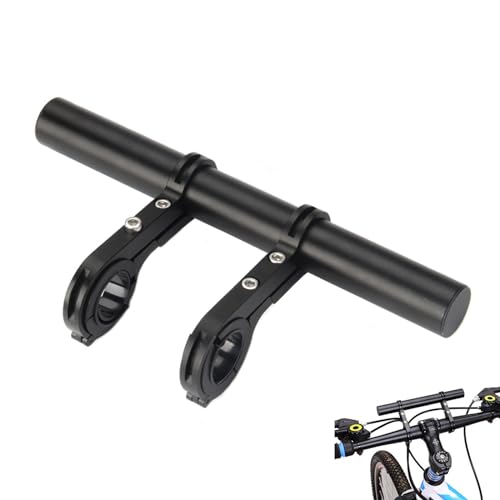
Best for: Riders needing a lightweight, versatile extender compatible with multiple handlebars. This aluminum alloy and plastic extender is designed for circular handlebars up to 31.5mm in diameter and includes a hex wrench for installation. It is not suitable for square or oval handlebars. Consider fit and installation space to prevent slippage or contact with cables; testing different mounting positions is advised.
Buying Guide: Key Considerations For Handlebar Extensions
What should you look for when choosing handlebar extensions for a road bike?
- Compatibility: Check clamp diameter (common sizes include 22.0–22.2 mm) and whether the extension fits your handlebar shape (round vs. oval). Ensure it clears shifters, brakes, and cables.
- Length and height: Longer extensions offer more reach and comfort on long rides but can alter steering feel. Height risers change riding posture; confirm your cockpit clearance and headset compatibility.
- Material and weight: Aluminum alloys like 6061-T6 balance strength and weight. Carbon fiber options reduce weight but can be pricier and more delicate.
- Mounting style: Inner vs. outer mounting, rotation range, and whether the extender requires removing grips or shifters during installation.
- Durability and finish: Look for rust-resistant coatings and weld-free construction for longevity in varied weather conditions.
- Installation effort: Some models are straightforward; others need more tool effort or frame alterations. Consider if you prefer simple upgrades or a full cockpit redesign.
What are common trade-offs with handlebar extensions?
- Increased reach may shift weight distribution and affect aerodynamics; test ride to assess comfort changes.
- Some extensions add stack height, which can impact brake lever reach; ensure lever positions remain safe and comfortable.
- Weight addition is usually minimal but can matter for competitive racers seeking the lightest setup.
Installation Tips
- Clean and inspect handlebars before mounting; remove any existing grips if required by the design.
- Use the included hardware and torque specs to avoid slippage or damage. Do not overtighten clamps.
- Check clearance after installation, especially near cables, brakes, and headset area.
FAQ
- Can I install handlebar extenders on any road bike?
Most road bikes with standard 22mm handlebars can accept certain extenders, but verify diameter, clamp design, and frame clearance first.
- Will extensions affect steering control?
Yes, adding height or extra reach can change steering feel. Test gradually and adjust if necessary.
- Are all extenders compatible with shifters and brake levers?
Compatibility varies; some models require adjustments or removal of grips to install inner mounting options.
- Which material is best for durability?
Aluminum alloys (like 6061-T6) offer a strong-to-weight balance and good corrosion resistance; carbon options are lighter but may be costlier.
- How do I know if a rise is too high for me?
Measure your current cockpit height and compare to your preferred riding posture; a gradual increase helps you adapt without compromising control.
- Do I need professional installation?
Most extenders are manageable for DIY installation with basic tools, but consult a professional if the setup involves complex routing or frame-specific requirements.