Best Protective Headgear for Soccer: Lightweight, Safe, and Flexible Options
Answering the question “What headgear is best for soccer?” this guide highlights five top options designed to protect players without hindering movement. These picks are suited for competitive players, amateurs, and parents seeking reliable head protection that won’t interfere with headers or ball control. Each product below prioritizes impact dispersion, comfort, and fit, with notes on ideal use and potential limitations.
| Product | Best For | Why Pick It |
|---|---|---|
| Unequal Halo 3 Lightweight Headgear | Players seeking ultra-light protection | 2 oz design with memory foam and aramid fabric offers 360° protection and a discreet look. |
| Storelli ExoShield Head Guard | Players needing serious impact reduction | 9mm Team Wendy Zorbium foam; meets FIFA Law 4; strong field-test performance. |
| ForceField FF Protective Headgear | Coaches and players seeking certified safety | CEII safety certification; meets ASTM and FIFA standards; strong protective profile. |
| NICEYST Lightweight Head Guard | Budget-conscious multi-sport athletes | Low-profile, breathable, adjustable; good for soccer, rugby, flag football. |
| ImpactRx Head Guard | High-mlex protection with contemporary look | 360° coverage with a headband-style design for comfort during movement. |
Unequal Halo 3 Lightweight Headgear

Best for players who want near-invisible protection, the Halo 3 weighs about 2 ounces and uses Unequal’s NURO technology in a patented composite. The coated aramid fabric and Airilon memory foam provide a snug, secure fit with 360-degree protection. It is FIFA Law 4 compliant and aims to reduce acceleration on impact. This headgear is ideal for players who value lightness and style and prefer a headband silhouette rather than a bulky helmet. A potential limitation is that ultra-light gear may offer less bulk-related protection during high-force impacts than heavier designs.
Storelli ExoShield Head Guard
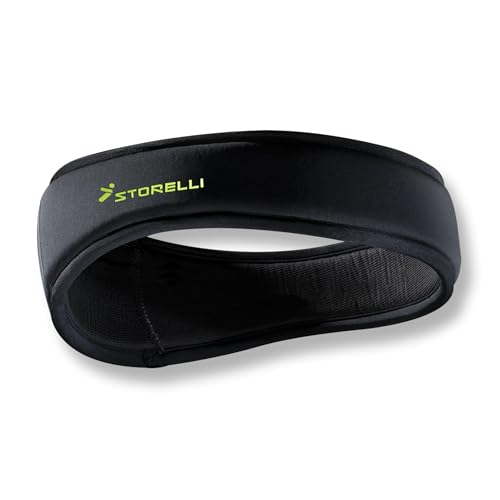
The ExoShield is built for serious impact reduction, featuring 9mm Team Wendy Zorbium foam that’s used in military helmets. It meets FIFA Law 4, NFHS, and ASTM standards and is noted for potentially reducing impact forces by a significant margin in testing. Its ergonomic, ultra-light design accommodates different hair types and ensures 360-degree protection without sacrificing mobility. Use this when the priority is maximum energy absorption, but be aware that its bulkier profile may feel less discreet under certain jerseys or headbands.
ForceField FF Protective Headgear

ForceField FF’s headgear emphasizes safety standards with CEII certification and compliance with ASTM and FIFA protective headgear standards. Its polymeric protection targets critical impact zones, making it a strong choice for youth leagues and coaching staff seeking verifiable safety credentials. The design typically prioritizes secure fit and coverage, which can mean a slightly bulkier feel compared with ultra-light models. Choose this if you want formal safety validation and broad head coverage.
Funnysoft 2 Pcs Protective Headband

While not a dedicated soccer helmet, this dual-pack headband set provides lightweight protection with soft latex foam and a durable polyester outer layer. It’s designed for comfort and a secure fit, suitable for training and casual play. This option is better for players who want affordable, quick-protection without a bulkier headgear profile. A limitation is that it may not offer the same level of impact dispersion as purpose-built soccer headgears in high-speed collisions.
Buying Guide: Key Considerations For Choosing Soccer Headgear
- Protection Level: Higher-impact designs (like memory foam and military-grade foams) offer more energy absorption but can be bulkier. Balance protection with comfort and range of motion.
- Fit And Comfort: Look for adjustable straps, breathable materials, and a snug fit that doesn’t restrict hearing or vision. Comfort is crucial for long practice sessions and matches.
- Compliance: If you play in organized leagues, ensure the gear meets FIFA Law 4 and other relevant standards (NFHS, ASTM).
- Weight And Profile: Lighter headgear improves speed and balance. Consider whether a low-profile design affects protection during headers.
- Maintenance: Materials like aramid fabric and memory foam require care to maintain performance and longevity.
- Hair And Accessories: Some designs accommodate ponytails or longer hair; check for fit around ears and back of the head.
Frequently Asked Questions
- Q: Is protective headgear required for soccer in most leagues?
A: It is not universally required, but many clubs and leagues allow or encourage protective headgear for players at various levels. - Q: Which headgear is best for headers?
A: Lighter, low-profile headgear with secure fit tends to perform best for headers, though protection levels vary by model. - Q: Can headgear affect ball handling or heading?
A: Some players notice minor changes in feel, but many designs are crafted to preserve ball control while offering protection. - Q: How should I choose between foam types?
A: Foam with memory properties (Airilon) offers a comfortable, adaptive fit, while multi-layer foams provide broader impact dispersion. - Q: Are there headgear options for multiple sports?
A: Yes, many products are designed for soccer, rugby, flag football, and other contact sports, offering versatile protection. - Q: How do I know if a size fits properly?
A: Check the manufacturer’s sizing chart and measure head circumference. Look for a snug but comfortable fit with no slipping.