Best Helmets for 4 Year Olds: Safe, Fun Picks for Little Riders
Answering the common question for parents and guardians: which helmets are best for 4-year-olds who are learning to bike, skate, or scooter? The top picks below emphasize lightweight safety, age-appropriate sizing, and kid-friendly designs. Each option is suitable for active toddlers and early elementary riders, with choices that balance comfort and protection. Use this guide to match a helmet to your child’s head circumference, activity, and growth pace. The summary table highlights the best fits for quick comparison.
| Product | Best For | Key Feature |
|---|---|---|
| Toddler Bike Helmet 2-6 Years Old – Dinosaur | Active toddlers; bike, roller, inline skating | 12 vents and dual liner for cooling and protection |
| Toddler Helmet, Bienbee | Growing kids; multi-sport use | ABS shell with thick EPS foam for multiple activities |
| OUWOER Kids Bike Helmet | Growing children; multiple sizes | Three sizes; 11 vents; meets Safety Standard for ages 5 and older |
| Besttravel Kids Bike Helmet | Young riders needing snug fit | Adjustable fit; rugged ABS shell and EPS core |
| ArgoHome Toddler Helmet Set | Complete protective gear for beginners | Dial-fit helmet with knee/elbow/wrist pads |
Toddler Bike Helmet 2-6 Years Old – Dinosaur

Best for active toddlers who ride bikes, skate, or scooter, this helmet features a lightweight polycarbonate outer shell and a dual liner system. It offers extended head coverage for added protection and 12 strategically placed vents to improve airflow. The design emphasizes durability and a sporty look in bold colors, making it appealing to kids who want to feel “cool” while staying safe. Suitable for ages in the 2-6 range, and adjustable to snugly fit a 48-54 cm head.
Who this is for: parents seeking a single helmet that grows with a small rider in daily activities. Why selected: strong safety certifications (CPSC 1203 and ASTM 1447), plus airflow that helps reduce overheating. Caution: ensure proper dial-fit adjustment before each ride to maintain secure positioning.
Toddler Helmet, Bienbee Kids Bike Helmet

Best for growing children who participate in multiple sports, Bienbee’s helmet uses an ABS outer shell with thick EPS foam to deliver reliable head protection. It’s designed for versatility, suitable for biking, skateboarding, scooters, and similar activities. Sizes accommodate a range of head circumferences as kids grow.
Who this is for: families needing a versatile, value-oriented helmet for various activities. Why selected: dual-purpose protection across scenarios. Caution: ensure the helmet is properly adjusted to avoid slipping during movement.
Kids Bike Helmet, OUWOER
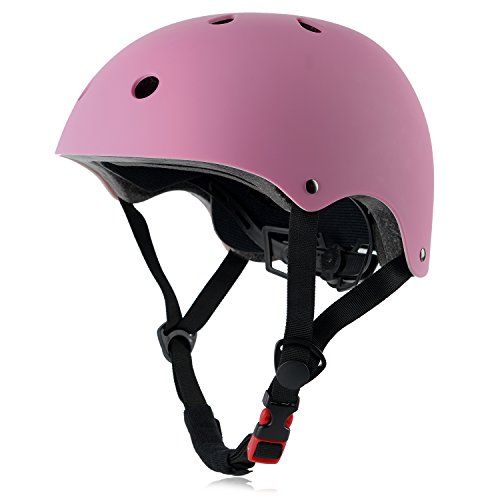
Best for households with growing riders. OUWOER offers three sizes (Small, Medium, Large) to match kids from roughly 2 to 14 years old, with 11 top and side vents to keep the head cool. The combination of ABS shell and high-quality EPS foam provides a solid level of impact absorption. It aligns with the U.S. safety standards for younger wearers and is a good step toward a longer-term helmet investment.
Who this is for: parents who want a helmet that can cover several ages. Why selected: clear sizing progression and good ventilation. Caution: confirm exact head measurement before ordering to ensure the best fit within the listed ranges.
Besttravel Kids Bike Helmet

Best for children ages 3-8 who need a snug, adjustable fit, this helmet provides a rugged ABS shell with an EPS shock-absorbing core. The design focuses on stability and durability, making it suitable for outdoor activities like biking, skating, and scooting. The adjustable fit grows with your child over several years.
Who this is for: families wanting a straightforward, sturdy helmet with a long-fitting window. Why selected: reliable protective structure and ease of adjustment. Caution: verify the fit around the temples and chin strap after any growth spurts or head changes.
ArgoHome Toddler Helmet Set

Best for beginners who want complete protection in one purchase, this set includes a dial-fit helmet plus knee, elbow, and wrist pads. The dial-fit system ensures a snug, secure fit as the child grows. The set is ideal for new riders who require head-to-toe protection during initial outdoor activities.
Who this is for: parents seeking a ready-to-go protective kit. Why selected: all-in-one gear reduces the need for separate purchases. Caution: ensure pads remain properly positioned and comfortable during movement; check regularly for wear or loosening straps.
Buying Guide
What to consider when choosing a helmet for a 4-year-old:
- Fit and size: measure head circumference; select a helmet with adjustable sizing to accommodate growth. Look for a dial-fit or adjustable straps that secure without pinching.
- Certification: prioritize helmets meeting U.S. safety standards (CPSC and ASTM) for peace of mind and consistent protection.
- Ventilation and comfort: more vents help keep little heads cooler during physical activity. Removable padding is a plus for easy cleaning.
- Durability and materials: a tough outer shell paired with EPS foam provides impact protection and longer life, especially for kids who are still learning balance.
- Activity compatibility: if multiple activities are common (biking, skating, scooting), a helmet that supports multi-sport use saves money and simplifies gear management.
- Adjustability vs. fixed sizes: choose helmets that grow with the child, but ensure the smallest size still fits securely to avoid frequent remakes.
- Protection coverage: extended head coverage can improve safety for very young riders, particularly during first rides or falls.
FAQ
- What size helmet should a 4-year-old wear? Answer: measure the head circumference and choose the size with adjustable fit; many helmets for this age range cover roughly 48-54 cm, with room to grow.
- Are multi-sport helmets worth it for kids? Answer: yes, if your child participates in biking, skating, and scooter activities, a single multi-sport helmet reduces clutter and ensures consistent protection.
- What certifications should I look for? Answer: U.S. CPSC safety standard for bicycle helmets and, when available, ASTM certification signals adherence to impact safety benchmarks.
- How should I test helmet fit? Answer: place the helmet level on the head, tighten the strap, and perform a gentle shake test. The helmet should not move more than a few centimeters and should sit low on the forehead.
- How often should helmet pads be cleaned or replaced? Answer: pads should be washable and replaced if worn, stained, or uncomfortable; check for signs of wear during regular checks.
- Can a helmet be used for different ages? Answer: some models offer multiple sizes or dial-fit systems to accommodate growth, but ensure it remains properly fitted as your child grows.