Best Laces for Soccer Cleats: Durable, No-Slip, and Style-Matching Options
Find laces that stay tied, resist wear, and fit your cleats perfectly. This guide highlights five top options ideal for players who demand dependable performance, whether you’re a youth league midfielder or a weekend-warrior striker. The recommended picks cover a range of widths, materials, and colors to suit different boot models and playing styles. Use the quick comparison table below to compare key details at a glance.
| Product | Width | Length | Best For | Note |
|---|---|---|---|---|
| UamGlsob 7MM Non-Slip | 7 mm | 47″/120 cm | High-intensity play; players who need anti-slip grip | Silicone coating for stronger hold |
| UamGlsob 5/32″ Thin Flat | 4 mm | 39″/47″/54″/63″ | Lightweight, stylish, versatile sneakers | Flat, textured weave |
| UamGlsob 5/32″ Flint Mercurial | 4 mm | 39″/47″/54″/63″ | Mercurial athletes and similar cleats | Flat, thin, compatible with Mercurial eyelets |
| Handshop Half Round 1/4″ | 6.0 mm | 45.3″ | Colorful, fashion-conscious wear | Wide color/length options |
| UamGlsob 2 Pairs 5/32″ | 4 mm | 39″/47″/54″/63″ | Two-pair value; active players | Double pack |
UamGlsob 7MM Anti-Slip Soccer Shoelaces
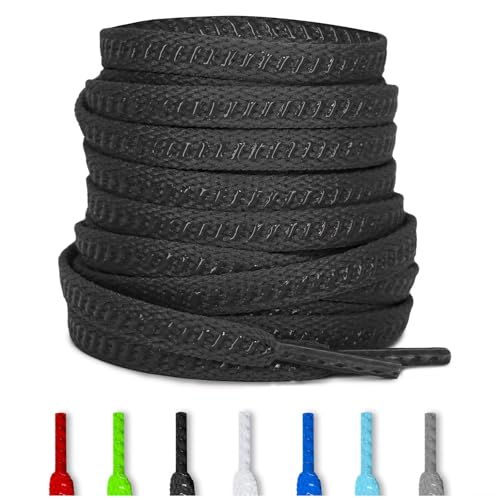
These 7mm flat laces feature a silicone grip coating designed to resist slipping during fast breaks and scrums. The package includes two laces with installation guidance for quick setup. The polyester construction offers reliability and reduced fraying, making them a solid choice for players who frequently retie mid-game.
- Best for: intense matches where mid-game retying is a disruption.
- Why selected: silicone grip strips enhance hold compared to standard laces.
- Limitation: may feel slightly stiffer than standard laces when new.
UamGlsob 5/32″ Flat Thin Laces (White/Black/Grey)

Thin 4mm laces designed for a sleek fit across most sneakers and board shoes. The weaving process provides a tighter, more textured feel for dependable comfort and a clean look. Availability in multiple colors makes them suitable for athletic and casual shoes alike.
- Best for: those who value quick lacing with a stylish appearance.
- Why selected: versatile width and good texture for a secure tie.
- Limitation: may not be ideal for very wide eyelets.
UamGlsob Mercurial-Style 5/32″ Flat Laces

Designed for Mercurial-style cleats, these flat, thin laces come in classic colorways and a precise 4mm width. The woven polyester construction aims to resist fraying and maintain a smooth feeding through eyelets, helping keep laces secure during dribbles and sprints.
- Best for: Mercurial or similar lightweight cleats.
- Why selected: slim profile reduces bunching in eyelets.
- Limitation: availability varies by color and length.
UamGlsob Two-Pair 5/32″ Laces

This pack includes two pairs of flat 4mm laces, offering extra value for players who regularly replace worn laces. The strand width and weave support a balanced blend of lightweight feel and durability, suitable for a wide range of sneakers and cleats.
- Best for: players who prefer a backup set or multi-pair option.
- Why selected: value-packed option without sacrificing build quality.
- Limitation: may not fit deeply recessed eyelets on some boots.
Buying Guide
Key considerations help you choose the right laces for soccer cleats. The following questions address common buyer needs and provide actionable guidance.
What width do I need for soccer cleats?
Widths range from about 4 mm to 7 mm. Narrower laces (4 mm) slide through eyelets more easily and suit lightweight or tightly fitting cleats. Wider laces (6–7 mm) offer sturdier grip and easier handling under high-stress play, but may feel bulkier in very tight eyelets.
What length should I look for?
Common lengths span 39–63 inches. Shorter lengths are ideal for youth or shoes with fewer eyelets; longer lengths fit boots with many eyelets or those used for lacing in more complex patterns. Always measure your cleats’ eyelet distance before replacing.
Is a silicone or standard material better?
Silikone-coated or anti-slip laces reduce mid-game retying by resisting loosening under movement. Standard polyester laces are reliable and affordable but may require retightening after extended play.
Are these laces compatible with all cleats?
Most basketball, running, and casual sneakers will work with standard flat laces. Cleats with unusually shaped eyelets or deep yet narrow channels may require a specific width or a rounded cross-section to avoid snagging.
What about color and style?
Color options help the laces match team colors or personal style. For performance-focused play, choose solid colors to minimize distraction and to maintain a clean look on the field.
Single or multi-pack decisions
Single packs are ideal for replacements after a break. Multi-packs offer better value when stocking up for teams or families, ensuring you always have a ready replacement pair in reserve.
Durability considerations
Look for tightly woven polyester with reinforced stitching and a smooth finish to reduce fraying. If you frequently play on rough fields or have aggressive lacing patterns, thicker laces may endure better over time.
Care and maintenance tips
Rinse laces with water to remove dirt, then air dry. Avoid harsh solvents that can degrade the coating on anti-slip laces. If laces begin to fray, replace promptly to prevent eyelet damage.
Frequently Asked Questions
- Do anti-slip laces really improve performance? Yes, silicone-coated laces can help prevent mid-game loosening, keeping your cleats securely fastened during movement.
- Are flat laces better than round laces for soccer cleats? Flat laces tend to sit flatter in eyelets and resist bunching, which can improve snugness and reduce snag risk.
- Can I mix colors for a unique look? Mixing colors is common for style, but for visibility and consistency, many players prefer matching laces to their cleats or kit.
- How often should I replace worn laces? Replace immediately if fraying or loss of tension is evident to protect eyelets and ensure reliable tension during play.
- Is there a preferred length for youth shoes? Youth sizes typically require shorter lengths, around 39–54 inches depending on eyelet count.
- What maintenance helps extend lace life? Regular cleaning, avoiding over-tightening, and storing laces away from sharp objects can extend life.