Best Leg Attachments for Weight Benches: Enhance Lower-Body Training at Home
Looking to upgrade your weight bench with a dedicated leg attachment? This guide identifies five effective options that fit standard benches or work well with common home gym setups. Each option targets quads, hamstrings, glutes, or calves, helping you expand your leg workout repertoire. Ideal buyers include home gym enthusiasts seeking focused leg work, rehab-focused exercisers needing stable attachments, and users who want versatile, space-saving equipment for compact setups.
| Product | Best For | Key Benefit |
|---|---|---|
| Marcy Weight Bench Accessory – Leg Developer ACC-8116LD | General lower-body work on compatible Marcy benches | Comfortable rollers and 4-position height adjustability |
| DF106 Leg Curl Leg Extension Attachment – Deltech Fitness | Isolated leg training at home | Fully adjustable pads and up to 300 lbs capacity |
| Body Solid Powerline GLDA1 Leg Developer Attachment | GFID31B & PFID130X benches | Targeted knee and thigh strengthening |
| RitFit Leg Press Attachment for Smith Machine | Smith Machine users seeking new leg angles | Unlocks new leg press positions |
| Topjum Original Dumbbell Foot Attachment | Home gyms using dumbbells for leg work | Transforms dumbbells into leg-training tools |
Marcy Weight Bench Accessory – Leg Developer ACC-8116LD

This leg developer attaches to compatible Marcy benches MWB-5511 and MWB-7096, delivering a focused lower-body workout. The vinyl-covered foam rollers provide cushioning, improving comfort during leg extensions and curls. An adjustable 4-position height setting helps accommodate multiple users for ergonomic alignment.
Who it’s best for: Home gym users with MWB-5511 or MWB-7096 benches seeking stable, comfortable leg work without adding bulky machines.
Why selected: It directly complements the Marcy bench lineup, offering a straightforward upgrade for leg rights and curls with adjustable height for varied users.
Caution: Ensure compatible bench model before purchase to avoid fit issues.
DF106 Leg Curl Leg Extension Attachment – Deltech Fitness

Deltech’s DF106 is a robust leg curl and leg extension attachment designed to fit standard home gyms. It uses a heavy-gauge steel frame with a hard chrome-plated mount, offering multiple height adjustments to fit different users. The unit supports up to 300 pounds, providing a solid option for consistent, isolated leg training.
Who it’s best for: Users who want a fully adjustable, high-capacity leg attachment that can pair with various home gym setups.
Why selected: Its strong construction and wide height range support versatile leg routines, from curls to extensions, with reliable stability.
Caution: Check compatibility with your current bench or rack mounting system before buying.
Body Solid Powerline GLDA1 Leg Developer Attachment

The GLDA1 leg developer is designed for Body-Solid GFID31B and Powerline PFID130X flat incline/decline benches. It emphasizes knee and thigh strengthening, with leg extension and curl capabilities. The unit measures 16.54in x 19.69in x 4.72in and weighs about 13.2 lb, offering a compact upgrade for compatible benches.
Who it’s best for: Buyers with compatible Body-Solid or Powerline benches looking to upgrade leg training specifically for knee and thigh muscles.
Why selected: It provides a targeted upgrade path for compatible benches, enabling effective leg curls and extensions without a full leg machine.
Caution: Not compatible with non-supported bench models; verify compatibility first.
RitFit Leg Press Attachment for Smith Machine

This leg press attachment is designed for Smith Machine cages, unlocking new leg training angles. It features a 600x360mm platform and a 13 lb build, delivering stable support for effective lower-body development. The 209 lbs capacity ensures solid performance during heavier lifts.
Who it’s best for: Smith Machine users who want a dedicated leg press option with new training angles without a standalone leg press machine.
Why selected: It expands leg training possibilities within a Smith Machine setup, enabling more dynamic ranges of motion.
Caution: Not a bench attachment; ensure your setup uses a Smith Machine compatible frame.
2pcs Monkey Foot Dumbbell Attachment for Glute Kickbacks & Leg Workouts

This pair of monkey foot attachments converts dumbbells into targeted lower-body training tools. They enable glute kickbacks, hamstring curls, and leg extensions at home. The adjustable ankle straps fit a range of foot sizes, making them versatile for beginners and advanced users alike.
Who it’s best for: Those who want to maximize dumbbell workouts for leg work without a dedicated leg machine.
Why selected: The attachments offer a compact, affordable option to diversify leg exercises using existing dumbbells.
Caution: Not a direct bench attachment; best used with dumbbells in a free-weight setup or cable system if available.
2pcs Monkey Foot Dumbbell Attachment For Glute Kickback

Another two-pack option for monkey foot attachments from Baotinu, enabling glute kicks and leg work with adjustable ankle straps. Works well for isolating glutes, hamstrings, and quads using existing dumbbells, offering a compact solution for small spaces.
Who it’s best for: Home exercisers who want flexible lower-body training using dumbbells and ankle straps.
Why selected: Provides a cost-effective way to diversify leg routines without bulky equipment.
Caution: Not designed as a direct bench attachment; primarily a free-weight accessory.
Original Dumbbell Foot Attachment
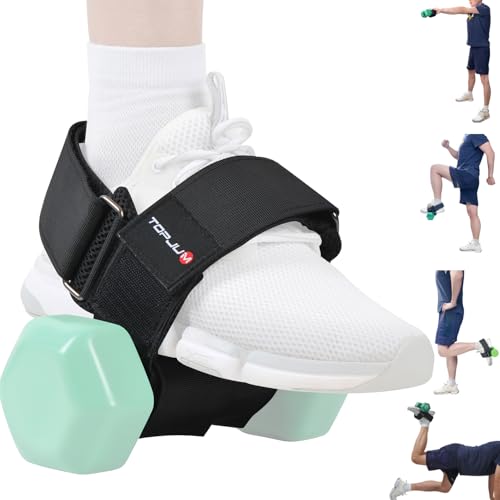
This tibialis trainer and kettlebell converter attaches to dumbbells to enable weighted leg curls, extensions, and donkey kicks. It targets glutes, hips, hamstrings, calves, and ankles, making it a versatile option for leg-focused circuits at home.
Who it’s best for: Users seeking a multipurpose accessory that expands gym versatility beyond traditional leg work.
Why selected: Combines leg training with kettlebell-like movements, enabling a broader range of exercises in one tool.
Caution: Check compatibility with your dumbbell diameter and ensure secure attachment during dynamic moves.
Buying Guide: Leg Attachments For Weight Benches
- Verify bench model compatibility before purchase. Some attachments are bench-specific, while others work with multiple setups or free weights.
- Choose based on your target area—quads, hamstrings, glutes, or calves—and whether you want isolation (leg extensions/curls) or compound moves (leg presses, donkey kicks).
- Consider weight capacity and frame construction. Higher capacities support progressive loading, while solid welds and coatings improve durability.
- Look for adjustable height, pad positioning, and angle options to fit different body sizes and range of motion preferences.
- If you have limited space, prioritize compact attachments or modular systems that store easily with your bench.
- Ensure stable mounting and proper locking mechanisms. Avoid attachments that compromise bench stability during heavy lifts.
- Weigh the cost against versatility. Some multi-function attachments offer better value for recurring use across routines.
Frequently Asked Questions
- Do leg attachments fit all weight benches? No. Many are bench-model specific; always check compatibility with your bench or rack before purchase.
- What is the main benefit of a leg developer? It provides targeted resistance for leg curls and extensions, helping isolate knee and thigh muscles.
- Can these attachments be used with free weights? Some options convert dumbbells or integrate with Smith Machines, offering free-weight versatility in addition to bench use.
- Is higher weight capacity always better? Higher capacity supports heavier progression but ensure it matches your typical load and bench stability to avoid safety issues.
- Are bow attachments necessary for beginners? Not required, but they can help beginners diversify legs workouts and learn controlled movements safely with guidance.
- Which attachment is best for glute-focused work? Monkey foot attachments and certain leg extensions/curls can target glutes effectively when combined with appropriate movements.