Best Life Jackets for Toddlers: Safe Swim Gear for Little Water Explorers
Finding the right life jacket for a toddler means prioritizing safety, fit, and comfort. This guide highlights five top toddler life jackets that meet common USCG standards and suit different water activities. Best for parents who want quick, reliable choices for pool days, boating trips, and family beach outings.
Summary table: Top toddler life jackets reviewed
| Product | Weight Range | Best For | Key Benefit | Limitations |
|---|---|---|---|---|
| Dark Lightning Coast Guard Approved Baby/Infant Life Vest | 0–30 lbs | Infants and toddlers under 30 lbs | Headrest, leg strap, grab handle for secure control | Not suitable for larger toddlers |
| Oceans7 US Coast Guard-Approved Kids Life Jacket (30–50 lbs) | 30–50 lbs | Children nearing 30–50 lbs | Open-sided design with adjustable straps | May be tight on lighter toddlers |
| SwimWays Bluey Life Jacket (33–55 lbs) | 33–55 lbs | Kids who love Bluey and swimming aids combo | 2-in-1 vest plus arm floaties for mobility | Character theme may not appeal to all kids |
| Stearns Heads-Up Life Jacket (30–50 lbs) | 30–50 lbs | Active toddlers who need neck support | Heads-up design for safer face-up flotation | Standard open-sided fit; confirm sizing |
| Speedo Unisex-Child Flotation Life Vest (Varies by size) | Typically 33–55 lbs | Casual pool and beach days | UPF 50 protection and snug fit with leg strap | Limited size availability for very small toddlers |
Dark Lightning Coast Guard Approved Baby/Infant Life Vest

Best for infants and toddlers under 30 pounds, this USCG-approved life vest provides buoyancy with a built-in headrest, a leg strap, and a top grab handle. It offers a snug, secure fit essential for supervised water activities. Choose this if you need maximum control and quick access for infants in boats, pools, or lakes. Limitation: not designed for larger toddlers or extended swim sessions without supervision.
Oceans7 US Coast Guard-Approved Kids Life Jacket (30–50 lbs)
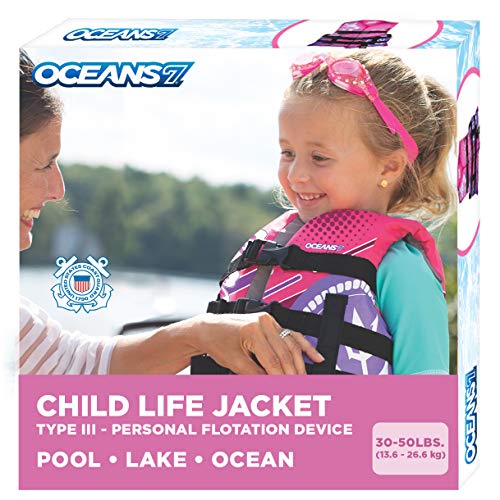
Best for children approaching or within 30–50 pounds, this Type III PFD features an open-sided design and multiple adjustable straps for a flexible fit. It suits boating, swimming lessons, and family beach days. Better for kids who need more torso room and easier arm movement. Caution: sizing varies by child height and torso, so verify fit before use.
SwimWays Bluey Life Jacket

Best for kids who weigh 33–55 pounds and love Bluey, this 2-in-1 vest combines a safety jacket with arm floaties for enhanced mobility. It’s easy to clean and comfortable for pool days and beach fun. Choose this if you want a themed option that doubles as an effective swimming aid. Limitation: not ideal for very small toddlers or those under 33 pounds.
Stearns Heads-Up Life Jacket (30–50 lbs)

Best for kids in the 30–50 pound range needing neck support, this USCG-approved Type II life vest features a heads-up design for safer face-up flotation. It’s a solid choice for pool, lake, or boating activities where upright positioning improves balance. Caution: ensure a proper snug fit as with all life jackets to prevent ride-up in water.
Speedo Unisex-Child Swim Flotation Classic Life Vest

Best for casual pool and beach days, this Speedo vest offers UV protection with leg straps to keep the vest in place. It is designed for children in the 33–55 pounds range, balancing safety with freedom of movement. Choose this if you want a lightweight, durable option that covers sun protection. Limitation: may feel loose for lighter toddlers; check fit carefully.
Buying Guide
What size should I choose?
Start with the weight range on the label. A snug fit prevents the vest from riding up. If close to the top end of a size, consider the next size up and test in shallow water with supervision.
What design features matter?
Look for a USCG approval label, a secure leg strap, adjustable torso straps, and a grab handle or neck support for better control. Open-sided designs tend to fit a wider range of body shapes.
Which features help water confidence?
Combination models with arm floaties or dual-function vests can aid beginners by offering buoyancy while allowing arm movement. For lessons, a headrest or neck support adds safety during floating.
Is look or theme important?
While a kid-friendly theme can encourage wearing the vest, ensure that safety features and fit remain the priority. Some children prefer character designs; others focus on simple, plain colors for quick recognition and fit checks.
How should I use these products safely?
- Always supervise a child near water, regardless of vest type.
- Regularly inspect buckles, straps, and seams for wear or damage.
- Replace a vest if it no longer fits properly or shows signs of tearing.
- Choose the right activity-specific vest (pool swimming vs. boating).
Frequently Asked Questions
- What is USCG approval and why does it matter for toddler life vests?
- How do I measure my child for the correct vest size?
- Are there life jackets that double as swimming aids for toddlers?
- Can I use a kid’s vest for infant use?
- What safety features should I look for beyond size?
- How should I replace a vest after rough water exposure?