Best Lifting Belts for Elderly Care and Transfers
Answering the question “which lifting belt helps safely transfer elderly patients?” this guide highlights durable, comfortable gait belts suited for caregivers and home care settings. These belts assist with transfers, standing, and walking aid for elderly or mobility-impaired individuals. Best for family caregivers, home health aides, and nursing staff seeking secure grips and adjustable fit. The top five selections prioritize multiple handles, quick-release buckles, and sturdy materials to reduce caregiver strain and enhance patient safety.
Summary table of selected products
| Product | Best For | Key Feature | Notes |
|---|---|---|---|
| Vive Gait Belt (350lbs) | Caregivers needing 7 handles | 7 padded handles, up to 51″ waist | Solid value with versatile grip options |
| COW&COW Transfer Belt | Longer transfers and bariatric needs | Up to 60″ length, 2″ width | Durable cotton webbing with secure buckle |
| Leetye Mei Gait Belt | Multi-angle transfers and therapy | 7 handles, 5″ back pad | Ergonomic design for varied positions |
| Parabound Transfer Sling | Comfortable daily mobility | Neoprene padding, Oxford cloth | Dual grip for stable transfers |
| MKEFMEI Gait Belt | Affordability with basic safety | 3 padded handles, quick wear buckle | Machine-cleanable materials |
Vive Gait Belt (350lbs) Transfer Belt

Best for caregivers who need multiple grip options. This belt offers seven padded handles to support transfers from any angle, reducing caregiver strain and helping prevent falls. Made to fit waists up to 51 inches with a sturdy metal buckle and a quick-release latch for quick removal. Suitable for elderly or bariatric patients who require stable assistance during standing or short-distance transfers.
Best for: family caregivers and home health aides managing varied transfer scenarios. Limitations: maximum weight capacity is 350 lbs; verify patient needs before use.
COW&COW Transfer Belt With Metal Buckle
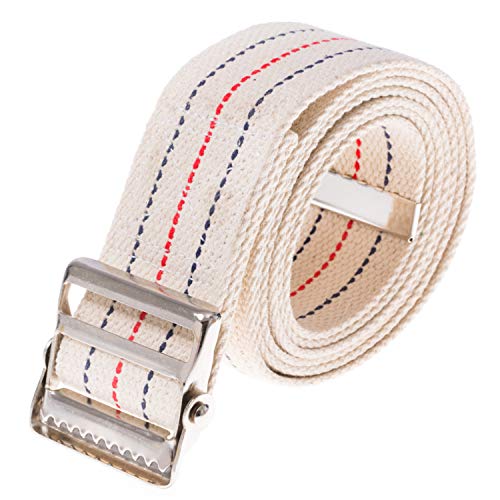
Best for longer transfers and users needing extra reach. This belt supports up to 60 inches in length with a 2-inch width and a durable nickel-chrome plated steel buckle for secure closure. Cotton webbing construction prioritizes comfort for extended wear. Choose this if you need a longer belt and a robust closure for ongoing patient mobility.
Best for: longer transfers and bariatric-friendly support. Caution: is available in multiple sizes; ensure correct length for safe use.
Leetye Mei Gait Belt With 7 Handles

Best for versatile positioning during transfers and therapy. The belt features seven handles positioned around the belt to enable transfers from multiple angles. A five-inch wide pad acts as back support and helps stabilize the patient during movement. Crafted from durable leather and breathable nylon with reinforced seams for strength and long-lasting use. Quick-wear buckle reduces setup time.
Best for: elderly patients with mobility challenges needing multi-angle support. Limitation: heavier feel due to extra padding and handles.
Parabound Transfer Sling For Elderly

Best for seamless daily mobility and easy maintenance. The transfer sling uses high-quality Oxford cloth with soft padding, offering tear resistance and comfort. It features ergonomic handles with a double grip and reinforced stitching for stability during transfers. Suitable for routine home care and clinics where simple, reliable aid is preferred.
Best for: regular transfers and soft-cloth preference. Caution: ensure the sling’s padding remains intact for consistent comfort.
MKEFMEI Gait Belt With Quick Release Buckle
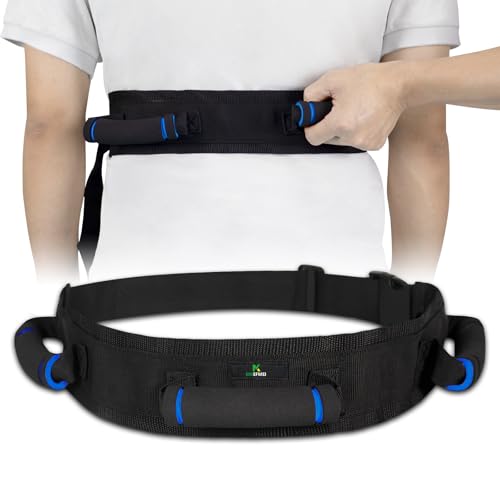
Best value option with essential safety features. This gait belt uses 80% polyester and 20% nylon, providing three padded handles for secure, multi-angle grip. The thick mesh fabric is easy to clean, and reinforced stitching strengthens the handles. A quick-release buckle enables fast setup and removal. Suitable for caregivers seeking an affordable, straightforward belt.
Best for: budget-conscious caregivers needing reliable basics. Limitation: fewer handles than belts offering seven grips.
Buying Guide: Key Considerations For Choosing A Gait Belt
What material best fits daily use?
Gait belts commonly use nylon, cotton webbing, or leather blends. Nylon and cotton are comfortable and easy to clean, while leather blends offer durability. Consider washing frequency and skin sensitivity when selecting material.
How many handles do you need?
Belt designs range from 3 to 7 handles. More handles provide greater control from different angles, especially useful for patients with limited mobility or requiring assistance from multiple positions.
What length and width matter?
Length typically ranges from 40 to 60 inches or more. Wider belts (around 2 inches) distribute pressure more evenly and may feel more stable during transfers, while narrower belts can be easier to maneuver for smaller caregivers.
How important is a quick-release buckle?
Quick-release buckles reduce preparation time and simplify removal after transfers. They’re especially beneficial during busy caregiving moments or therapy sessions.
Are there safety features to look for?
Look for reinforced stitching, rust-resistant buckles, non-slip padding, and comfortable back support to minimize caregiver strain and maximize patient comfort during movement.
FAQ
- What is a gait belt used for? A gait belt provides a secure grip area for caregivers to assist a patient during transfers, standing, and walking, reducing the risk of caregiver injury and patient falls.
- How many inches should my gait belt be? Belt length should fit around the patient’s waist with some adjustability. Many belts accommodate up to 50–60 inches, but check the product’s maximum waist measurement.
- Are gait belts safe for daily use? Yes, when used correctly with proper sizing, padding, and buckles. Ensure the belt remains intact, handles are secure, and the patient is supported at all times during transfers.
- Which belt is best for bariatric patients? Belts with longer lengths (up to 60 inches or more) and sturdy buckles, like those designed for heavier users, are preferable for bariatric transfers.
- Can gait belts be machine washed? Many belts use washable materials, but always follow the care instructions on the product to avoid degradation of buckles and stitching.
- How do I choose between 3 handles and 7 handles? Choose 7 handles for greater angle flexibility and control, especially with mobility-impaired patients. If you need a simple option, 3 handles can still provide solid support.