Best Lifting Straps for Gym: Top Picks for Grip, Comfort, and Power
Find the right lifting straps to boost grip, protect wrists, and maximize pulling power. This guide highlights five top options suited for serious lifters, bodybuilders, and gym enthusiasts. Whether you deadlift, row, or perform heavy shrugs, these straps help you push past grip fatigue and focus on target muscles. The listed products cater to both men and women, with varying materials and padding for comfort and durability. See a quick comparison below to identify the best match for your lifting style and wrist comfort needs.
| Product | Brand | Best For |
|---|---|---|
| Gymreapers Lifting Straps | Gymreapers | Heavy pulling, deadlifts, rows |
| Ekkovision Weight Lifting Straps | Ekkovision | Secure fit, durable D-ring |
| Harbinger Padded Cotton Lift Straps | Harbinger | Longer wrap, wrist comfort |
| COFOF Weight Lifting Wrist Strap | COFOF | Leather feel, adjustable neoprene |
| FITFIV Lifting Straps | FITFIV | Comfort, organized sizing |
Gymreapers Lifting Straps For Weightlifting
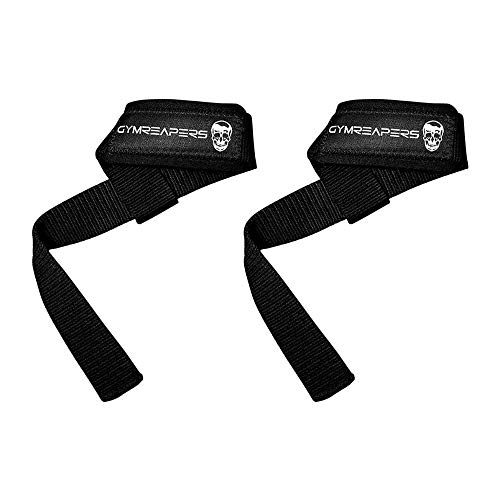
These classic cotton lifting straps lock your hands securely to the bar, allowing you to train through grip fatigue. They feature cushioned neoprene wrist padding for comfort during heavy lifts and high-rep sets. Best for lifters who want reliable grip support across deadlifts, rows, and back-focused days.
Best for: lifters who need a simple, comfortable strap with dependable grip support. Choose this if you value padding and a traditional cotton feel that won’t irritate the skin during long workouts.
Caution: Neoprene padding is durable but may wear with extremely high-volume sessions; inspect stitching regularly for signs of wear.
Ekkovision Weight Lifting Straps With Cuffed D Ring

Built with heavy-duty stitching and a durable metal D-ring, these straps emphasize a secure fit and wrist support. The thick padding minimizes friction and abrasion, making them well-suited for high-rep pulling and challenging sets.
Best for: athletes who want a robust cuffed D-ring design with reliable wrist comfort. This option is better for those who perform lengthy pulling routines and value a snug, adjustable fit.
Caution: The fit may run small for very large wrists; verify wrist measurement against listed ranges before purchase.
Harbinger Padded Cotton Lift Straps

These longer straps include NeoTek padded wrist cushions that reduce pressure during heavy lifts. The 21.5-inch length allows multiple wraps for a tighter grip, and a 1.5-inch cotton strap spreads load for stability during high-rep sets.
Best for: lifters who want extra wrap length for a secure grip and enhanced wrist cushioning during tough lifting cycles.
Caution: Longer straps can feel bulky for lighter workouts; ensure the length suits your bar setup and grip style.
Gymreapers Weight Lifting Hooks (Pair)

These lifting hooks offload grip fatigue and help you push heavier loads on pulling movements. Rated for up to 250 lbs per hook, they focus on maintaining a strong bar connection while allowing muscles like the back and lats to drive the movement.
Best for: lifters who want to limit grip fatigue on deadlifts, shrugs, and pull-ups. Choose this if you prefer hooks over straps for certain movements.
Caution: Hooks are not a substitute for straps in all lifts; some rows or pressing moves may require strap use for maximum bar contact.
COFOF Weight Lifting Wrist Strap

These double-layer leather straps with reinforced stitching and neoprene padding offer a premium feel combined with adjustable hook-and-loop length for a secure, comfortable fit. The leather construction provides a sturdy grip while reducing hand and wrist discomfort during heavy sets.
Best for: lifters who want a leather-like feel with good durability and a precise fit for both men and women.
Caution: Leather-like material may require more maintenance and checking for wear over time to maintain optimal grip.
FITFIV Lifting Straps For Weightlifting

These neoprene-padded cotton straps balance comfort and durability, with fully adjustable sizing to fit a wide range of wrists. They are designed to reduce grip fatigue while supporting heavy lifts, making them suitable for both beginners and seasoned lifters.
Best for: those seeking a comfortable, breathable cotton strap with dependable padding and adaptable sizing.
Caution: Material may be slightly bulkier for very light workouts; best when used for heavier or more consistent training sessions.
Buying Guide
- Material: Cotton straps are breathable and comfortable for long sessions; leather or leather-like straps offer durability and a premium feel but may require more care.
- Padding: Neoprene padding reduces friction and skin irritation. Consider padding thickness based on wrist sensitivity and lift volume.
- Length and width: Longer straps provide tighter wraps and better grip on heavy lifts; wider straps distribute load more evenly across the palm.
- Attachment type: Straps with D-rings or hooks differ in how they secure to the wrist. Choose based on preferred grip security and wrist comfort.
- Intended use: Some lifters favor straps for deadlifts and rows, while hooks may suit pulling movements; evaluate your dominant lifts.
- Fit and sizing: Ensure wrist circumference matches listed ranges or sizes. Adjustable closures improve stability during lifts.
FAQ
Q: Are lifting straps better for beginners or advanced lifters?
A: Lifting straps can benefit both; beginners gain grip support while learning form, while advanced lifters reduce grip fatigue to push heavier sets.
Q: Can lifting straps damage wrists?
A: When used properly with correct padding and fit, straps reduce wrist strain by distributing load and relieving grip fatigue.
Q: Should I use straps for all lifts?
A: No. Straps excel for pulling movements like deadlifts and rows; for pressing or barbell work, straps may limit bar control.
Q: How do I know which strap length to choose?
A: Longer straps allow multiple wraps for a tighter grip, which helps during heavy or high-repetition sets.
Q: Do lifting hooks replace straps?
A: Hooks are complementary. They remove grip from the equation for some movements but may not suit all lifts.