Best Neoprene Face Masks for Skiing and Snow Sports
Looking for a neoprene face mask that performs well on the slopes? This guide highlights five top options, focusing on warmth, wind protection, breathability, and comfort for skiers, snowboarders, and outdoor enthusiasts. Best for those who demand warmth and fog-free goggles, with alternatives suited for different face shapes and activities. The selection emphasizes durability, adjustable closures, and moisture resistance to keep you comfortable all day on the雪. The following table summarizes each product’s key strengths to help you compare quickly.
| Product | Best For | Why Pick It |
|---|---|---|
| Zanheadgear Full Mask Neoprene | Full-face warmth | Durable edges, thick neoprene, secure closure |
| Zanheadgear Half Mask Neoprene | Lower face warmth | Lightweight and adjustable, good for mobility |
| WTACTFUL Balaclava Ski Mask | Breathable warmth | Fleece lining with vented neoprene for reduced fog |
| Seirus 6805 Original Neoprene Mask | Maximum warmth | Neofleece lining for warmth and protection |
| Grace Folly Neoprene Half Mask | Versatile protection | Water-resistant shell with fleece interior |
Zanheadgear Full Mask Neoprene Black

Features: Nylon bound edges offer durability and comfort. The mask uses 2mm thick elastic nylon-lined neoprene for thermal insulation and protection against water and abrasion. It includes an adjustable hook & loop closure for a personalized fit. Best for skiers who want full-face warmth and secure closure during windy descents. This mask is suited for riders who value robust edge construction and easy adjustability. A limitation is that it may feel bulky for very active, high-mobility use on milder days.
Zanheadgear Half Mask Neoprene Black
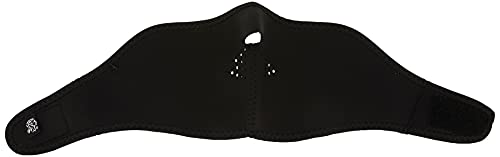
Features: Nylon bound edges for durability and comfort, 2mm thick elastic nylon-lined neoprene provides thermal insulation and protection against water and abrasion. An adjustable hook & loop closure allows quick size changes. Best for skiers who want lower-face protection with a lighter feel and easier breathability. Choose this if you prioritize less coverage with reliable warmth. Limitation: less full-face protection compared to a full mask on extremely windy days.
WTACTFUL Balaclava Ski Mask For Men
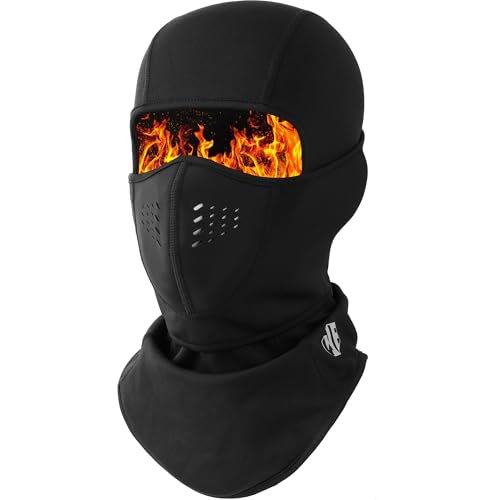
Features: Adjustable fleece balaclava with a movable face cover for eating or drinking. Vented neoprene panel reduces fogging and improves airflow, making it ideal for snowboarding, cycling, and motorcycling in cold weather. Best for those who want a breathable, warm option that can adapt on the fly. Limitation: may feel bulkier due to the two-layer design on very mild days.
Seirus Innovation 6805 Original Neoprene Mask
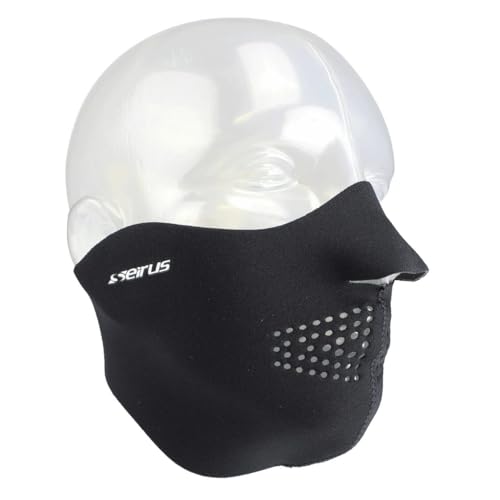
Features: Neofleece fleece-lined neoprene provides maximum warmth and protection. Certified non-toxic neoprene adds a safety dimension. Best for skiers facing extreme cold or windchill who need consistent warmth. Better for mountaineering or high-altitude days where insulation matters most. Limitation: fleece lining may be less breathable during intense exertion, potentially leading to moisture buildup in milder conditions.
Grace Folly Neoprene Winter Half Mask
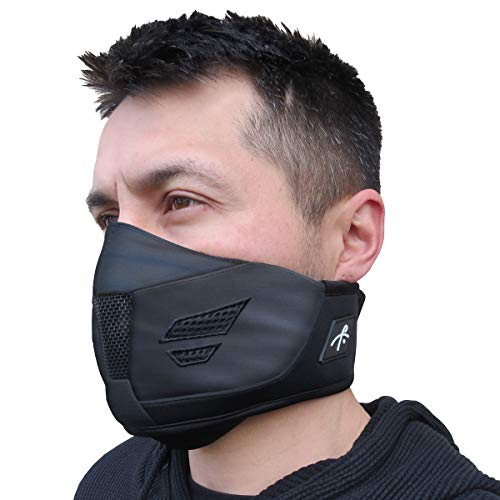
Features: Neoprene with a water-resistant shell and warm fleece interior for staying dry and warm. Breathable air vents allow comfortable respiration without overheating. Versatile for skiing, snowboarding, and even motorcycle rides in winter. Best for skiers who want a balance of warmth and ventilation. Avoid this if you need full-face coverage in extremely windy environments, as coverage is partial.
Buying Guide: Key Purchase Considerations
- Coverage vs. Breathability: Full-face masks offer more warmth, while half masks improve airflow and mobility. Choose based on wind exposure and exertion level.
- Material and Lining: Look for neoprene thickness (1.5–3 mm common) and fleece or Neofleece linings for warmth and moisture management. Fleece liners add warmth but can reduce breathability.
- Closure and Fit: Adjustable hook-and-loop closures help accommodate helmets and hats. Ensure a snug fit to prevent heat loss and fogging.
- Ventilation: Masks with perforations or breathable panels reduce fogging on goggles, improving visibility on the slopes.
- Durability: Nylon-bound edges, reinforced seams, and sturdy closures improve longevity during winter sports.
- Use Case: For extreme cold or wind, prioritize full-coverage designs with robust insulation. For mild days or high-intensity activity, prioritize breathability and mobility.
FAQ
- What is neoprene best used for in ski masks?
Neoprene provides insulation, water resistance, and wind protection, helping to keep the face warm in cold conditions. - Should I choose a full-face or half-face neoprene mask for skiing?
Full-face offers maximum warmth and wind protection; half-face offers better breathability and mobility. - Do neoprene masks fog goggles less than fabric masks?
Masks with vented panels or breathable perforations help reduce fogging on goggles. - Are fleece-lined neoprene masks worth it for very cold days?
Yes, fleece lining adds warmth, but monitor moisture; in high-intensity activity, breathability matters. - How should I care for neoprene ski masks?
Rinse with cool water after skiing, air dry away from direct heat, and avoid harsh detergents that can degrade material. - Can these masks be used for activities other than skiing?
Yes, they are suitable for snowboarding, snowmobiling, cycling, and other cold-weather outdoor activities.