Best Peep Sights for Rifles: Improve Precision With These Receiver and Front Sights
Peep sights offer quick target acquisition and reliable aiming in various lighting. This guide highlights five top-performing rifle peep sights suited for different rifles and shooting goals—from big-game hunting to precision plinking. The best choice depends on your firearm, how you mount sights, and whether you value quick daylight visibility or micro-adjustment precision. The buyer types below include hunters, competitors, and tactical shooters who want solid durability and simple setup.
| Product | Best For | Key Benefit |
|---|---|---|
| Williams 5D Series 94/36 Receiver Peep Sight | Big-game hunters with Winchester and Marlin rifles | Durable alloy, adjustable windage/elevation |
| Visiofire Flip Up Fiber Optic Sights | AR-style setups needing fast transitions | Low profile, quick deploy, red/green fiber optics |
| Williams FP-AG Receiver Peep Sight | Precision shooters with dovetail receivers | Target knobs, strong visibility |
| Williams Western Precision FP Series | Hunting and competition requiring micro-adjustments | Micro-adjustments, lightweight |
| Williams WGRS-54 Receiver Peep Sight | Savage/Anschutz and similar bolt actions | Compatibility with front fiber sight, lightweight |
Note: The products listed here are sourced from Amazon listings and reflect common configurations for typical receiver peep sights. When choosing, consider receiver compatibility (dovetail vs. integral mounts), the type of front sight you prefer (fiber optic vs. globe), and whether you need adjustable windage or elevation. The following sections discuss each option in detail and include practical buying guidance.
Williams 5D Series 94/36 Receiver Peep Sight
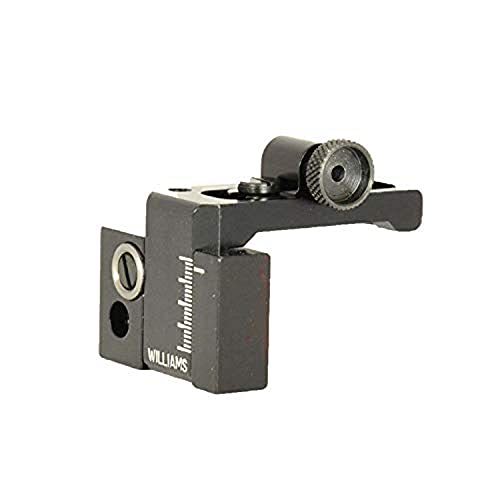
The Williams 5D Series 94/36 is designed for big-game rifles and fits Winchester 94 top-eject models and several Marlin and Winchester variants. Best for shooters who want a rugged, long-lasting sight with positive windage and elevation locks. The high-grade alloy and anodized finish add a hard-wearing surface for field use. Choose this if you require solid adjustability and compatibility with classic lever-action platforms. A limitation is mounting specificity; verify dovetail compatibility on your receiver before purchase.
Visiofire Fiber Optic Iron Sights (Picatinny)

Visiofire offers flip-up front and rear fiber optic sights that sit compactly on Picatinny rails. Best for quick target acquisition in dynamic shooting. The red and green fiber optic highlights help with fast alignment in varied lighting, and the low profile design keeps the optic footprint minimal. It’s a strong choice when you want backup sights that deploy without tools. Caution: Ensure your rail system supports the specific spacing and that there is enough clearance for the sights alongside your primary optic.
Williams FP-AG Receiver Peep Sight with Target Knobs

This FP-AG model is crafted for dovetail-grooved receivers and emphasizes unmatched visibility at longer distances. It pairs with a front fiber optic sight for fast alignment. Best for precision-focused shooters who want clear reference points and stable lock engagement. A potential limitation is that this sight is more utility-focused than anything else—users with non-dovetail receivers may not be able to mount it without adapters.
Williams Western Precision FP Series Micro-Adjust

Micro-adjustment capabilities define the FP Series, with internal micrometer dials and positive locks for windage and elevation. Best for hunters and competitors who need precise sight alignment and repeatable settings. The combination with a skeletonized front globe enhances light transmission for brighter targets. Be mindful that some models use a two-piece design for perfect alignment, which may slightly increase installation time.
Williams WGRS-54 Receiver Peep Sight

The Williams WGRS-54 emphasizes light aluminum alloy construction with strong open sight visibility at longer ranges. It’s compatible with front fiber optic sights and fits several popular bolt-action configurations (Savage-Anschutz, Remington, Winchester). Best for shooters who want a lightweight sight with reliable daylight performance. Limitation: front-sight compatibility varies by rifle model, so verify the exact match before purchasing.
Williams WGRS-63330 RU22 With Front Sight
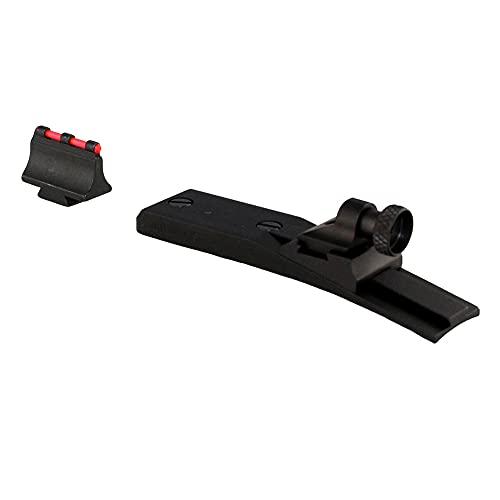
WGRS-RU22 is designed to fit 10/22 and similar models, featuring a compact rear peep with a front sight. Installation often uses existing screws or a dovetail setup, and the aluminum alloy construction provides durability without excess weight. Best for users who want a simple, retro-style setup on rimfire platforms. A caveat is that some installation steps rely on the rifle’s existing hardware, so check your receiver’s configuration first.
Williams WGRS-336 Rear Peep Sight

The WGRS-336 uses a small fiber optic rod in a sturdy steel base for a bright front bead. Aluminum alloy construction offers light weight and strong durability. The rear sight is fully adjustable without requiring drilling or tapping, making it a straightforward upgrade for many rifles. Best for rimfire and small-to-medium caliber applications where reliable visibility and ease of adjustment are priorities. Limitation: may not fit non-standard receivers or require specific mounting hardware on older rifles.
Buying Guide
- Receiver compatibility: Verify if the sight uses dovetail, top-eject, or specific receiver styles. Some Williams models are tailor-made for particular rifles, while others are more universal with adapters.
- Front sight type: Fiber optic vs. globe. Fiber optics offer quick target hot-points; globes provide precise elevation and windage checks at distance.
- Adjustability: Decide between fixed vs. micro-adjustment. Micro-adjustments improve precision for competition and long-range shooting, but may require more setup time.
- Weight and profile: Lighter sights reduce bulk and preserve balance but may limit durability in harsh field conditions.
- Mounting considerations: Confirm screw patterns, rail types (Picatinny vs. proprietary), and whether a front sight is needed for full functionality.
- Durability and finish: Anodized finishes protect against corrosion and wear; high-grade alloys tend to endure field use better.
FAQ
- What is a peep sight best used for?
Peep sights provide quick alignment and improved long-range visibility on open iron sights, especially on lever and bolt actions. - Do peep sights work with optics?
Many peep sights are designed as backup options for firearms that already have a primary optic or for models without optics. - Are all peep sights adjustable?
Most active peep sights offer windage and elevation adjustments, but some older models have fixed settings. - How do I choose between fiber optic and standard peep sights?
Fiber optics improve visibility in daylight and at speed; standard peep sights provide solid long-range reference in low light when paired with a front sight. - Can I mount these on any rifle?
Compatibility depends on receiver type and mounting hardware. Always verify dovetail or rail compatibility before purchase. - What maintenance do peep sights require?
Keep screws tight, check alignment after heavy use, and periodically clean optic surfaces if present.