Best Pitch-Back Nets for Baseball: Top Rebounder Nets for Solo Practice
Answering the needs of players practicing alone, these pitch-back nets return throws, grounders, and line drives for consistent drills. Best for youth players, beginners, or anyone refining fielding and pitching accuracy without a partner. The selection below emphasizes durability, adjustable returns, and portability to fit backyards, driveways, and training spaces.
| Product | Best For | Key Benefit |
|---|---|---|
| ZivPlay Baseball Rebounder Net 4×4.5 Ft | Solo practice & timing | 3 rebound angles for versatile drills |
| Franklin Sports Pitch Back Rebounder & Switch Hitter | All-in-one training | Two-in-one rebounder and target with switch hitter |
| GoSports 5 x 3 ft Pitch Back Rebounder | Independently practicing | Compact frame with sturdy stability |
| SKLZ Fielding Trainer | Grounders, line drives, fly balls | Three ball-return settings |
| ZEALFEEL Baseball Rebounder Net | Durable and weather-ready | Three angles plus two targets |
Below are five carefully chosen products that balance return versatility, build quality, and practicality for American players focusing on solo practice routines.
ZivPlay 4×4.5 Ft Pitchback Rebounder
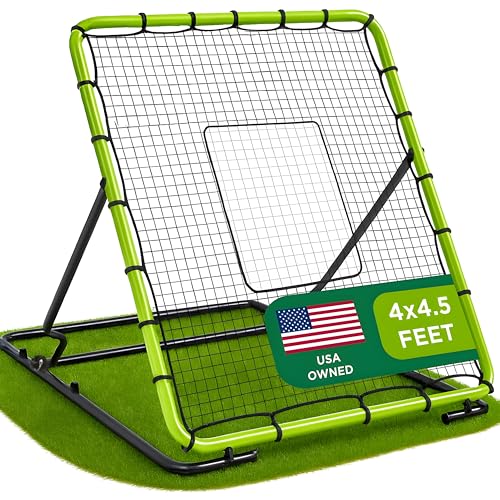
The ZivPlay rebounder provides a large practice area at 4 x 4.5 feet with three rebound angles to simulate grounders, straight-line catches, and high catches. Best for solo practice to build timing, footwork, and positioning. The bungee-connected net maintains elasticity even after many hits, ensuring long-term use without frequent replacements.
Who it’s best for: solo players aiming to improve reaction time and fielding mechanics. Why selected: broad practice area, stable rebound, and durable construction support varied drills. Caution: ensure secure anchoring when practicing on uneven surfaces to prevent tipping.
Franklin Sports Pitch Back Rebounder And Switch Hitter
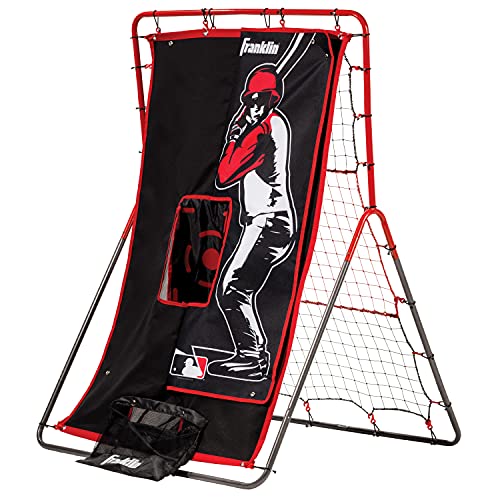
All-in-one training device combining a rebound net with a switch-hitter pitching target. This setup supports pitching accuracy, fielding, and catching practice, complemented by a target to mimic sending pitches to right and left-handed hitters. Best for players who want a combined training tool in one unit.
Who it’s best for: youth players seeking diverse drills without multiple devices. Why selected: integrated rebound and target design reduces equipment clutter. Caution: heavier frame may be less portable than lighter models.
GoSports 5×3 ft Pitch Back Rebounder

This rebounder offers a 5 x 3-foot area and a durable, powder-coated steel frame. It’s ideal for solo practice with or without a coach, returning balls to simulate grounders, line drives, and fly balls. The included stakes help stabilize the setup on grass or dirt, making it suitable for driveways and backyards.
Who it’s best for: players who want a sturdy, wind-resistant return system. Why selected: robust frame and stability features, plus field-ready dimensions. Caution: larger footprint may require more practice space.
SKLZ Fielding Trainer

The SKLZ Fielding Trainer uses three ball-return settings to emulate different fielding scenarios, including grounders, line drives, and fly balls. It features a 4 x 4.5-foot steel-framed design with UV and weather resistance for outdoor use. This model emphasizes improving timing, footwork, and positional play during seasons.
Who it’s best for: players striving to refine all-around fielding technique. Why selected: versatile return options with a foldable design for storage. Caution: assembly may take time; ensure correct tension for consistent returns.
ZEALFEEL Baseball Rebounder Net

The ZEALFEEL rebounder features three adjustable angles with two built-in targets for pitching accuracy and fielding training. The 4 x 4.5-foot frame uses a powder-coated steel structure and UV-resistant netting to withstand outdoor use. It includes four U-shaped stakes for grass or dirt stability and can be weighed down for driveway practice.
Who it’s best for: players needing adjustable returns and built-in targets. Why selected: versatile practice angles plus stability features for varied environments. Caution: heavier setup may require more storage space when not in use.
Buying Guide
Key considerations for choosing a pitch-back net:
- Practice goals: Grounders, line drives, or fly balls? Choose a model with the appropriate return settings.
- Size and space: Ensure the footprint fits your practice area and allows safe movement around the device.
- Durability: Look for weather-resistant nets and powder-coated steel frames for longevity.
- Stability: Models with stakes or ballast are better for windy or uneven surfaces.
- Portability: If you travel or use multiple spaces, prioritize lighter weight and easier setup.
- Maintenance: Netting quality and ease of replacement can affect long-term costs.
Frequently Asked Questions
- What is a pitch-back net used for?
It returns balls after a throw or hit, enabling solo practice of pitching, catching, and fielding.
- Which features matter most for beginners?
Durability, stable frame, and adjustable return angles to simulate varied drill scenarios.
- Are these nets suitable for outdoor use?
Yes, most models are designed for all-weather use, with UV-resistant nets and weatherproof frames.
- How do I set up a pitch-back net safely?
Secure stakes on grass or use weights, ensure a flat surface, and keep a clear area around the net during drills.
- Can these nets be used for softball as well as baseball?
Yes, most models support both baseball and softball practice and include targets or settings suitable for both.
- What maintenance helps extend life?
Regularly inspect for tears, replace damaged netting promptly, and store in a dry area when not in use.