Best Pitching Machines for Kids: Top Picks for Young Players
Answering the common search for kid-friendly pitching machines, these picks help young players practice batting, hand-eye coordination, and fielding. Each selected model suits different ages and skill levels—from beginners who need gentle feeds to older kids chasing faster pitches. The list below highlights five reliable options, with notes on who benefits most and any limitations to consider when choosing.
| Product | Best For | Key Benefit |
|---|---|---|
| Franklin MLB Superstar 4 in 1 Pitching Machine | Younger players and multi-skill practice | Adjustable angles for hitting, fielding, and practice variety |
| Franklin Sports Kids Pitching Machine (Plastic) | Beginner batters | Easy setup with adjustable speeds |
| YESMARKS Auto Baseball Pitching Machine | Portable practice kits | Includes bag, bat, and extra balls |
| Furlihong 388BH | Indoor/outdoor versatility | Three pitch angles and expandable ball track |
| Heater Sports Junior Pitching Machine | Backyard practice | Low-maintenance with adjustable speed |
Franklin MLB Superstar 4 in 1 Pitching Machine
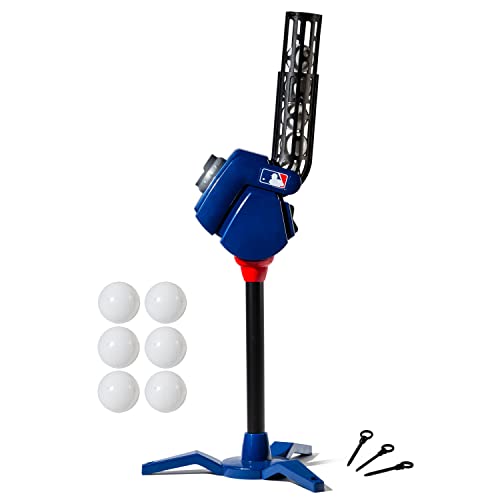
The Franklin MLB Superstar 4 in 1 Pitching Machine offers versatile training for young players. Best for kids who want to practice hitting and fielding in one session, thanks to adjustable launch angles that simulate soft-toss, grounders, and fly balls. This model emphasizes real-game readiness by enabling multiple skill drills in a single setup. A caveat is that it requires a suitable playing area and a bat or glove to complete the practice routine.
Who it’s best for: Younger players who want varied practice without switching machines. Ideal for families seeking a single, multi-use training tool.
Franklin Sports Kids Pitching Machine
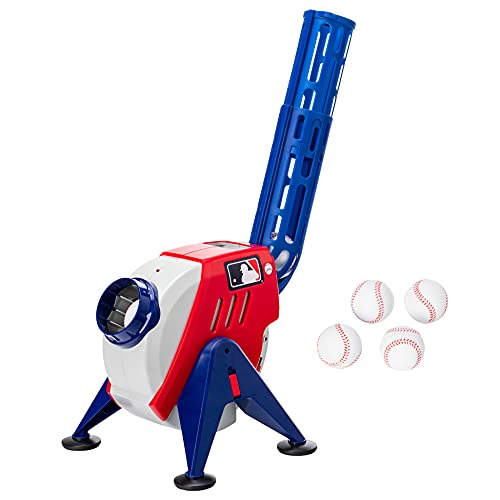
This model suits beginners who want predictable, paced releases. It offers adjustable speeds (10, 15, 20 mph) and three-angle adjustments, helping kids gradually tackle different pitches. The red release indicator helps them anticipate the ball, supporting better hand-eye coordination. A limitation is that the throwing consistency may vary with ball type and surface conditions, so use the recommended balls for best results.
Who it’s best for: Primary learners who need clear, simple speed settings and reliable angle options during early practice sessions.
YESMARKS Kids Auto Baseball Pitching Machine

The YESMARKS set is a portable training kit that includes a rocket-shaped auto pitching machine, 10 balls, a light plastic bat, and a deluxe bag. It runs on AA batteries (not included) and is designed for on-the-go practice. An extra bonus is the included carry bag, which makes it easy to transport to the park or a friend’s yard. A potential drawback is reliance on batteries for continuous use, which may require frequent replacements for longer sessions.
Who it’s best for: Families seeking a self-contained, travel-friendly batting practice system for quick sessions away from home.
Furlihong 388BH Baseball Pitching Machine

The Furlihong 388BH is designed for beginners with 9 training balls and expandable ball tracks. It offers three pitch angles and multiple power options (batteries, power bank, AC adapter), enabling use in varied locations. It is well-suited for players who want to extend practice without frequent interruptions. A limitation is that setup and power choices may require planning when outdoors without access to an outlet or power bank.
Who it’s best for: Beginners who need a flexible, portable option that can adapt to different spaces and power sources.
Heater Sports Junior Pitching Machine

The Heater Junior model provides a robust 1/4 horsepower motor and a 12-ball automatic feeder that delivers a ball every 10 seconds. With adjustable speeds from 15 to 48 mph, it supports growth from beginner to more advanced batting drills. It is best for backyard practice where continuous feeds matter. A limitation is that larger setups can be bulkier than compact outdoor kits, requiring more space.
Who it’s best for: Families prioritizing steady, hands-free batting practice in a backyard or driveway environment.
Buying Guide: What to Consider When Choosing a Kid’s Pitching Machine
- Skill Level: Match the machine’s speed range and angle options to your child’s current ability and the goals of practice (hitting, fielding, or both).
- Portability: If you’ll transport the device to parks or friends’ yards, consider weight, battery use, and included carrying bags or handles.
- Power Source: Look for machines with multiple power options (batteries, USB/power bank, AC adapter) to suit indoor and outdoor use.
- Speed and Angle Range: Wider speed settings and multiple angles enable progressive drills, from soft-tly pitched balls to more challenging fast pitches.
- Maintenance and Setup: Choose models with simple assembly and minimal maintenance so younger players can participate in setup and play.
- Accessories: Extra balls, bats, and bags add value. Check what’s included and what you’ll need to purchase separately.
- Durability: Plastic-bodied models are lightweight but may wear faster with frequent use. Consider the environment (indoor/outdoor) and storage options.
Frequently Asked Questions
- What age is best for a pitching machine?
Most kid-focused units are suitable for ages 5 and up, with adjustments for skill level and safety guidance.
- Do pitching machines require special balls?
Many use standard practice balls; some models come with their own training balls. Always use the recommended ball type for reliability.
- Is it better to choose a machine with adjustable speed or fixed speed?
Adjustable speed supports progression and diverse drills, making it suitable for growing players.
- Can these machines help with fielding practice?
Yes. Models with adjustable angles can simulate grounders and pop flies to train fielding mechanics.
- Are battery-powered machines as effective as electric ones?
Both can be effective; battery-powered options offer portability, while electric models may provide more consistent feeds where outlets are available.