Best Plates for Tactical Vest: Gallery of Top Options for Training and Gear
Answering the question “Which plates fit my tactical vest for training?” this guide highlights five reliable options. It covers steel and foam plates to suit different training needs, budgets, and comfort levels. The best choice depends on whether you need durable steel plates for heavy load-bearing workouts or lightweight EVA foam for safe airsoft and drill practice. Below is a quick buyer’s snapshot to help you compare at a glance.
| Product | Best For | Material | Weight Range |
|---|---|---|---|
| EVERYMATE Tactical Weighted Vest Plates (3.75/5.75/8.75/14.5/19.75LB) | Progressive strength training and running | Composite alloy steel | 3.75–19.75 lb |
| WOLF TACTICAL Curved Weight Vest Plates (5.75/8.75/14.5LB) | Ergonomic fit, versatile workouts | Steel, powder-coated | 5.75–14.5 lb |
| IDOGEAR EVA Foam SAPI Plates (2 pcs) | Airsoft, light training, plate carrier fill | EVA foam | Lightweight; approximate 200 g per plate |
| Outdoor drills, light protection | EVA foam | Two pieces included | |
| Rapid-on/rapid-off training sessions | 600D fabric with modular panels | Integrated weight context (vest-style system) |
EVERYMATE Tactical Weighted Vest Plates – 3.75/5.75/8.75/14.5/19.75LB

Best for: Progressive strength training enthusiasts who want scalable load options. These plates fit standard 10×12 inch vest systems and stay in place during dynamic movements such as burpees or sprints. A contoured fit helps reduce shifting and increases stability.
Why selected: The two-piece pack with multiple weight options supports gradual progression from beginner to advanced training. The plates are made from a composite alloy steel with rust-blocking coating to withstand outdoor use.
Limitations: While durable, higher weights may increase overall vest bulk, which can affect mobility for beginners. Ensure your vest’s internal dimensions match the 10×12 inch standard.
WOLF TACTICAL Weight Vest Plates – 5.75/8.75/14.5/19.75LB
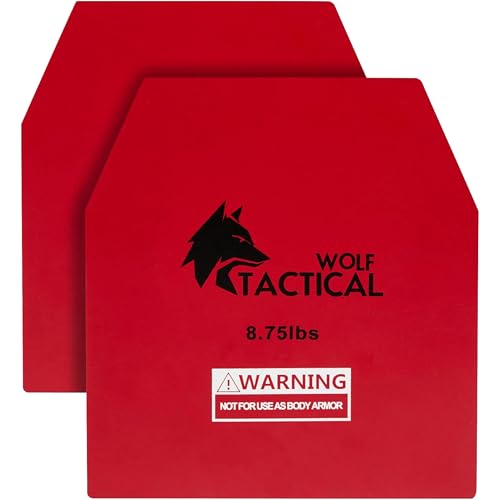
Best for: Trainers seeking a durable option with multiple weights to tailor resistance for running, rucking, push-ups, and pull-ups. The curved design helps lock plates closer to the body, reducing movement during workouts.
Why selected: The plates are durable and powder-coated to resist rust and sweat. A curved geometry provides a more secure fit compared to flat plates, which can shift during high-movement drills.
Limitations: For taller users or those preferring flat-profile plates, the curved shape might feel slightly bulkier in certain vests. Check vest compatibility with curved plates before purchase.
Takelablaze EVA Foam Shock Plate Set – 2 PCS

Best for: Light training, outdoor drills, and beginners who want protected inner liners without added weight.
Why selected: Made from EVA foam, these shock plates are lightweight and flexible, making them easy to carry and comfortable for extended wear. They mimic the look of SAPI plates without the burden of real armor.
Limitations: Foam plates are not designed for real ballistic protection; they are intended for training simulations, airsoft, and similar activities.
GFIRE Tactical Vest Quick Release Weighted Vest

Best for: Training environments that require fast on-and-off capability and ventilation. This vest emphasizes rapid deployment and modular access to pockets and panels.
Why selected: The design includes adjustable straps, a breathable 3D mesh, and MOLLE webbing for personalized attachments. It supports quick release while maintaining stability during movement.
Limitations: The product focuses on vest design and materials rather than detailing plate weight options, so users seeking heavier load progression should verify compatibility with insert plates if needed.
Buying Guide: Essentials For Selecting Plates For A Tactical Vest
- Plate type: Decide between steel plates for higher durability and simulated foam plates for safe training and light practice. Steel plates provide real resistance; foam plates offer comfort and safety for beginners or non-ballistic activities.
- Plate size: Most vests use a standard 10×12 inch layout. Confirm your vest model accepts this size to avoid shifting or fit issues during workouts.
- Weight range and progression: A multi-weight set allows gradual progression. Start with lighter weights and increase as strength and endurance improve.
- Fit and contour: Curved or contoured plates tend to fit closer to the body, reducing movement during dynamic actions. Flat plates may shift more with running or burpees.
- Durability and finish: Powder coating and rust-resistant coatings extend life in sweaty or outdoor environments. Composite alloys balance weight and strength for training use.
- Mounting compatibility: Ensure the plates stay secure in standard 10×12 inch pockets and won’t slip during high-intensity sequences.
- Intended activity: For airsoft or drill-focused sessions, foam or faux SAPI plates are appropriate. For heavier lifting or field workouts, steel plates may be preferred.
Frequently Asked Questions
- What weight should I start with in tactical vest plates? Start with a light configuration suitable for your current conditioning, then incrementally add weight as you become more comfortable with movement and form.
- Are foam plates safe for all training activities? Foam plates are designed for training, airsoft, and simulations, but they do not provide real ballistic protection and should not be used where ballistic protection is required.
- Will curved plates fit my vest? Curved plates fit most vests with standard pockets but verify your vest’s pocket shape and dimensions to ensure a secure fit.
- Can I mix plate brands in a single vest? Mixing may lead to uneven weight distribution or fit issues. It’s best to select a matched set designed for your vest model.
- How do I maintain steel plates? Wipe down after use, dry completely, and store in a dry place to prevent rust, especially in humid environments.
- Do I need plates if I already wear a weighted vest? If the vest includes integrated weight pockets or modules, add plates only if you need increased resistance and the vest supports insert plates.