Best Resistance Bands for Jumping: Improve Vertical Leap With Home Training
Jumping higher starts with purpose-built resistance bands that target leg power, coordination, and vertical explosiveness. This guide highlights five top options, explaining who each is best for, why they stand out, and any limitations. Ideal buyers include basketball players aiming to add height, volleyball players refining approach jumps, and general athletes seeking portable jump training gear for home gyms.
| Product | Brand | Best For |
|---|---|---|
| INNSTAR Vertical Jump Trainer (50 Lbs) | INNSTAR | Budget-friendly entry, versatile multi-sport training |
| INNSTAR Vertical Jump Trainer (90 Lbs) | INNSTAR | Heavier resistance for stronger athletes |
| WEWESALE Vertical Jumping Trainer | WEWESALE | Comprehensive package, all-in-one kit |
| YNXing Dynamic Resistance Trainer | YNXing | Explosive power and agility development |
| HOOPSKING Vertical Jump Resistance Bands | HOOPSKING | Progressive resistance with variety |
INNSTAR Vertical Jump Trainer — 50 Lbs
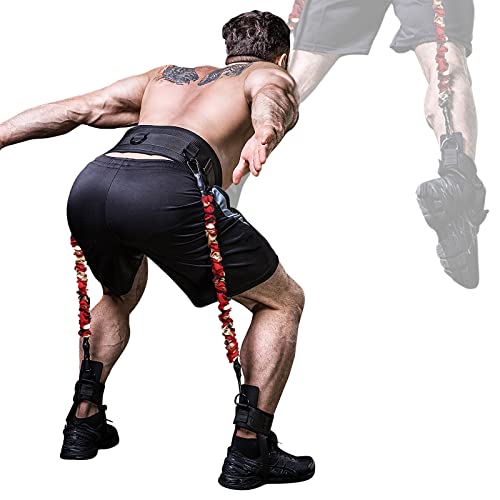
The 50-pound INNSTAR model focuses on a balanced resistance suitable for beginners to intermediate jump training. It supports multiple sports applications, including basketball, volleyball, and soccer. The waistband and adjustable setup are designed to fit a wide range of body types and lifting styles. This option is best for athletes who want a portable, easy-to-store trainer for warm-ups and progressive leg strength work.
Best for: beginners or athletes seeking a lightweight, versatile trainer for daily or weekly jump work. The setup emphasizes safety and ease of storage, reducing the risk of tripping over bulky equipment.
Limitation: lower resistance may require progression to more challenging bands for advanced jump training.
INNSTAR Vertical Jump Trainer — 90 Lbs

The Camouflage 90Lbs version provides higher resistance for stronger athletes or progressive overload training. It remains a portable option with a waistband system that supports various jumping sports. This model is best for players who seek greater leg drive power and a tougher conditioning stimulus.
Best for: more experienced jump trainers or athletes aiming to push through height plateaus. The higher resistance enables stronger hip- and knee-extension work.
Limitation: increased resistance can be demanding for beginners without proper warm-ups or technique guidance.
WEWESALE Vertical Jumping Trainer

This kit offers a complete training package with two waistband ankle straps, an adjustable belt, and extra resistance ropes. The high-quality latex build helps preserve rebound and jump performance, while the included carry bag supports transport to training sessions. It’s best for athletes who want a full, ready-to-use system without hunting for add-ons.
Best for: those who prefer a bundled solution with multiple components for versatile jumping drills. It supports sport-specific training for basketball, volleyball, and other jumping sports.
Caution: ensure proper fit and alignment to maximize safety and effectiveness during rapid movement drills.
YNXing Dynamic Resistance Trainer
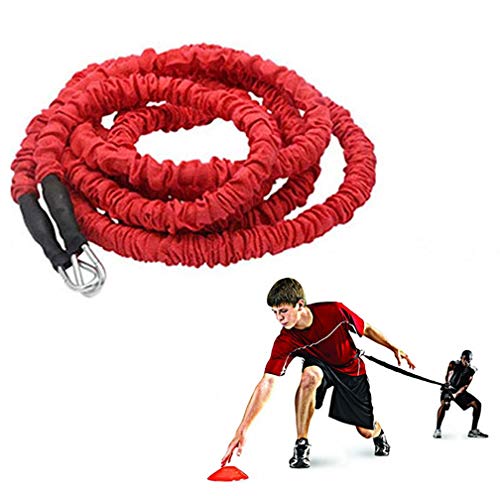
The YNXing trainer emphasizes explosive force and speed development, offering up to 80 pounds of resistance with a long original length and multiple extension options. It is flexible for runners, football players, CrossFit athletes, and basketball trainers seeking an all-around resistance tool that can challenge strength and agility in a single setup.
Best for: athletes seeking a mix of leg, core, and upper-body engagement with scalable resistance. It can be used to simulate sprint starts and dynamic leaping.
Limitation: longer setup and greater stretch may require space and careful anchoring during high-velocity drills.
OYINDIZ Vertical Jump Trainer Set

The OYINDIZ set focuses on leg power, balance, and dexterity, delivering a sturdy waist belt and natural latex resistance. It’s compatible with diverse sports training and includes components designed to improve leg strength, flexibility, and balance. This option is best for those seeking a well-rounded kit for leg-driven athletic performance.
Best for: athletes who want a reliable all-around jump training kit with emphasis on leg power and control. It supports volleyball, basketball, football, and tennis drills.
Caution: ensure the belt and straps fit securely to prevent sliding during intense jumping sequences.
HOOPSKING Vertical Jump Resistance Bands

HOOPSKING offers a five-band progression system to avoid plateaus in vertical training. The set emphasizes home-use convenience, enabling users to increase resistance as their jump height improves. It is best for athletes who want steady progression and compatibility with a variety of training routines at home.
Best for: jumpers who prefer a clear progression path with multiple resistance levels. Pair with bodyweight exercises to push through plateaus without extra equipment.
Limitation: some users may require additional accessories to maximize all movement patterns beyond standard vertical jumps.
Buying Guide: How to Choose The Best Jump-Training Bands
What resistance level do you need? Start with lighter bands to learn form, then progress to heavier options as power and technique improve. For beginners, models offering 50–60 lbs total resistance are often ideal, while advanced jumpers may require 80–125 lbs or more.
Do you need a complete kit or a single-band setup? Bundled kits provide a broader range of drills and easier transport, whereas single-band options can be lighter and simpler for quick workouts.
How important is portability and storage? If you train at home or travel, choose compact systems with a bag or easy-fold design to save space and prevent clutter.
What sport-specific needs do you have? Basketball and volleyball players may benefit from ankle straps and waist belts for anchored resistance, while general athletes may prefer multi-use bands for leg, core, and hip work.
Safety and fit considerations: ensure waist belts and ankle straps have secure buckles and cuffs, and follow proper warm-up routines to minimize the risk of strains during explosive movements.
FAQ
- What weight resistance should a beginner start with? Start with bands in the 20–50 lbs range and focus on form and technique before adding more resistance.
- Can resistance bands replace gym machines for jump training? They can supplement training and improve power, but may not fully replace all gym machines for every athlete.
- Are ankle bands safer than waist belts? Both are safe when correctly fitted; ankle bands provide targeted leg work, while waist belts distribute resistance around the hips for many drills.
- How often should I train with jump bands? Begin with 2–3 sessions per week, allowing adequate recovery between sessions to prevent overtraining.
- What drills maximize vertical jump improvements? Plyometric variations, resisted squat jumps, and sprint-to-jump sequences typically yield strong vertical gains when paired with proper technique.