Best Riser Handlebars for Mountain Bike: Find the Right Rise for Comfort and Control
Searching for the best riser handlebars for mountain biking? This guide highlights five top options that balance strength, comfort, and control. Each product is chosen for riders who want more upright positioning, reduced wrist fatigue, and improved leverage on rough trails. The top picks include versatile options for varying rise needs, from 50mm to 120mm, and stem-related alternatives for precise cockpit height tuning. A quick buyer’s table after the intro helps compare key specs at a glance.
| Product | Rise | Width | Clamp | Material |
|---|---|---|---|---|
| GEWAGE 31.8 Riser Bar (120mm) | 120 mm | 780 mm | 31.8 mm | 6061 Aluminum |
| BUCKLOS MTB Handlebars | 20/30/50/90/100/120/160 mm | 580/620/720/780 mm | 25.4/31.8 mm | 6061 Aluminum |
| GEWAGE 25.4 Riser Bar (50 mm Rise) | 50 mm | 620 mm | 25.4 mm | 6061 Aluminum |
| Groword Bike Stem Riser | Adjustable up to 150 mm | — | 31.8 mm | Alloy |
| GEWAGE 31.8 Riser Bar (90 mm) | 90 mm | 780 mm | 31.8 mm | 6061 Aluminum |
GEWAGE 31.8 Riser Bar — 120mm Rise (780mm Wide)

This 31.8 mm clamp diameter handlebar delivers a substantial 120 mm rise with a wide 780 mm width. Made from 6061 aluminum alloy, it aims to offer durability and a feel similar to carbon in chatter absorption. The geometry includes a 12-degree rearward sweep to align shoulder blades and reduce wrist fatigue. Best for riders seeking a tall cockpit for aggressive descents or all-day rides where upright posture is beneficial. A potential limitation is the wide width for tight trails.
Who it’s best for
- Riders needing a tall rise for steep climbs and big climbs with a relaxed upright stance.
- Downhill-focused riders who want more leverage and stability on rough sections.
Why this was selected
- High rise improves comfort on long rides.
- 6061 aluminum provides a balanced mix of strength and lightness.
Points to consider
- Very wide 780 mm width may require a bar-end cut or adjustments for narrower bikes.
- Compatibility with brake and shifter integration should be confirmed for your frame.
BUCKLOS Mountain Bike Handlebars — Multiple Rise Options

Available in several rise configurations (20/30/50/90/100/120/160 mm) and lengths, these handlebars are built from 6061 aluminum alloy with hard anodizing and CNC bending. Their 720/780 mm length options offer a versatile balance of control and aerodynamics. The ergonomic design and precise bending help deliver a comfortable riding position across all-mountain terrain. The larger rise models boost visibility and allow a more upright stance, while shorter rises suit tighter trails. A potential limitation is that very tall rises may need broader cockpit adjustments for smaller frames.
Who it’s best for
- Riders who want a customizable rise to dial in comfort for varying terrains.
- Riders who value precise handling from well-finished, CNC-bent bars.
Why this was selected
- Multiple rise options give flexibility for progressive riding goals.
- Solid aluminum construction provides robust performance on rough trails.
Points to consider
- Some riders may prefer lighter carbon or higher-end finishes if weight is a priority.
- Ensure compatibility with existing stem and brake/shifter setups.
GEWAGE 25.4 Riser Bar — 50 mm Rise

This 25.4 mm clamp bar provides a 50 mm rise with a 620 mm width, designed to yield a comfortable, neutral shoulder position and reduced wrist strain. The bar uses 6061 aluminum alloy and offers a 12-degree rearward sweep. Best for riders who want a modest rise for endurance riding or all-terrain trails without drastically changing bar width. A limitation is that the narrower clamp may not fit every brake lever arrangement, so verify compatibility with cockpit components.
Who it’s best for
- Riders seeking a balanced, moderate rise for everyday trail riding.
- Riders prioritizing a comfortable reach and stable steering in mixed terrains.
Why this was selected
- Moderate rise helps maintain natural posture across longer rides.
- Simple, robust construction suited for a wide range of mountain bikes.
Points to consider
- 620 mm width may feel narrower on very wide frames; consider personal cockpit space.
- Confirm clamp diameter compatibility with existing handlebars and stems.
Groword Stem Riser — Adjustable 150 mm, 31.8 mm
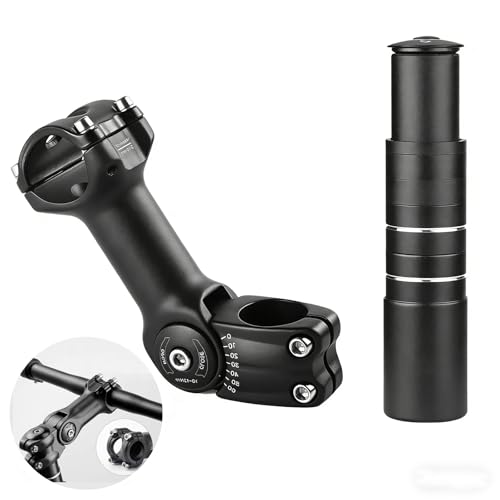
The Groword stem riser use is to adjust handlebar height and angle for a more comfortable riding position. It fits 28.6 mm fork diameters and 31.8 mm handlebar diameters, with a height adjustment range up to 150 mm and 120 degrees angle. This option is practical for riders who want to fine-tune cockpit height with a solid alloy build. A caution is to ensure the combined height increase does not interfere with leg clearance during pedaling or with fork travel on full-suspension frames.
Who it’s best for
- Riders needing a quick, adjustable cockpit height without replacing the entire bar setup.
- Bike setups that require precise angle changes for comfort on long climbs or sprint intervals.
Why this was selected
- Adjustable height and angle offer flexible tuning for varying riding styles.
- Solid alloy construction supports durable mounting on a wide range of frames.
Points to consider
- Assembly requires attention to torque specifications for safety.
- Check compatibility with your frame’s fork diameter and existing components.
GEWAGE 31.8 Riser Bar — 90mm Rise

This 90 mm rise variant shares the same 780 mm width and 31.8 mm clamp as the 120 mm model, with a slightly lower rise for riders who want substantial upright positioning without going fully tall. The 12-degree rearward sweep supports a neutral shoulder position and helps reduce wrist fatigue during long rides. Best for riders who want a defined, tall cockpit while maintaining a broad steering lever for technical terrain. A potential drawback is that very tall bars can reduce compatibility with certain frames or reach settings.
Who it’s best for
- Riders seeking a pronounced upright stance but not the maximum possible height.
- Riders prioritizing comfort on rough trails and lengthy outings.
Why this was selected
- Offers a balance between height and control for aggressive terrain.
- Common clamp size simplifies integration with many stems.
Points to consider
- Check steering clearance on especially compact frames.
- Ensure lever clearance with brake hoses and cables in your setup.
Buying Guide: Riser Handlebars For Mountain Bikes
What rise should I choose?
Choose a rise based on cockpit height goals and riding style. Higher rises (90–120 mm) help on long climbs and comfort for taller riders, while mid rises (50–70 mm) offer a balanced stance for all-mountain riding. Shorter rises (20–30 mm) are better for tight trails and precise handling on smaller frames.
What width is best for my bike?
Wider bars increase leverage and control on rough terrain but can hinder maneuverability in technical sections. Typical mountain bike bars range from 720 mm to 780 mm; consider trimming width if you frequently ride tight switchbacks or have a compact frame.
Clamp diameter and compatibility — why it matters
Most mountain bikes use 31.8 mm or 25.4/26 mm clamps. Confirm clamp diameter matches your existing stems and shifters. Poor compatibility can cause improper seating, steering oddities, or safety concerns.
Material and build quality
6061 aluminum bars deliver a durable, affordable option with good vibration dampening. Carbon bars are lighter and stiffer but typically cost more. Anodized finishes improve durability and corrosion resistance, especially in wet, muddy trails.
Ergonomics and geometry considerations
Look for bars with a slight rearward sweep (about 12 degrees) to promote shoulder alignment and reduce wrist strain. Consider bar width and rise in conjunction with your stem length to achieve a comfortable reach and natural cycling posture.
Assembly and safety tips
- Follow torque specs for clamping bolts to avoid bar failure or component damage.
- Check alignment, ensure cables and hoses have adequate slack, and test ride in a safe area after installation.
FAQ
- What is the benefit of a higher rise on a mountain bike bar?
Answer: A higher rise increases cockpit height, improving visibility and reducing back strain on long rides, especially on steep climbs or rough descents. - Can I cut a wide bar to fit my bike?
Answer: Yes, many wide handlebars can be trimmed for fit, but ensure you leave enough width for control and safety, and have a professional perform returns or adjustments if unsure. - Is a 31.8 mm clamp standard for most stems?
Answer: Yes, 31.8 mm is a common standard; always verify compatibility with your stem and brake/shifter levers. - Do riser bars affect steering feel on aggressive terrains?
Answer: Riser bars can provide more leverage and stability on rough terrain, helping you maintain control during jumps or drops. - What should I do if my bars are too wide for my frame?
Answer: Consider trimming the bar width or selecting a narrower model to improve handling and fit. - Are adjustable stem risers better than fixed bars?
Answer: Adjustable risers offer cockpit customization without replacing bars, but ensure compatibility with the frame and weight tolerance.