Best Rotator Cuff Brace for Sports: Top Picks for Pain Relief and Support
Answering the demand for reliable rotator cuff support, this guide highlights five effective sports braces designed to stabilize the shoulder, relieve pain, and accelerate recovery. These braces are best for athletes returning from injury, runners seeking lightweight support, weightlifters needing stable movement, and office workers managing daily shoulder strain. The following quick-reference table helps compare core benefits at a glance.
| Product | Best For | Key Benefit |
|---|---|---|
| Komoko Shoulder Brace (KMEIVOL) | All-round rotator cuff recovery | Durable neoprene, adjustable fit |
| Sparthos Shoulder Brace (Adjustable) | Moderate pain relief | Easy chest/arm strap adjustability |
| FIGHTECH Rotator Cuff Shoulder Brace | Active users with stress on joint | Medium to strong support |
| Lebilp Shoulder Brace | Hot/cold therapy integration | Breathable, versatile compression |
| Copper Compression Recovery Shoulder Brace | Post-injury stabilization | 4-way stretch, versatile wear |
Komoko Shoulder Brace, Rotator Cuff Support
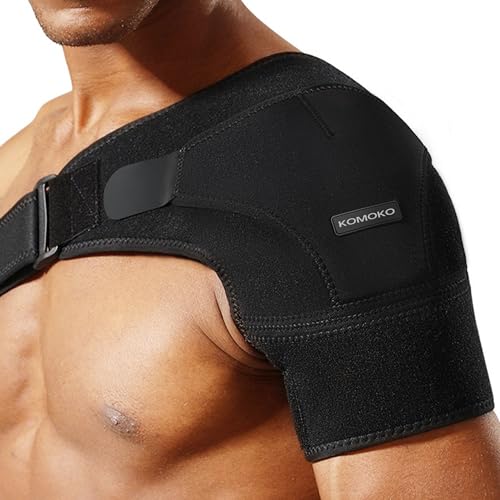
Best for: Athletes seeking rapid recovery with durable, reusable support. This brace emphasizes stability and protection against overextension, aiding rotator cuff injuries and AC joint discomfort while enabling ongoing activity. It’s suitable for running, lifting, and variety of sports where shoulder movement matters.
- Features: Speedy shoulder recovery through targeted support; durable neoprene construction with precision stitching; abrasion and tear resistance for long-lasting use.
- Limitations: May feel bulky for very light activities; users sensitive to neoprene should test for comfort.
Sparthos Shoulder Brace – Adjustable Support Sleeve
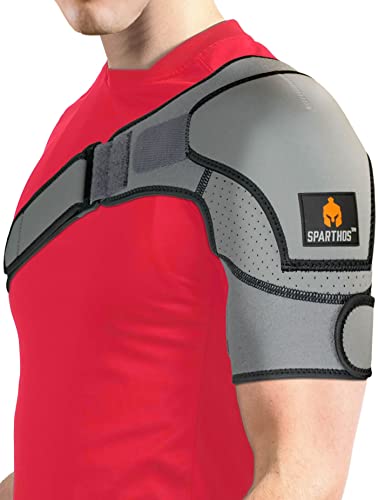
Best for: Individuals seeking a balance of stability and range of motion without heavy immobilization. This brace stabilizes the shoulder for mild to moderate pain and supports recovery from rotator cuff or AC joint issues while allowing daily activities.
- Features: Gentle compression, moderate stabilization; adjustable chest and arm straps with a hook-and-loop system for easy self-application.
- Limitations: Not designed for severe immobilization; may require caregiver assistance for some users during initial fitting.
FIGHTECH Rotator Cuff Shoulder Brace

Best for: Active users needing reliable stabilization to speed recovery from rotator cuff injuries and related conditions. The brace supports ongoing movement while reminding users to avoid overloading the shoulder.
- Features: Medium to strong support; versatile use as a separate brace, dislocation protection, or post-injury aid; suitable for sleeping and daytime wear.
- Limitations: Might feel restrictive during high-intensity workouts for some users; sizing is important for proper fit.
Lebilp Shoulder Brace with Adjustable Compression Sleeve
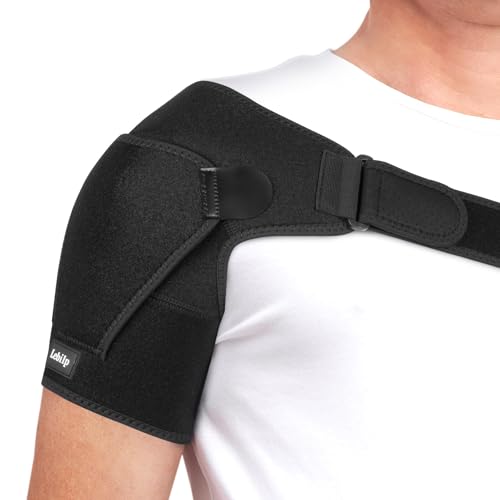
Best for: Individuals seeking hot/cold therapy compatibility and targeted compression for daily relief or post-injury recovery. The design aims to improve circulation and decrease inflammation while stabilizing the joint.
- Features: Adjustable compression sleeve; hot/cold pack compatibility; breathable construction for comfortable wear.
- Limitations: May require additional therapy accessories for optimal cold/heat integration.
Komoko Shoulder Brace with Ice Pack Insertion

Best for: Reviewers seeking layered relief with ice therapy integration. This brace supports recovery from rotator cuff injuries and helps manage inflammation during rehabilitation while maintaining mobility.
- Features: Speedy recovery design; robust neoprene with precise stitching; suitable for athletic and everyday use to boost mobility.
- Limitations: Ice pack insertion adds bulk; ensure proper placement to avoid discomfort.
Buying Guide: How To Choose The Right Rotator Cuff Brace For Sports
Key factors to evaluate include fit, level of support, and intended use. Consider the following questions to tailor choices to your needs.
What level of support do you need?
Brace stiffness ranges from light compression to firm stabilization. For mild strains, choose a sleeve with gentle pressure. For active reinjury prevention, pick a brace offering more substantial stabilization while preserving range of motion.
How should the brace fit?
Look for adjustable chest and arm straps, breathable materials, and seamless edges to reduce chafing. Proper sizing ensures effective stabilization without restricting blood flow.
Is heat or cold therapy important?
Some models accommodate hot or cold packs, which can aid inflammation control and healing. If you plan to alternate therapies, select a brace with sleeve-and-pack compatibility.
Can it be worn during activity?
Sports use demands movement without excessive bulk. Choose a low-profile design for running or weight training, or a more supportive brace for activities with higher shoulder load.
Is left and right compatibility important?
Many braces are designed to fit either shoulder. If you expect symmetrical use or shared equipment, verify universal or reversible fits to avoid mis-sizing.
Material and care considerations
Neoprene offers durability and shape retention but may irritate sensitive skin. Check washing instructions; look for abrasion resistance and ability to withstand regular cleaning after workouts.
FAQ
- What is a rotator cuff brace best used for?
It provides targeted compression, stabilization, and pain relief to support the shoulder during recovery and athletic activity.
- How do you know what size to buy?
- Can you wear these braces during sleep?
- Are these braces suitable for both left and right shoulders?
- Will wearing a brace slow down recovery?
- Should you consult a clinician before using a rotator cuff brace?
Refer to product size charts and measure your arm circumference and chest width where applicable. When in doubt, choose a brace with adjustable straps for a personalized fit.
Some designs permit sleeping wear, but check the product guidelines. If sleep comfort is critical, prioritize a low-profile, breathable brace with gentle support.
Many models are designed for either side, while some offer universal fits. Confirm compatibility in the product description before purchasing.
No, when used properly. A brace helps control movement to prevent overextension and supports healing when combined with medical advice and physical therapy.
Yes. A clinician can assess your injury, recommend a suitable support level, and advise on exercise and rehab plans.