Best Running Gear for Beginners: Essential Hydration, Belts, Vests and Accessories
For new runners, practical gear that stays comfortable and reliable makes a big difference. This guide highlights beginner-friendly gear that helps you stay hydrated, carry essentials, and run safely in varying conditions. The top picks below are best suited for entry-level runners seeking lightweight, breathable options with secure storage and visibleReflective features.
Summary of chosen products
| Product | Best For | Key Benefit |
|---|---|---|
| SWIFTVEST Running Vest | Runners needing hands-free hydration | Six pockets, waterproof phone pocket, reflective, breathable |
| AIKENDO Slim Running Belt | Minimalists who want light, snug carry | No bouncing, fits all phones, adjustable waist |
| MOKURA Running Vest | Longer runs with hydration needs | Lightweight, bounce-free, 500ml soft flask |
| MVRK Water Resistant Running Vest | All-weather training with durability | Water-resistant, multiple pockets, reflective detail |
| BAGAIL Weighted Vest | Newcomers adding intensity to workouts | Adjustable weight, secure pouch, reflective strips |
SWIFTVEST Hydration Vest For Runners
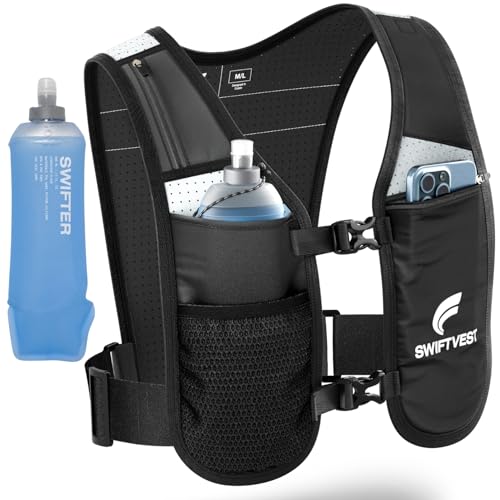
The SWIFTVEST vest is designed for runners who need secure, easy-access storage during activity. It features six pockets, including a waterproof front phone pouch that fits most smartphones. Best for beginners who want reliable organization without bulk and enhanced visibility from reflective details.
Best for: runners who want secure pockets, quick access, and weather-ready protection. Why chosen: six-pocket layout supports phones, gels, keys, and a hydration source while staying comfortable. Caution: waterproof front pocket is snug for very large phones.
AIKENDO Slim Running Belt
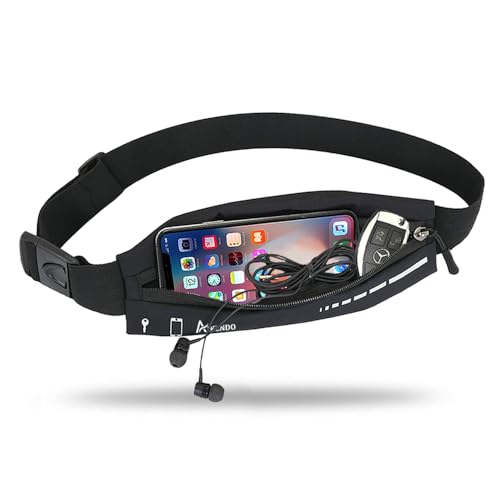
The AIKENDO belt is ideal for runners who prefer a low-profile carry. It stays in place with a no-bounce design and fits a wide range of phone sizes with expandable pockets. Best for: minimalist runners who want secure, lightweight storage without extra bulk. Why chosen: soft, comfortable material reduces chafing and movement. Caution: larger phones with bulky cases may be tight in some pockets.
U·LANARO Slim Running Belt

The U·LANARO belt offers a slim, comfortable fit with adjustable waist sizes and roomy pockets for everyday essentials. Best for: runners who want a light, flexible pack that stays put during activity. Why chosen: focuses on a low-profile design and secure fit. Caution: may require adjustment if you have a very small waist.
MVRK Water Resistant Running Vest Chest Pack
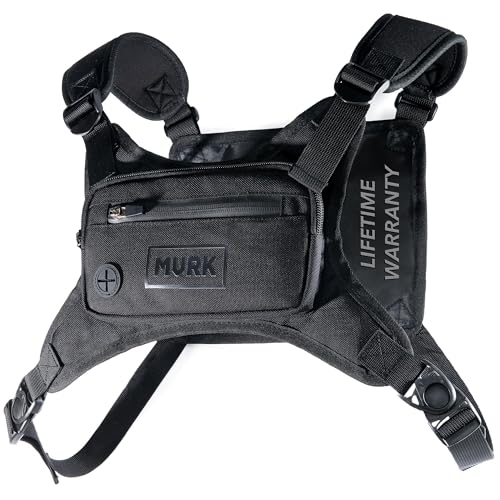
The MVRK chest pack emphasizes weather resistance and practical storage. It has a main pocket for a phone and wallet, an outer pocket for cards/keys, plus a back panel pocket with reflective print. Best for: runners who train in varied conditions and want durability. Why chosen: water-resistant Cordura nylon adds resilience. Caution: larger phones may not fit in the back pocket if using bulky cases.
MOKURA Lightweight Hydration Vest
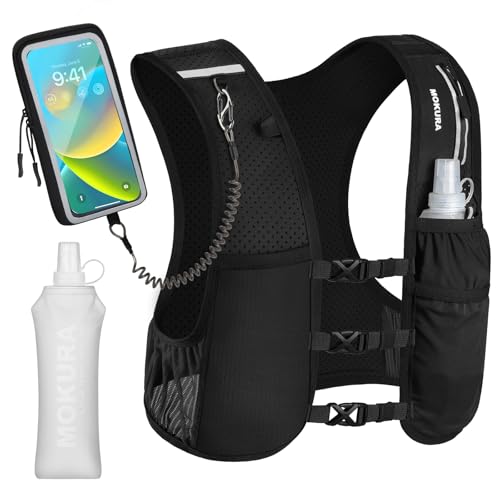
The MOKURA vest offers a lightweight, bounce-reducing design with a 500ml soft flask for on-the-go hydration. Best for: runners who value a cool, breathable fit on longer runs. Why chosen: soft bottle, stretch waist panels, and adjustable chest straps minimize movement. Caution: cap and bite valve require regular maintenance to prevent leaks.
Buying Guide: Key Considerations For Beginners
- Purpose and terrain: Choose hydration-focused vests for longer runs or unpredictable weather. Belts and slim vests work well for urban workouts with quick access to essentials.
- Fit and comfort: Look for adjustable straps, breathable materials, and anti-bounce features. A custom fit reduces chafing and fatigue over time.
- Storage needs: Six-pocket designs are great for phone, keys, and gels. If you carry only a phone, a slim belt may be enough and lighter.
- Visibility: Reflective details improve safety for dawn or dusk runs. This is especially important for beginners training at low-light hours.
- Weight and bulk: Lighter options help maintain natural running form. Heavier vests add resistance but may slow a new runner if not acclimated.
- Hydration strategy: Refillable bottles or hydration bladders should be easy to access without interrupting cadence.
- Durability vs. price: Durable materials last longer but may cost more upfront. For beginners, balance cost with expected usage.
Frequently Asked Questions
- Do I really need a running vest or belt as a beginner? Answer: It depends on your distance and storage needs. For short runs, a slim belt may be enough; for longer sessions, a vest with hydration and pockets can improve convenience and safety.
- What should I look for in a reflective or visibility feature? Answer: Reflective panels on both front and back, plus bright, high-contrast accents for early morning or late evening runs.
- Can a hydration vest cause bouncing? Answer: High-quality vests use compression straps and soft materials to minimize bounce, but some movement is normal during fast pace runs.
- Are waterproof pockets necessary? Answer: Waterproof pockets help protect phones and keys in wet weather, but ensure the pocket size fits your device.
- How do I choose the right waist size for a belt? Answer: Measure your waist at the level where you’ll wear the belt. Look for adjustable straps that cover a comfortable range.
- What is the best option for all-weather training? Answer: A water-resistant vest with reflective details, plus a lightweight design, balances protection and comfort across conditions.