Best Shoulder Brace for Sports: Top Picks for Pain Relief and Recovery
When choosing a shoulder brace for sports, look for a lightweight, breathable, and adjustable option that provides targeted support without restricting performance. The best picks below are designed for athletes and active individuals managing rotator cuff issues, AC joint pain, or general shoulder strains. Each product is described for who it’s best for, why it’s chosen, and a practical limitation to consider. See the summary table for quick comparisons next to the product details.
| Product | Best For | Key Benefit |
|---|---|---|
| Sparthos Shoulder Brace | Active users needing mobility | Stable yet flexible support |
| FIGHTECH Rotator Cuff Shoulder Brace | Rotator cuff injuries | Strong, targeted compression |
| Anaconda Fightwear Shoulder Brace | Contact athletes | 3D compression with gel pad |
| Copper Compression Recovery Shoulder Brace | Post-injury recovery | 4-way stretch and adjustable fit |
| General shoulder pain relief | Ice pad pocket for therapy |
Sparthos Shoulder Brace – Adjustable Support Sleeve
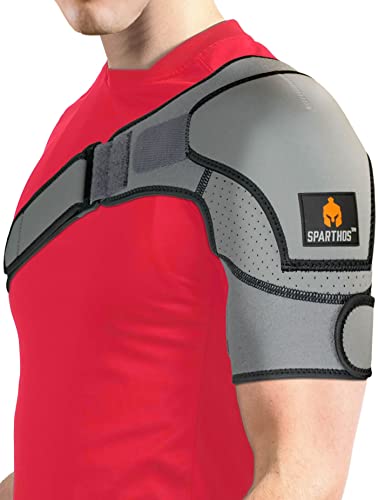
The Sparthos Shoulder Brace offers gentle compression and moderate stabilization, targeting mild to moderate shoulder pain from rotator cuff issues, AC joint discomfort, or strain. It is designed to stabilize without overly restricting movement, making it suitable for athletes who need to maintain range of motion during rehabilitation. The adjustable chest and arm straps use a hook-and-loop system for a personalized fit, promoting independence during wear. Best for active individuals who require mobility and ongoing stabilization during training.
Limitations to consider: This brace is not intended for severe immobilization or heavy lifting if pain is significant. It works best as a recovery aid rather than a replacement for medical guidance in serious injuries.
FIGHTECH Rotator Cuff Shoulder Brace

FIGHTECH provides medium to strong support to speed up recovery and protect the shoulder from further injury. This brace is designed to aid recovery from rotator cuff tears, bursitis, and other shoulder discomforts while functioning as a shoulder dislocation or separated shoulder brace as needed. It’s well-suited for active users who also require stabilization during sleep or steady post-injury routines. Choose this if you need consistent, targeted pressure to the shoulder joint and quick reminders not to overextend.
Limitations to consider: It is a stabilization aid, not a full immobilizer, so it may not be ideal for very acute injuries requiring strict immobilization.
Anaconda Fightwear Shoulder Brace (Large)

The Anaconda Shoulder Brace uses 3D compression with a detachable gel pad to absorb shocks during intense action. This extra padding is intended for athletes who face impacts and need enhanced stability without bulky gear. It molds to the shoulder to provide stable support while preserving mobility. Best for contact sports or intense training where a snug, adjustable fit and shock absorption matter.
Limitations to consider: The gel pad adds some bulk, which may affect precision in very thin-sleeved athletic tops or certain striking motions.
Lebilp Shoulder Brace With Adjustable Compression Sleeve
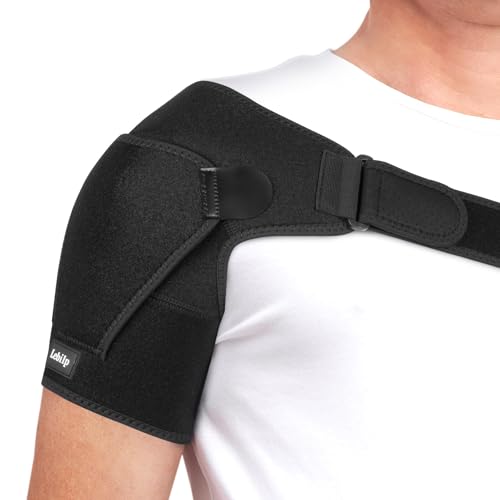
The Lebilp shoulder brace emphasizes firm yet comfortable support to alleviate daily shoulder pain and promote healing. It is compatible with hot or cold packs to accelerate recovery and reduce inflammation. The compression sleeve can improve circulation and speed up rehabilitation. Best for ongoing daily use or post-injury therapy where temperature therapy is beneficial. Suitable for adults seeking reliable, all-day wear during activities or rest.
Limitations to consider: The fit depends on arm size, so users with unusual dimensions should verify sizing options before purchase.
BraceUP Shoulder Brace With Ice Pad Pocket

BraceUP offers an adjustable design with a chest and biceps strap system to achieve a customized fit. It features an ice pad pocket for temperature therapy, enabling versatile pain management and faster recovery. This brace is a strong option for athletes who want a blend of stabilization and therapeutic cooling or heating in one sleeve. Best for users who value a simple but versatile brace with temperature options.
Limitations to consider: The pocket adds some bulk; ensure it fits comfortably under athletic wear and does not interfere with performance gear.
Buying Guide
What should you look for in a sports shoulder brace?
- Support level: Choose based on injury severity and activity. Mild strains benefit from gentle compression, while rotator cuff issues may need stronger, targeted support.
- Fit and adjustability: Look for adjustable chest and arm straps or cross-chest designs so the brace adapts to different body shapes and sizes.
- Mobility vs immobilization: Athletes typically need braces that stabilize without overly limiting range of motion. If immobilization is required, consult a clinician.
- Temperature management: Braces with hot/cold therapy pockets or gel padding help with inflammation and recovery but may affect bulk and flexibility.
- Material and breathability: Neoprene-based sleeves offer warmth and compression, but consider moisture-wicking fabrics for extended wear during workouts.
- Durability and care: Check stitching quality and washability; durable braces withstand frequent cleaning during training.
Frequently Asked Questions
- What shoulder brace is best for rotator cuff injuries?
– A brace with targeted compression and stable yet comfortable support, such as models designed specifically for rotator cuff protection, is typically recommended. - Can I wear a shoulder brace during exercise?
– Yes, most braces are designed for athletic activity, but choose one that preserves mobility and won’t slip during movements. - Do braces help with AC joint pain?
– Some braces provide adequate stabilization for AC joint discomfort, reducing strain during activity and aiding recovery. - How do I know which size to choose?
– Check sizing charts and measure your arm circumference as directed by the brand to ensure a secure, comfortable fit. - Should I use hot or cold therapy with a brace?
– Temperature therapy can aid recovery; use ice for acute inflammation and heat for stiffness or muscle soreness, depending on guidance from a healthcare professional. - Are there braces suitable for both left and right shoulders?
– Yes, many models are designed to fit either arm with adjustable straps, offering flexibility for both sides.