Best Sight for Recurve Bow: Top Picks for Precision Aiming
Looking for the best sight for a recurve bow? This guide highlights five practical options that balance durability, adjustability, and ease of use for target practice, hunting, and competition. Each pick is suitable for different archers—beginners can start with simple single-pin designs, while seasoned players may prefer multi-pin or adjustable systems for dynamic distances. The table below compares key aspects to help you choose quickly.
| Product | Best For | Why It Stands Out | Limitations |
|---|---|---|---|
| TOPOINT ARCHERY 3 Pin Bow Sight | All skill levels | Lightweight aluminum, universal compatibility, fast target acquisition | Fabricated for multiple bow types may require mounting tweaks |
| Upgraded SOOHUPET 6 Inch Bow Sight | Adjustable practice | Dovetail adjustments, smooth movement, stable mounting | Smaller 6″ extension may limit long-range use |
| KURUGEILI Archery Recurve Bow Sight Full Metal | Traditional recurve beginners | Premium metal construction, easy tool-free install | Single-pin design limits distance-specific settings |
| SOOHUPET 9 Inch Archery Recurve Bow Sight | Mid to advanced practice | Longer extension for fine elevation control, dovetail ease | May be bulkier for compact setups |
| ZSHJGJR Archery Recurve Bow Sight T Shape | Competition-style aiming | All CNC aluminum, quick adjustments, fiber pin | Single-pin may require precise distance estimation |
TOPOINT ARCHERY 3 Pin Bow Sight
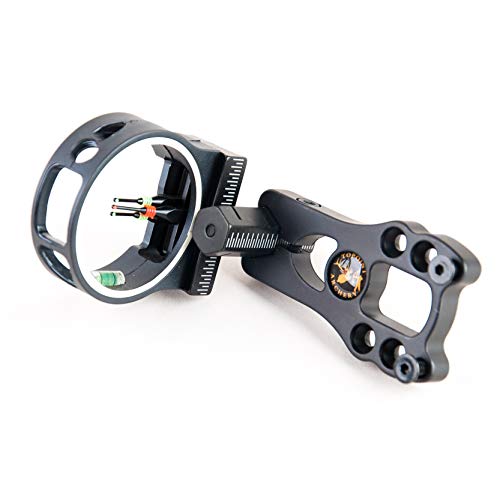
Best for: Archers seeking a universal, lightweight multi-pin sight compatible with compound, crossbow, and recurve setups. This sight uses a durable aluminum body and a compact weight, making it easy to mount without adding bulk. The 3-pin configuration supports quick targeting at multiple distances, which is beneficial for both beginners and more advanced shooters practicing range discipline.
Why selected: Its combination of light weight (0.16 kg) and sturdy aluminum design ensures consistent performance in practice sessions and competitions. The dual-handed compatibility adds flexibility for both left- and right-handed shooters.
Caution: Some users may need to verify compatibility with specific risers and mounting hardware on their bow model to ensure a secure fit.
Upgraded SOOHUPET 6 Inch Archery Recurve Bow Sight
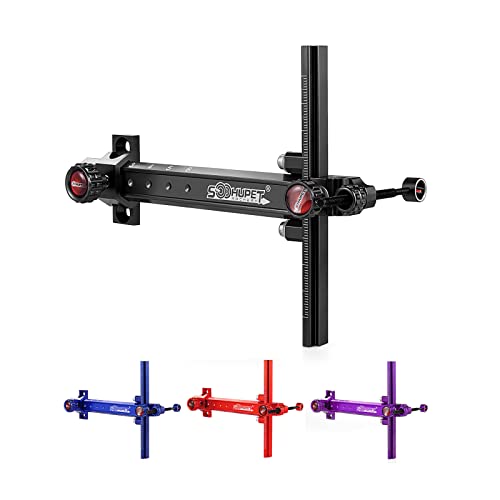
Best for: Shooters who want a stable, adjustable bowsight with smooth movement for quick elevation adjustments. The dovetail structure helps with precise alignment, and the mounting system reduces wobble for consistent aiming during quick target acquisition.
Why selected: The upgraded design focuses on minimizing play in the sliding arm bar, thanks to a spring steel column guiding system. It’s intended to be user-friendly while maintaining reliable performance for practice and targets.
Caution: The 6″ extension limits long-range play in windy or distant shots; consider a longer sight if you frequently shoot far at competitions.
Archery Recurve Bow Sight Full Metal Needle
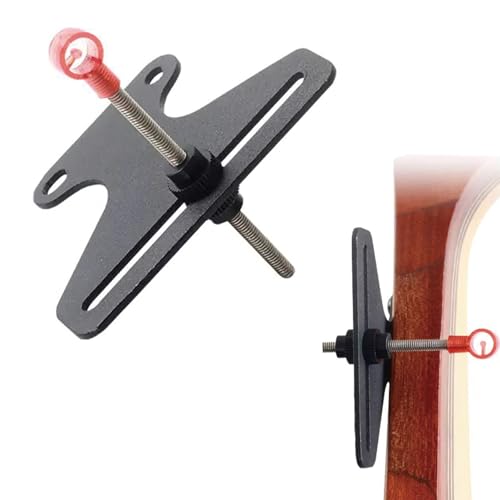
Best for: Beginners who want a robust, durable single-pin sight with straightforward setup. The CNC-machined metal construction emphasizes longevity and corrosion resistance across weather conditions.
Why selected: This sight prioritizes ease of installation and precise elevation tuning through a dedicated elevation screw, enabling quick changes in aiming point without tools. It’s a solid entry point for learning consistent sight alignment on traditional recurve bows.
Caution: Being a single-pin design, it requires accurate distance estimation or practice to optimize distance-specific adjustments.
SOOHUPET Archery Recurve Bow Sight T Shape (Blue)
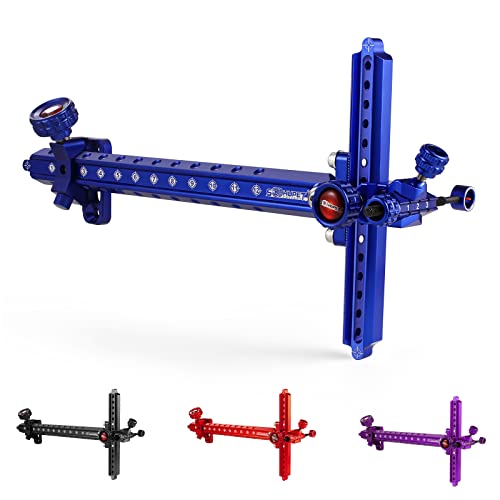
Best for: Archers seeking a T-shaped, easily adjustable sight with an optical fiber pin for clear aiming in variable lighting. The dovetail arm-bar structure supports straightforward height and position tweaks.
Why selected: The dovetail mounting and fast-adjustment features simplify setup for dynamic practice routines and quick target transitions. The fiber optic pin enhances visibility under diverse lighting conditions.
Caution: Some users may experience minor stiffness during initial adjustments until the mechanism settles with use.
ZSHJGJR Archery Recurve Bow Sight T Shape
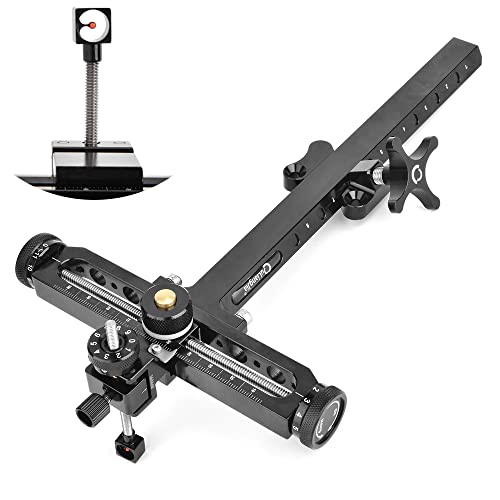
Best for: Competitive recurve shooters who want precision control with a lightweight CNC aluminum body and 9″ extension. Quick vertical adjustment and windage/elevation controls support rapid sighting adjustments for varying ranges.
Why selected: The single fiber optical pin and extended reach help maintain accuracy over longer distances, essential for Olympic-style training and competitions.
Caution: A single-pin setup may require careful distance judgment; consider a multi-pin option if you regularly shoot at many distances in quick succession.
Single Pin Archery Recurve Bow Sight
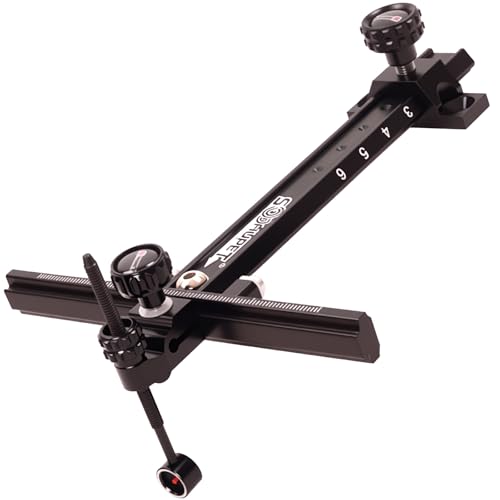
Best for: Archers who want a simple, adjustable single-pin sight for recurve bows with quick, tool-free installation. It accommodates both metal and wooden recurves.
Why selected: It emphasizes multi-range precision through a single adjustable pin, offering straightforward targeting for hunters and range shooters alike.
Caution: The single-pin design relies heavily on distance estimation; pairing with rangefinders or practice can improve effectiveness over time.
Buying Guide: Key Considerations When Choosing a Recurve Bow Sight
- Target distance range: Do you shoot primarily at close ranges or across varying distances? Multi-pin sights offer quick references at several distances, while single-pin sights require distance judgment or rangefinding.
- Mounting compatibility: Check your bow type (recurve, compound, or traditional) and riser config. Some sights are designed for universal mounting, while others fit specific setups.
- Material and durability: Aluminum bodies are common for weight savings and corrosion resistance; CNC-machined metal tends to maximize durability in challenging weather.
- Pin type and visibility: Fiber optic pins are easier to see in bright light; some shooters prefer illuminated pins for dusk or dawn practice.
- Adjustment mechanism: Dovetail or quick-release systems can affect how easily you re-site after changes in bow tuning or string height.
- Weight and balance: Heavier sights can shift bow balance; lightweight options reduce added weight, helping handling and aiming stability.
- Ease of installation: Tool-free designs speed setup, but some archers value precise, screw-based adjustments for micro-tuning.
- Intended use: Target practice, hunting, or competition may steer you toward different configurations (e.g., longer reach, windage adjustments, or single vs. multi-pin).
Frequently Asked Questions
- What is a single-pin sight best for? It’s best for archers who prefer fast, direct aiming and are accurate at a consistent distance without needing to adjust pins for various ranges.
- Are multi-pin sights better for beginners? They can be, providing quick distance references across several ranges; however, learning to estimate distances remains important.
- Is fiber optic pin visibility affected by weather? Fiber pins are generally bright in daylight, but low light performance may vary; illuminated pins or larger pins can help in poor lighting.
- Can I mount a sight designed for compounds on a recurve? Some sights are universal, but many are designed for specific bow types; check the mounting system and riser compatibility before purchasing.
- Do I need tools to adjust elevation and windage? Many sights offer tool-free adjustments, while some rely on small screw-based mechanisms requiring a screwdriver or hex key for precision tuning.
- How important is the sight’s weight? Lighter sights reduce overall bow weight and can improve balance, especially for extended target practice; heavier sights may enhance stability for some users.