Best Skateboards for 3 Year Olds: Safe, Beginner Friendly Picks
Seeking age-appropriate, beginner-friendly skate options for a 3-year-old? This guide highlights top picks that balance safety, simplicity, and fun for toddlers and early learners. Each option is chosen for suitability for small riders, ease of use, and beginner safety. The list includes compact boards, protective gear, and accessories that help young children enjoy rolling activities while staying protected.
| Product | Best For | Why It Stands Out |
|---|---|---|
| SKITCH Complete Skateboard for Kids (4-6) + Gift Set | Young beginners transitioning to riding | Lightweight, adjustable speeds, includes carry bag and tool |
| BANWOOD Skateboard (Red) | Short, easy-to-handle boards | Sturdy 8-ply Canadian maple, compact 20.4″ x 6.69″ |
| BOSONER Kids/Youth Knee & Elbow Pads Set | Protective gear for new riders | Full protection with adjustable straps and ventilated padding |
| Bienbee Toddler Helmet | Head protection for toddlers | ABS shell with thick EPS, adjustable for growth |
| DaCool Kids Bike Helmet & Knee Pads Set | All-in-one protective gear | Adjustable helmet, breathable pads, suitable for multiple activities |
SKITCH Complete Skateboard for Kids Ages 4-6 Year Old Beginners

- Best for beginners and kids who want a controlled, slower learning speed in beginner mode, with option to unlock more speed as skills improve.
- Includes a custom-designed backpack and tote, a skate tool, and a video course for guided learning.
- Why chosen: The set emphasizes safety features and an unboxing experience that keeps kids engaged while learning balance and coordination.
Best for: Parents who want a full beginner package that grows with their child, from learning to ride to more advanced cruising.
Caution: The 22-inch deck is designed for younger riders; ensure the rider can stand comfortably with proper supervision and safety gear.
BANWOOD Skateboard (Red)

- Best for: Short, easily manageable boards for tiny riders who are ready to try a stand-and-glide motion.
- Material and construction: Canadian maple deck with soft transparent grip tape and sturdy 8-ply fabrication.
- Why chosen: Compact size (about 20.4″ x 6.69″) helps younger riders maintain balance and control on small wheels.
Limitations: This skateboard is compact but may require practice with a parent or guardian to ensure steady starts and stops for really young riders.
BOSONER Kids/Youth Knee Pads Elbow Pads Wrist Guards Set
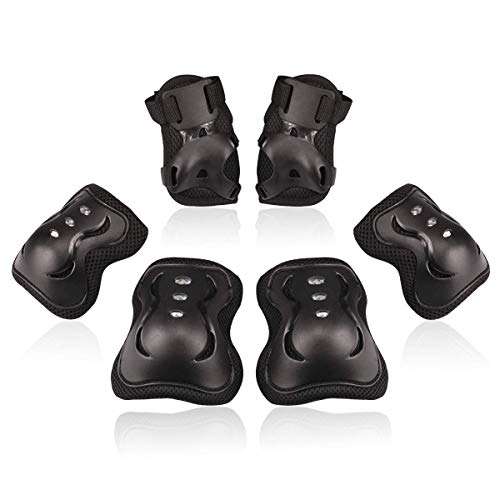
- Best for: Young riders needing full-body protection as they begin skating or riding bikes and scooters.
- Protection features: EVA foam padding with polycarbonate caps and adjustable elastic straps for secure fit.
- Why chosen: Ventilated pads help prevent overheating and perspiration during playtime and practice sessions.
Limitation: Set should be properly sized for the child to ensure pads stay in place during activities.
Bienbee Toddler Helmet

- Best for: Growth-friendly head protection for toddlers across multiple activities like skating, biking, and scooters.
- Construction: ABS shell with thick EPS foam design for impact absorption and a secure fit with adjustable sizing.
- Why chosen: Adjustable sizing ensures the same helmet can follow a child as they grow, reducing the need for frequent replacements.
Limitation: One size may not fit all toddlers; verify fit with strap placement and “finger space” around the temples for safety.
DaCool Kids Bike Helmet & Knee Pads Set
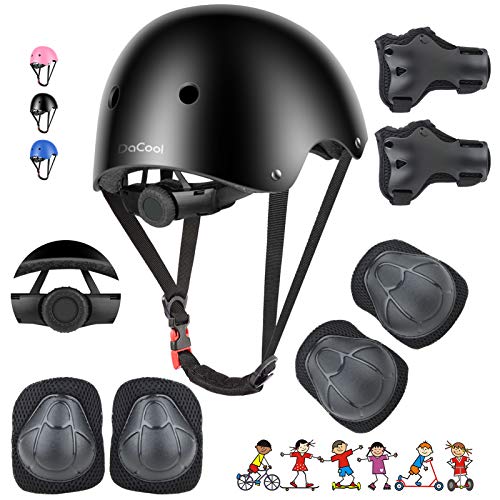
- Best for: All-in-one protective gear suitable for a variety of gentle rolling activities and sports for young children.
- Gear details: Adjustable helmet, knee pads, and elbow pads with breathable materials for comfort during play.
- Why chosen: Comprehensive protection makes it easier for parents to equip children quickly before outdoor sessions.
Limitation: If the helmet or pads do not fit securely, consider a different size or model to ensure maximum protection during falls or slips.
Buying Guide
Key considerations when choosing skate-related gear for a 3-year-old:
- Size and weight: Look for compact boards with lighter weight and adjustable features to accommodate growing kids.
- Safety gear: Invest in a helmet with adjustable sizing and a full protective set (knee, elbow pads, wrist guards) to minimize injury risk during early attempts at balance and movement.
- Balance support: Choose boards with easy-to-control wheels and a low deck height to help early learners feel steady and confident.
- Grow-with-you design: Some products offer modes or features that scale with skill level, reducing the need for frequent replacements.
- Usage environment: Consider outdoor areas with smooth pavement or sidewalks to reduce falls and improve balance practice.
- Maintenance: Ensure parts like wheels, bearings, and straps can be easily inspected and adjusted, especially for younger children.
Practical tips: Supervise toddlers during riding sessions and introduce short practice intervals with frequent rests. Start with gentle pushes and steadying holds to build confidence before attempting independent riding.
FAQ
- What age is best for starting a skateboard?
For most toddlers, age 3–4 is a starting point when under close supervision and using protective gear. - Do young kids need protective gear?
Yes. A well-fitted helmet, knee pads, elbow pads, and wrist guards are essential for safety during early practice. - Should the board be small or large for a 3-year-old?
Smaller, lighter boards are easier to control and help balance, reducing the risk of falls. - Can toddlers learn on a scooter instead?
Yes. Scooters can be a good alternative to help build balance and coordination before transitioning to a board. - What features improve learning safety?
Low deck height, soft and grippy surface, and adjustable speed or smooth bearings can improve stability and confidence. - Is it okay to mix gear from different brands?
Yes, as long as sizing, fit, and safety standards are appropriate; verify straps and padding closely match the child’s measurements.