Best Small Backpacks for Running: Light, Low-Profile Options for Every Athlete
Find the best small backpack for running designed to stay secure, breathable, and unobtrusive while you move. This guide highlights compact packs ideal for runners who want hydration, on-the-go storage, and a low profile. The top picks cover all-around versatility, from ultralight hydration vests to bare-bones phone holders. Ideal buyers include minimalist runners, trail enthusiasts who need light gear, and commuters who want a secure pack without bulk.
| Product | Brand | Best For |
|---|---|---|
| Lightweight Hydration Backpack, 2L | N NEVO RHINO | Long runs, hydration-focused workouts |
| Gear Beast Running Backpack | Gear Beast | Phone and small essentials on the go |
| MVRK Water Resistant Running Vest | MVRK | All-weather training with storage |
| INOXTO Running Hydration Vest | IX INOXTO | Ultra-lightweight, comfortable for long sessions |
| Osprey Daylite Cinch Backpack | Osprey | Everyday carry with reliable fit |
Lightweight Hydration Backpack, 2L Water Bladder

This ultralight hydration pack weighs roughly 8.5 ounces and includes a 2-liter bladder. It uses waterproof, tear-resistant PU-coated nylon and BPA-free PEVA materials to handle outdoor activities. Best for runners who want lightweight hydration with comfortable airflow. Consider this if you prioritize a low weight and a secure, leakproof water system. A potential limitation is capacity suited for shorter workouts rather than long days on trail.
Why it’s chosen: It combines a compact frame with an adjustable harness system and breathable back panel, helping you stay cool during intense runs. The 2 L bladder is designed to prevent drips when locked, making it a reliable hydration option for fast-paced sessions.
Gear Beast Running Backpack for Men and Women
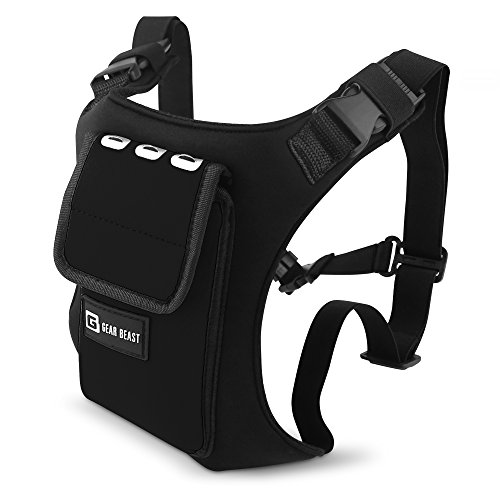
Designed as a lightweight running vest with a dedicated phone holder and multiple pockets, this pack aims to reduce bounce during activity. It uses water-resistant neoprene with padded mesh wings for comfort. Best for runners who want secure, bounce-free phone storage and quick access to essentials. A limitation to note is that it emphasizes storage for small items over large gear, so not ideal for long trail backpacks.
Why it’s chosen: The pack prioritizes a snug, low-profile feel while keeping items accessible. Its adjustable shoulder straps help tailor the fit for different torso lengths, making it suitable for varied workouts.
MVRK Water Resistant Running Vest Chest Pack
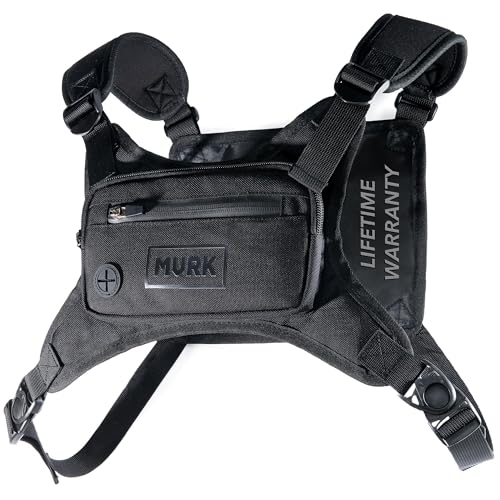
This minimalist chest pack emphasizes water resistance and secure storage with a main pocket for a phone or wallet and additional pockets for cards and keys. It features a reflective detail for higher visibility during night runs. Best for runners who need a compact, weather-ready option with multiple small pockets. Consider this if you want reliable rain protection and reflective accents; it may feel tight for larger items.
Why it’s chosen: The durable Cordura nylon construction provides extra strength for outdoor training, while the slim design minimizes bulk and keeps weight down. The reflective elements boost safety in low-light conditions.
INOXTO Running Hydration Vest Backpack

This lightweight vest carries a 1.5-liter bladder, offering ergonomic fit and ventilated back airflow. It includes pockets for small essentials and adjustable hip belt and shoulder straps to fit different torsos. Best for runners who want an ultra-lightweight option with breathable comfort and practical storage. A potential limitation is the compact capacity, which may not suit longer endurance sessions without refills.
Why it’s chosen: The design emphasizes airflow and back stability, helping keep you cool on hot days. The vest approach reduces bounce and distributes weight evenly across the torso, which is beneficial for longer runs when comfort matters most.
Osprey Daylite Cinch Backpack

This compact daypack offers dual side compression straps, an internal reservoir sleeve, and a harness grab handle that doubles as a luggage pass-thru. Best for runners who want a trusted brand with a simple, versatile layout for short runs or daily errands. A caveat is that it may feel larger than purpose-built minimalist running vests, impacting wind resistance on certain sprints.
Buying Guide: Key Considerations For Small Running Backpacks
- Hydration capacity and access: Choose between 1.5–2 L bladders depending on run length and climate. Look for leakproof connections and easy bite valves.
- Fit and adjustability: Prioritize packs with adjustable shoulder, chest, and hip straps to minimize bounce and maximize comfort on varying torso lengths.
- Material and weather resistance: Water-resistant fabrics and durable zippers help protect contents during rain or sweat-drenched sessions.
- Storage layout: Decide between minimalist pockets for phone and keys or more compartments for gels, energy bars, and travel essentials.
- Ventilation and comfort: Air mesh backs and vented panels reduce heat buildup. Consider how back padding and strap design affect breathability.
- Reflectivity and safety: Night running benefits from reflective details and high-visibility accents on the pack.
- Weight and bulk: Ultralight designs minimize drag and fatigue over long distances. Heavier packs may offer more storage but reduce speed.
- Intended use: Endurance runs, trail adventures, or daily commutes require different balance between hydration, storage, and accessibility.
Frequently Asked Questions
- What size running backpack should I choose?
– For short runs, a compact vest or 1.5–2 L hydration pack is usually sufficient. For longer endurance sessions, look for larger capacity with extra pockets. - Is a hydration bladder necessary for running?
– It’s convenient for staying hydrated without stopping, but if you don’t want a bladder, a lightweight handheld bottle or pocket water bottles can work instead. - Will a vest fit under a running jacket?
– Yes, many vests are designed to be low-profile and layering-friendly, but check the pack’s silhouette and shoulder/hip strap bulk. - How do I prevent chafing with a running backpack?
– Ensure proper strap adjustment, use moisture-wicking fabrics, and consider packs with breathable back panels. - Are reflective packs safer for night runs?
– Yes, reflective accents enhance visibility to pedestrians and motorists in low-light conditions. - Can I use these packs for other activities?
– Most are versatile for cycling, hiking, and travel, but evaluate the balance between hydration and storage needs for each activity.